Elon Musk’s Shocking New Promise to Washington: Is It Another Vaporware Illusion?
In a dramatic turn of events that has sent shockwaves through the tech and automotive worlds, Tesla has quietly dropped a bombshell in Washington, D.C. A top policy advisor for the trillion-dollar EV giant told lawmakers that the company is actively building a revolutionary, purpose-built, wheelchair-accessible autonomous vehicle. The announcement has ignited a frenzy of speculation, leaving critics and fanboys alike asking: Is this the future of transportation, or is Elon Musk pulling off yet another massive PR stunt to manipulate the stock market?
For years, advocates for the disabled community have begged the autonomous vehicle industry to consider accessibility from the ground up. Most self-driving prototypes, including those from rivals like Waymo and Cruise, are modified consumer SUVs that require expensive, aftermarket retrofitting to accommodate wheelchairs. Now, Tesla claims to be addressing this head-on with a dedicated ‘active product.’ But as the dust settles on this Washington briefing, the terrifying truth is starting to emerge—there are absolutely no details, no timelines, and no physical vehicles to show for it.
The Mystery of the Missing Blueprint: What Is Tesla Actually Hiding?
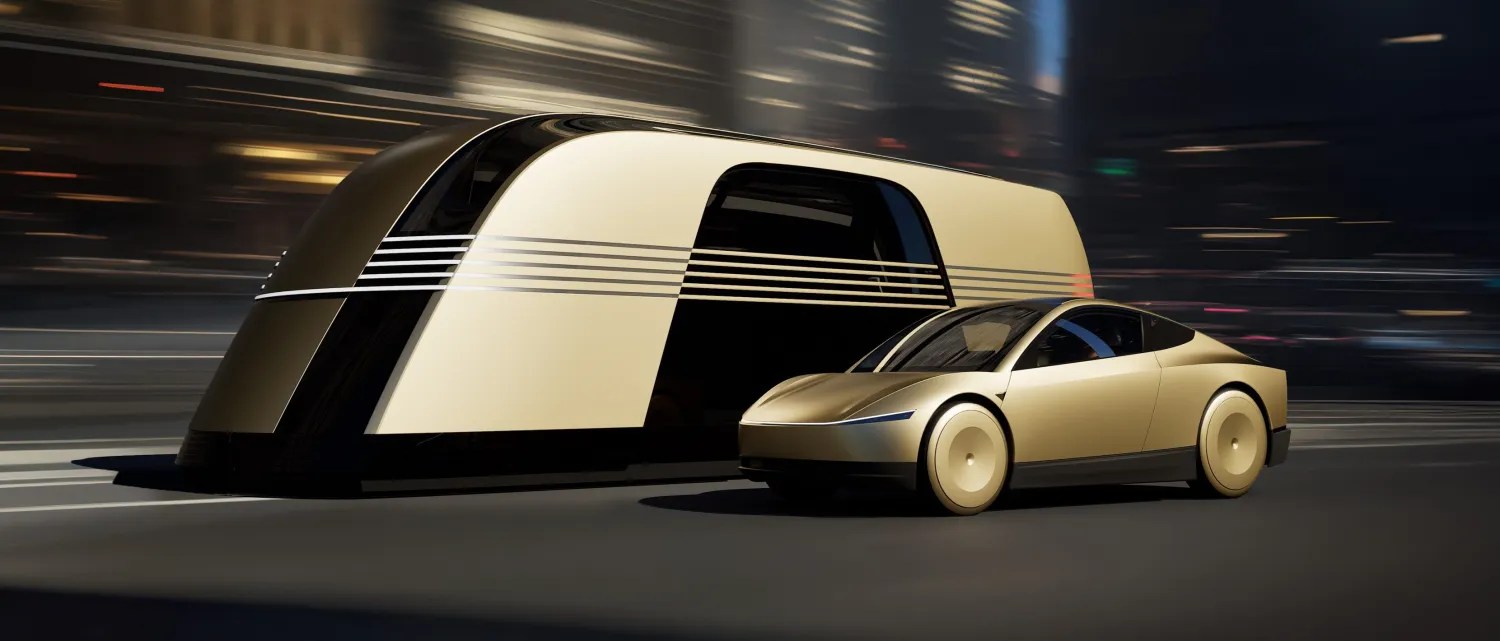
During the closed-door discussions with lawmakers, Tesla’s representative boasted about this groundbreaking project but conveniently left out every single piece of crucial information. There was no reveal event, no glossy render, and no concrete delivery date. This classic Tesla strategy of promising the moon and delivering a cardboard cutout has left industry experts deeply skeptical. Is this ‘active product’ truly a brand-new vehicle, or is it merely a rehash of the infamous Tesla Robovan that Elon Musk unveiled nearly two years ago to a chorus of mixed reviews?
The Robovan, which made its dazzling debut alongside the Cybercab, was promised as a high-capacity autonomous transport. Its futuristic, toaster-like design looked right out of a cyberpunk movie. However, in the twenty-four months since its spectacular unveiling, Tesla has remained virtually silent on its production status. Many fear that this newly announced ‘wheelchair-accessible’ miracle is nothing more than a desperate attempt to rebrand the stagnant Robovan project to appease government regulators who are growing increasingly hostile toward Tesla’s Full Self-Driving (FSD) software safety record.
A Pattern of Broken Promises and Stock Market Manipulation?
To understand the skepticism, one must look at Tesla’s track record of vaporware. From the second-generation Tesla Roadster promised in 2017 to the Cybertruck’s years-long delay and eventual watered-down release, Elon Musk has mastered the art of selling the future to fund the present. Every time Tesla faces regulatory scrutiny or a dip in sales, a dazzling new ‘active product’ suddenly appears on the horizon to capture headlines and pump investor confidence.
Washington lawmakers are reportedly demanding concrete proof that this wheelchair-accessible autonomous vehicle is more than just a PowerPoint slide. The disabled community deserves real solutions, not empty corporate buzzwords designed to win political favor. If Tesla fails to deliver on this promise, the backlash could be catastrophic, potentially triggering a massive regulatory crackdown on all autonomous vehicle testing across the United States. Only time will tell if this mystery vehicle will ever see the light of day, or if it will join the graveyard of forgotten Tesla promises.