Inside the Secret Tesla Samsung AI5 Chip Alliance
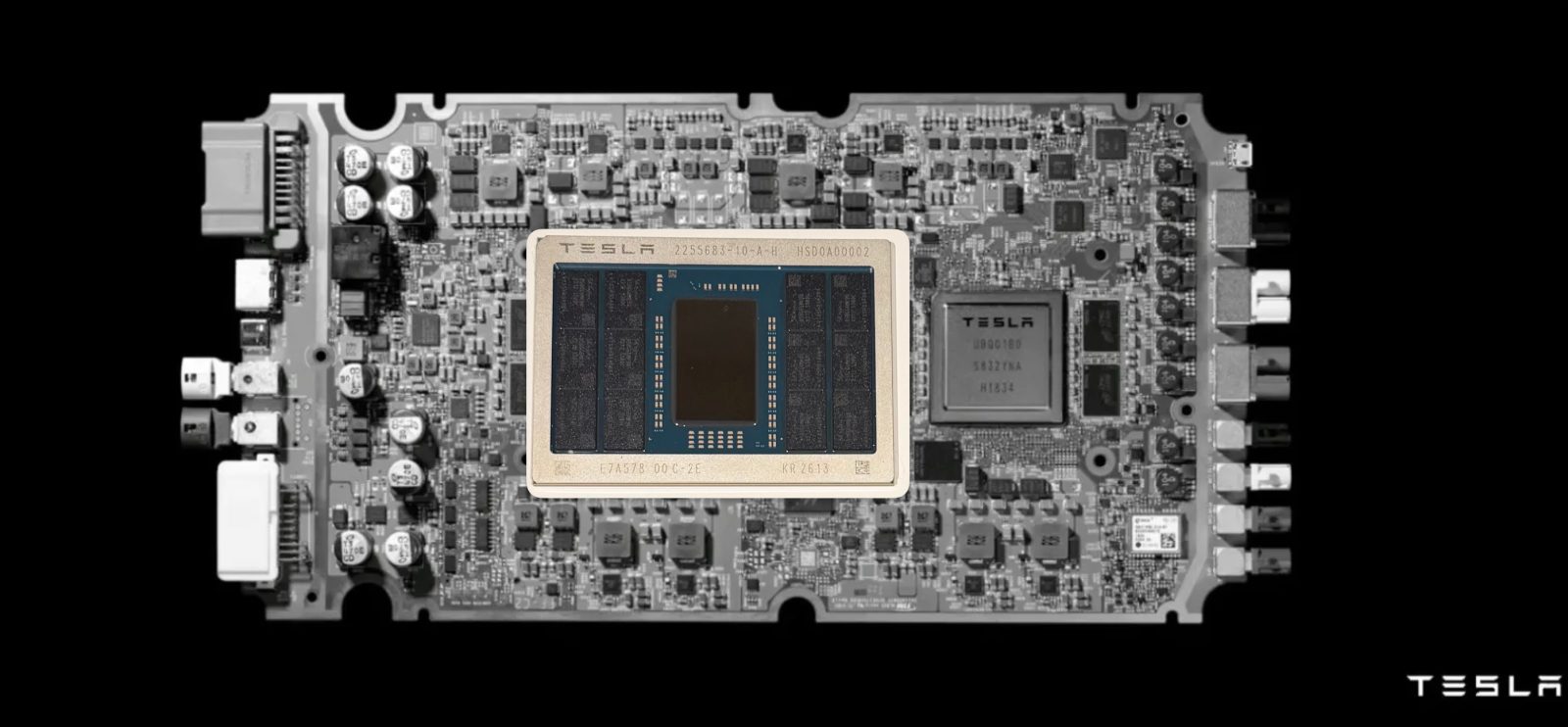
The global race for autonomous driving dominance just took a shocking, quantum leap forward. In a move that has sent shockwaves through the semiconductor industry, tech giant Samsung has quietly completed its own specialized version of Tesla’s highly anticipated AI5 self-driving chip. But that is not even the most mind-blowing part of this story. Industry insiders have revealed that Samsung is currently preparing to fire up production for this hardware beast at its state-of-the-art foundry in Taylor, Texas, leveraging its ultra-advanced 2-nanometer (2nm) manufacturing process. This unexpected alliance marks a massive turning point in the war for self-driving supremacy, signaling a future where cars think faster than humanly possible.
For months, rumors have swirled about where Elon Musk would turn to manufacture the next generation of Full Self-Driving (FSD) hardware. While many assumed Taiwan’s TSMC would lock down the entirety of Tesla’s business, Samsung has pulled off an incredible upset. By securing the production rights for the Tesla AI5 chip on a 2nm node, Samsung has positioned its Taylor, Texas facility as the epicenter of next-generation automotive artificial intelligence.
The shift to 2nm represents an unprecedented technological leap. Originally, industry analysts and hardware enthusiasts expected Tesla to reserve the microscopic 2nm process for its subsequent AI6 chip. Breaking all expectations, the Tesla AI5 chip will debut with this cutting-edge node, promising massive efficiency gains, reduced thermal output, and computing speeds that will leave traditional automotive chips looking like ancient calculators.
Why the 2nm Node Changes Everything for Full Self-Driving
To understand why this is a massive deal, we have to look at the physics of silicon. The jump to a 2-nanometer process means transistors are packed together tighter than ever before. For everyday drivers, this translates to:
- Near-Instantaneous Processing: The Tesla AI5 chip will process visual data from external cameras with virtually zero latency, allowing Tesla vehicles to make split-second safety decisions in complex urban environments.
- Drastically Lower Power Consumption: Running heavy neural networks drains a massive amount of battery power. The 2nm process ensures that the AI5 chip runs cold and sips electricity, preserving precious driving range.
- Unparalleled Redundant Safety: With more transistors packed into the same physical space, Tesla can build more fail-safes directly into the silicon, ensuring that even if one part of the chip fails, the car remains safely in control.
This isn’t just an incremental update; it is the foundation of true, Level 5 autonomous driving. By partnering with Samsung, Tesla is bypassing the limitations of current hardware to build a supercomputer on wheels.
The Geopolitical War Over Next-Gen Silicon
The decision to manufacture the Tesla AI5 chip in Taylor, Texas, is also a massive geopolitical statement. As tensions continue to brew in the Taiwan Strait, global tech giants are desperate to diversify their supply chains outside of Asia. By choosing Samsung’s brand-new Texas foundry, Tesla secures a domestic supply of the world’s most advanced silicon.
This move will undoubtedly cause panic at TSMC and Intel, both of whom are scrambling to dominate the US foundry market. For more details on the evolution of automated driving hardware, you can check out the latest industry analysis on Electrek to see how competitors are reacting to this bombshell announcement.
The implications of this deal will be felt for decades. As Samsung prepares to spin up its Texas machines, the automotive world must prepare for a new era of intelligence. The Tesla AI5 chip is no longer a distant dream—it is a silicon reality, and it is being built right in the heart of Texas.