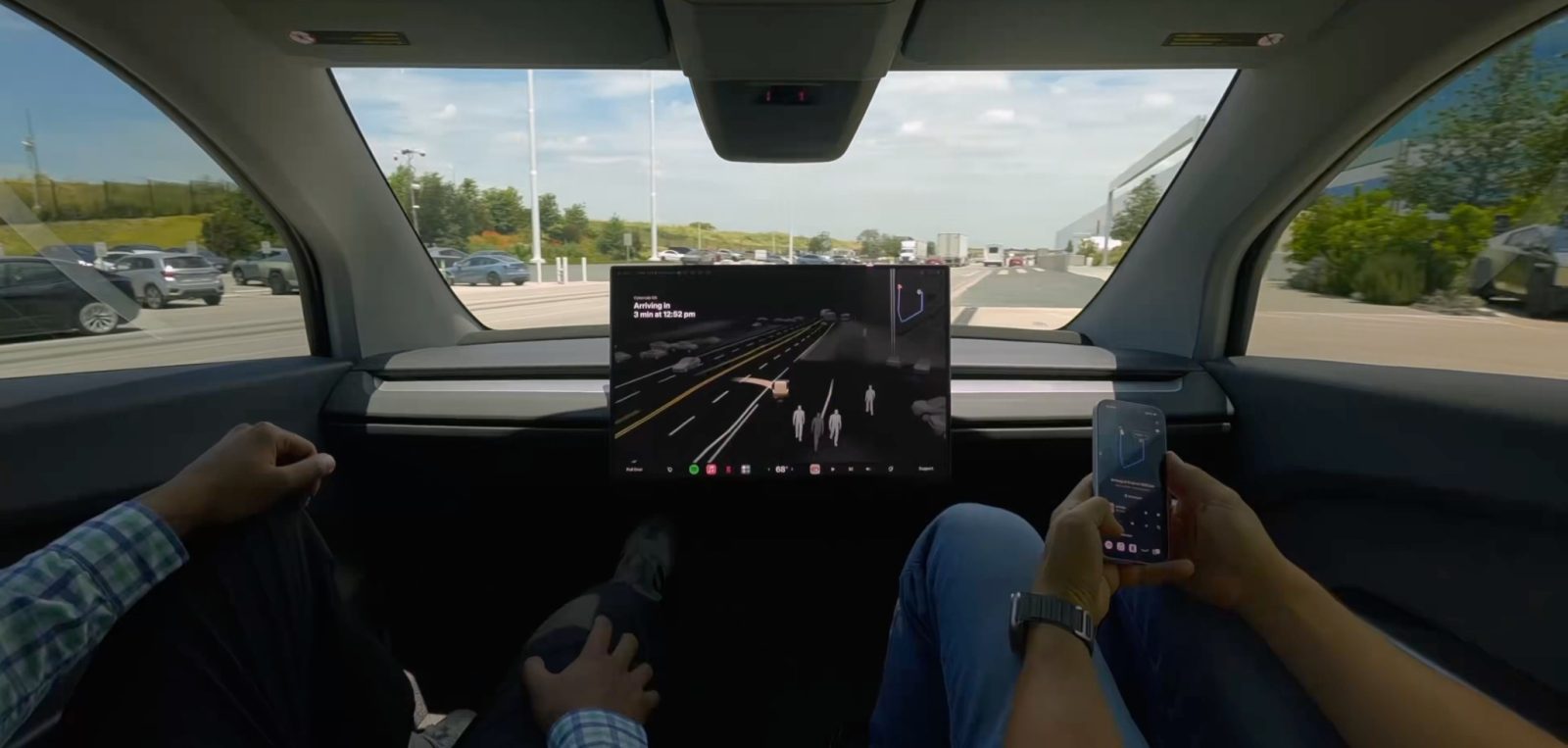
Elon Musk has done it again. The master of hype, the king of the future, and the CEO of Tesla has just unleashed another bombshell announcement that has sent shockwaves through the automotive world. Tesla has officially declared that ‘Cybercab employee rides at Giga Texas’ are ‘starting soon.’ But before you sell your car and prepare for a future of being chauffeured by a wheel-less, pedal-less AI machine, we need to look at the cold, hard facts. Is this the revolutionary leap forward we were promised, or is it just another carefully engineered public relations stunt designed to pump up the company’s stock? Let’s dive deep into the reality of the situation.
The Truth Behind Elon Musk’s Cybercab Announcement
When Tesla posted the announcement across two of its major social media accounts, it quickly racked up nearly three million combined views. Fans and investors immediately went wild, imagining a futuristic fleet of driverless vehicles seamlessly navigating the sprawling campus of Giga Texas. The vision of a wheel-less, pedal-less vehicle operating autonomously is indeed the holy grail of modern transportation. However, industry experts and skeptical onlookers are already raising red flags about what this ‘starting soon’ phase actually entails.
A Breakthrough in Autonomous Rides or Just a Parking Lot Illusion?
The big question on everyone’s mind is simple: what does a ‘ride’ actually mean in this context? Tesla’s announcement was notoriously thin on details. It remains entirely unclear whether these Cybercabs will be operating as a legitimate, fully autonomous ride-hailing service navigating complex roads inside Giga Texas, or if they will simply be restricted to crawling around a cordoned-off parking lot at low speeds. There is a massive technological gulf between driving a predefined, closed-loop path in a controlled environment and operating a true robotaxi service. If the Cybercab is merely acting as a glorified, slow-moving shuttle for employees walking from their cars to the factory entrance, then calling it a ‘robotaxi service’ is a massive stretch of the imagination.
The Missing Details Tesla Doesn’t Want You to Know
Furthermore, the regulatory hurdles for deploying fully autonomous, wheel-less, and pedal-less vehicles on public roads are monumental. By keeping these initial rides restricted to private property at Giga Texas, Tesla cleverly bypasses federal safety standards that would otherwise halt the Cybercab in its tracks. According to reports on Electrek, the lack of traditional physical controls makes public deployment a legal nightmare. By launching this program internally, Tesla can claim they are actively running a robotaxi service without having to prove their Full Self-Driving (FSD) software can handle the unpredictable chaos of real-world traffic.
To make matters more intriguing, the timeline for the actual consumer launch remains shrouded in mystery. Tesla has a long history of promising revolutionary autonomous features that are ‘just around the corner,’ only for customers to wait years for them to materialize. This latest trial program with employees could simply be a glorified beta test designed to gather data while generating massive social media buzz. If history is any indication, it could be a very long time before average citizens can hail one of these futuristic pods on their local city streets. Until Tesla releases actual footage of these Cybercabs navigating complex, dynamic environments without human intervention, we must treat this announcement with a healthy dose of skepticism.