Shocking Law Threatens Tesla’s Autonomous Empire
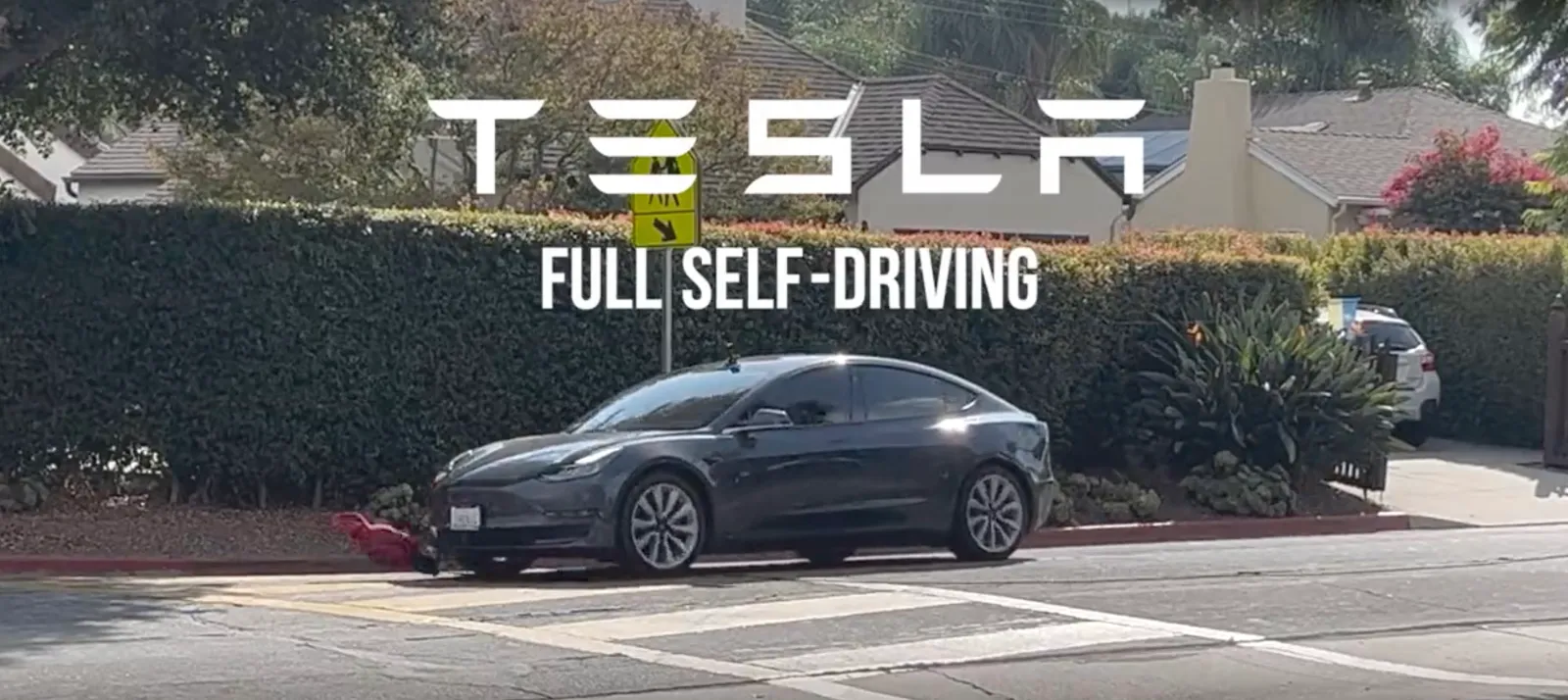
In a devastating blow to tech billionaire Elon Musk, the state of New Jersey is moving forward with a revolutionary piece of legislation that could completely derail the highly anticipated Tesla Robotaxi before it even hits the streets. For years, Musk has confidently paraded his vision of a camera-only autonomous future, dismissing traditional sensor hardware like radar and lidar as unnecessary crutches. However, lawmakers in America’s most densely populated state are about to shatter that dream, forcing Tesla into a massive technological corner that could cost the company billions.
The sudden political shift has sent shockwaves through the electric vehicle industry. If passed, this new mandate will effectively outlaw Tesla’s current self-driving architecture in New Jersey, presenting a massive headache for the company’s ambitious autonomous ride-hailing plans. Critics are calling it the ultimate reality check for Elon Musk’s controversial ‘vision-only’ approach, while loyal fans decry it as a direct government attack on innovation and progress.
The Bill That Ruined Elon Musk’s Dreams
At the center of this legal firestorm is New Jersey Senate Bill S1677. This aggressive proposed law targets driverless commercial vehicles, demanding they adhere to strict safety standards that Tesla’s current hardware suite simply cannot satisfy. According to the bill’s current draft, any autonomous commercial vehicle operating within state lines must be equipped with three distinct types of sensors: cameras, plus two additional sensor technologies, such as radar and lidar. You can read more about the developing story on Electrek, which first highlighted the devastating impact this bill could have on Tesla’s market dominance.
By mandating multiple redundant sensor types, New Jersey lawmakers are prioritizing public safety over corporate cost-cutting. The state’s unique geography—highly congested highways, unpredictable weather, and intense urban traffic—makes it a challenging testing ground for self-driving cars. Proponents of the bill argue that relying solely on cameras is an unacceptable risk when lives are on the line, especially for heavy commercial vehicles and public robotaxis.
If S1677 becomes law, Tesla will face a brutal ultimatum: either retrofit its entire planned Robotaxi fleet with expensive radar and lidar sensors, or completely abandon the lucrative New Jersey market. This is a massive blow, considering New Jersey’s high population density makes it one of the most profitable potential markets for autonomous ride-sharing services in the United States.
Why Cameras Only Won’t Cut It Anymore
For years, Elon Musk has famously insisted that humans drive with eyes and brains, so cars should drive with cameras and neural nets. This philosophical stance led Tesla to strip radar sensors from its vehicles, relying entirely on ‘Tesla Vision’—a camera-only system. However, safety experts have repeatedly warned that cameras can be blinded by blinding sunlight, heavy rain, thick fog, or dirt. This is where active sensors like lidar and radar shine, as they can ‘see’ through adverse weather conditions by bouncing light and radio waves off objects.
Under the proposed New Jersey guidelines, an autonomous commercial vehicle must possess a robust, multi-layered perception system. Here is what the state wants to see on every driverless commercial vehicle:
- High-Resolution Cameras: To capture visual data, read traffic signs, and identify color-coded signals.
- Radar Technology: To detect the distance and speed of objects through fog, rain, and snow.
- Lidar (Light Detection and Ranging): To create highly accurate 3D maps of the vehicle’s immediate surroundings in real-time.
Tesla’s current line of vehicles, including the upcoming Robotaxi models, completely lack radar and lidar. Musk has even gone so far as to call lidar a ‘fool’s errand,’ claiming that anyone relying on it is doomed. Now, it seems New Jersey might prove that the real doom lies in refusing to adapt. As pressure mounts, other states may follow New Jersey’s lead, creating a fractured regulatory landscape that could make a unified national Robotaxi launch virtually impossible for Tesla without major hardware redesigns.