The Shocking Reason Volkswagen Fired Their Mowers for a Flock of Sheep
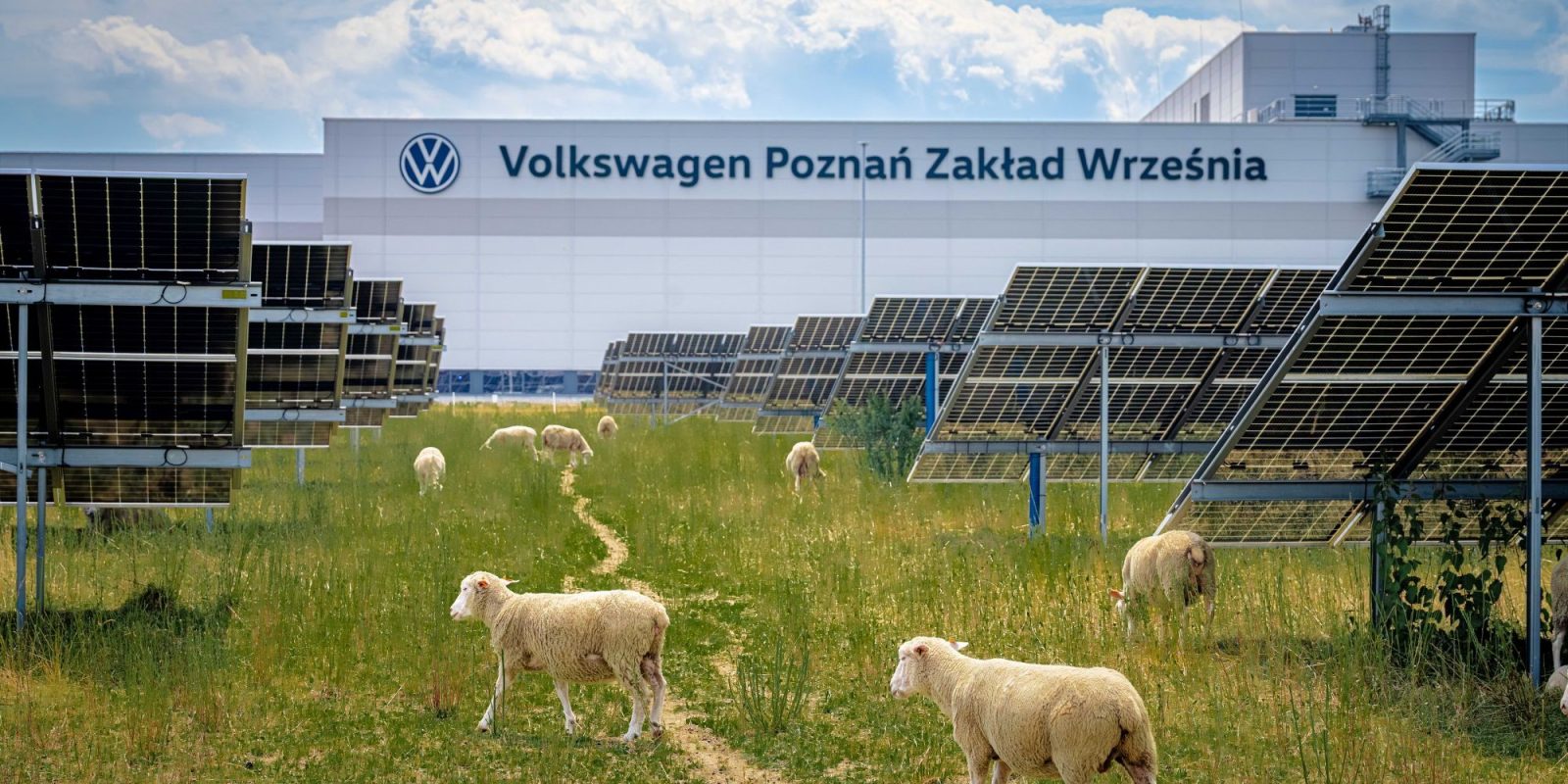
In a move that has stunned both the automotive and renewable energy industries, global car giant Volkswagen has officially banished mechanical lawnmowers from its massive solar facility in Poland. Instead, visitors to the high-tech plant are being greeted by an unexpected sight: a massive flock of sheep hard at work. While it sounds like an April Fool’s prank, this bizarre strategic shift is actually a brilliant masterclass in ecological engineering that is saving the company millions while safeguarding the local environment.
As automotive manufacturers scramble to meet strict carbon neutrality goals, the pressure is on to make every aspect of production as green as possible. Volkswagen’s Polish factory, which relies heavily on a state-of-the-art solar farm to power its assembly lines, was facing a silent but costly crisis. Traditional landscaping equipment was proving to be a logistical and environmental nightmare. The solution to this modern industrial headache came not from a laboratory, but from ancient agricultural wisdom.
The Hidden Hazard of Traditional Lawnmowers on Solar Farms
Maintaining the grounds of a multi-megawatt solar farm is far more complicated than mowing a suburban backyard. When grass and weeds grow too tall, they cast shadows over the photovoltaic panels, drastically reducing their energy output. For a major factory relying on constant, clean electricity, even a minor drop in solar efficiency can translate to massive financial losses. However, bringing heavy, gas-guzzling industrial mowers into a sensitive solar field is packed with hidden risks.
First, traditional mowers are notorious for kicking up small rocks and debris. At high speeds, these tiny stones turn into high-velocity projectiles that can shatter expensive glass solar panels in an instant. Second, heavy machinery compacts the soil, destroying the natural drainage systems and crushing delicate local ecosystems. Finally, using fossil-fuel-powered engines to maintain a green energy site is a glaring contradiction that environmental critics are quick to point out. Volkswagen knew they needed a safer, cleaner, and quieter alternative to keep their solar panels unobstructed.
How Sheep Are Saving Millions and Boosting Biodiversity
Enter the humble sheep. Unlike goats, which are notorious for chewing through expensive electrical cabling and climbing on top of delicate structures, sheep are the perfect low-maintenance lawnmowers. They gently graze on the grass, keeping it at an optimal height without ever threatening the integrity of the solar infrastructure. This harmonious integration of solar energy and agriculture is a rapidly growing global trend known as agrivoltaics.
By deploying these fluffy workers, Volkswagen has eliminated the risk of flying debris damaging their multi-million dollar solar assets. But the benefits do not stop there. The sheep naturally fertilize the soil as they graze, promoting a healthier, more diverse array of local plant species. This has led to a dramatic resurgence of beneficial insects and pollinators in the area, turning a sterile industrial site into a thriving biodiversity haven. Furthermore, this initiative supports local shepherds, creating a sustainable micro-economy that bridges the gap between traditional agriculture and cutting-edge industrial technology.
This brilliant strategy is part of Volkswagen’s broader initiative to transition to sustainable manufacturing practices across Europe. According to reports on Electrek, the automotive sector is increasingly looking at nature-based solutions to solve complex industrial challenges. As the success of the Polish solar farm project becomes more apparent, industry experts predict that ‘solar grazing’ will soon become the global standard for renewable energy installations. Volkswagen has proven that sometimes, the most advanced technology is the one designed by nature millions of years ago.