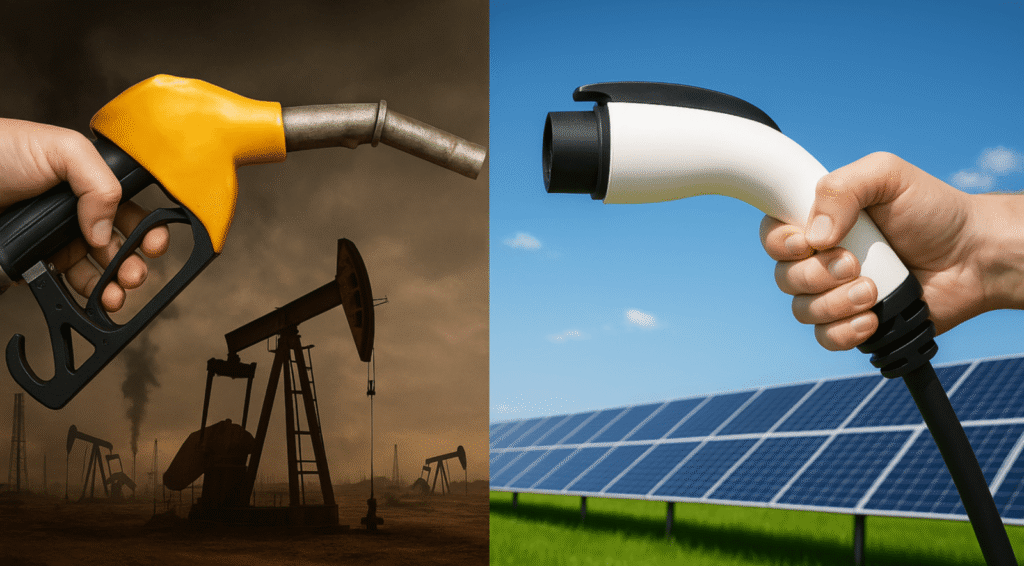
The Green Revolution: Solar Overtakes Gas in California
California, a historic leader in renewable energy, has achieved what energy skeptics once called an impossible pipe dream. According to groundbreaking new data, utility-scale solar power has officially dethroned natural gas as the dominant source of electricity for most days of the year in 2026. This isn’t just a minor victory; it is a full-scale energy revolution that is rewriting the rules of the global power grid and signaling the end of fossil fuel dominance.
For decades, natural gas was touted as the indispensable bridge fuel that would keep the lights on when the sun set. However, that bridge is rapidly burning down. The sheer scale of California’s solar deployment has reached a critical tipping point, turning the state’s vast desert arrays into the primary engine of its modern economy.
Inside the Mind-Blowing EIA Data
The official numbers provided by the US Energy Information Administration (EIA) paint a stunning picture of this rapid transition. According to their new data, solar generation consistently outpaces natural gas throughout the day, holding the crown for the majority of the calendar year. This historic crossover marks the first time a major global economy has sustained such solar dominance over fossil fuels.
The economic ramifications of this shift are gargantuan. The transition is driving massive changes across the energy sector, including:
- A dramatic reduction in greenhouse gas emissions from the power sector.
- Insulation from volatile natural gas price spikes that historically hurt consumers.
- An unprecedented boom in clean technology and infrastructure jobs across the state.
Industry insiders are calling this the point of no return. What was once a seasonal phenomenon, where solar peaked only during the long summer months, has now become the year-round baseline. This transition forces fossil fuel plants into early retirement or relegates them to operating only during extreme peak-demand emergencies.
The Battery Revolution Saving the Grid
Critics of renewable energy have long pointed to the duck curve—the phenomenon where solar production spikes during midday but drops to zero at night, requiring natural gas to ramp up aggressively. However, California has solved this riddle through massive, forward-thinking investments in utility-scale battery storage.
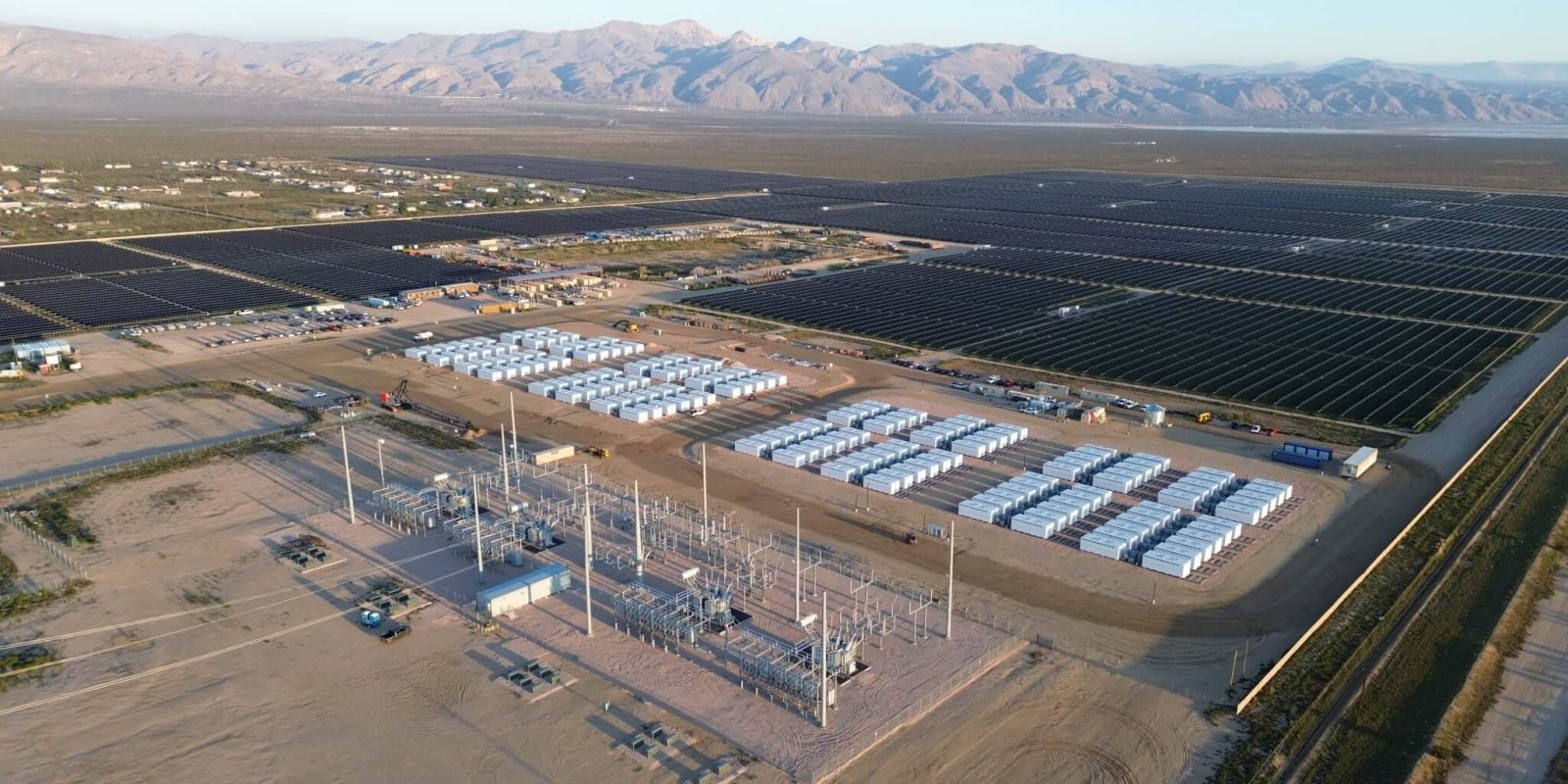
Mega-projects, such as the Arevon Eland solar-plus-storage facility, are capable of capturing excess solar energy generated during peak daylight hours and injecting it back into the grid after sunset. This eliminates the grid’s dependency on natural gas during high-demand evening hours. The integration of high-capacity lithium-ion batteries has transformed solar from an intermittent energy source into a highly reliable, 24/7 power powerhouse.
As California proves that a modern, industrial economy can run predominantly on sunlight, the pressure is now on other states and nations to accelerate their transition. The fossil fuel era is drawing to an inevitable close, and the Golden State is shining a light on the path forward.