The electric vehicle industry is on the verge of its most explosive revolution yet. For years, drivers and manufacturers alike have bemoaned the limitations of traditional lithium-ion batteries. Long charging times, cold weather degradation, and range anxiety have kept millions of potential buyers from making the switch to electric. But all of that is about to change. In a stunning, paradigm-shifting announcement, automotive giant Honda and battery pioneer QuantumScape (QS) have officially declared a strategic partnership. Their goal? To commercialize next-generation solid-state batteries, a technology widely considered to be the holy grail of clean transportation.
The Game-Changing Alliance: Honda and QuantumScape
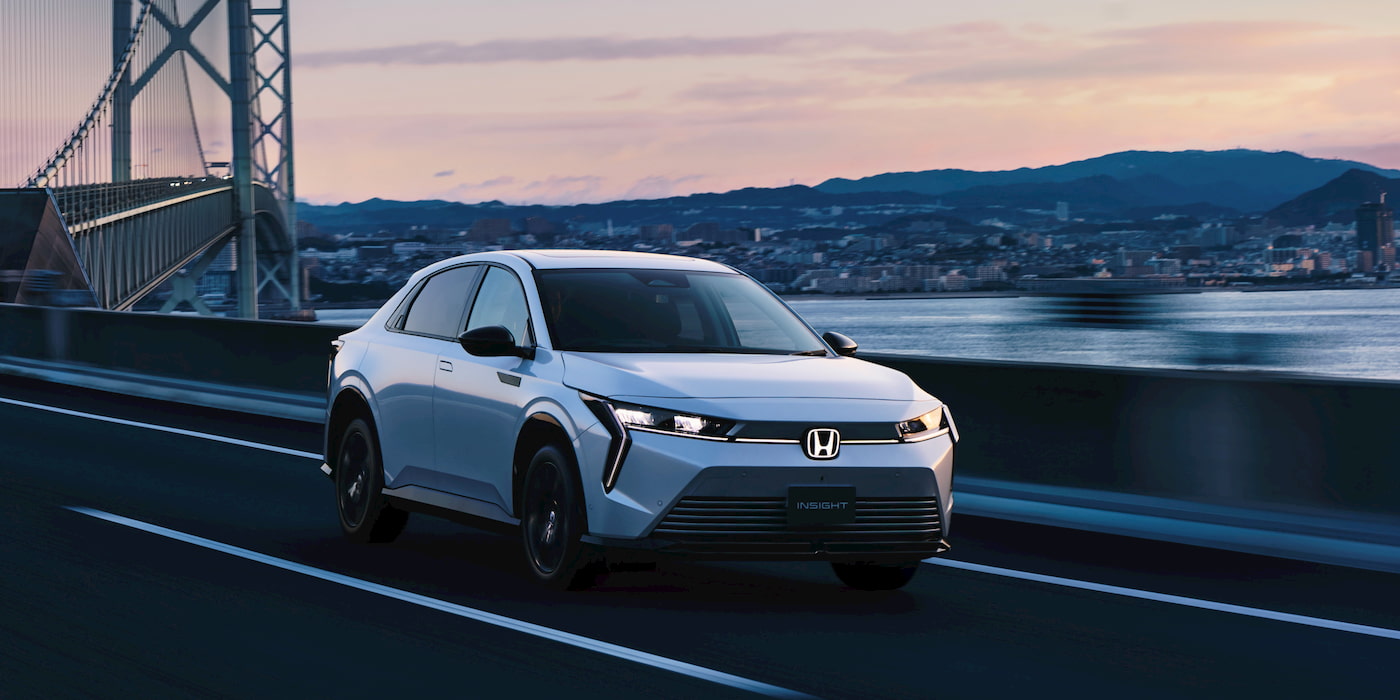
This monumental collaboration marks a critical turning point in the global automotive landscape. Honda, once seen as a legacy automaker dragging its feet in the transition to pure battery-electric vehicles (BEVs), is now positioning itself at the absolute cutting edge of energy storage technology. By joining forces with QuantumScape, a Silicon Valley darling backed by some of the biggest names in tech and automotive investing, Honda is bypassing incremental battery upgrades and leaping straight to the endgame.
For QuantumScape, this partnership represents the ultimate validation of its proprietary technology. Known for its revolutionary anode-free lithium-metal design, QuantumScape has spent years in laboratory development, perfecting a ceramic separator that solves the notorious dendrite problem—microscopic lithium fibers that can cause short circuits and fires in experimental solid-state cells. Together, Honda and QuantumScape aim to integrate these high-performance cells into production-ready vehicles by the turn of the decade.
Why Solid-State Batteries are the Holy Grail
To truly understand the weight of this announcement, one must understand what makes solid-state batteries so radically superior to the liquid electrolyte batteries found in today’s Teslas and Hyundais.
- Unparalleled Energy Density: Solid-state chemistry allows for much tighter packing of energy, potentially doubling the driving range of an EV without increasing the size or weight of the battery pack. Imagine a sleek Honda sedan traveling over 600 miles on a single charge.
- Ultra-Fast Charging: Because solid-state cells can tolerate much higher currents without overheating, drivers could recharge their vehicles to 80% capacity in under ten minutes—comparable to filling up a tank of gasoline.
- Enhanced Safety: By eliminating volatile, flammable liquid electrolytes, the risk of catastrophic battery fires is virtually eradicated. This makes the vehicles safer for consumers and reduces the need for heavy, expensive cooling systems.
The Race to Dominate the EV Market
As Honda and QuantumScape join forces, the pressure is mounting on rivals like Toyota, Volkswagen, and Nissan, all of whom have their own solid-state development programs. However, QuantumScape’s unique technology stack gives Honda a potential head start in achieving commercially viable yields—a hurdle that has plagued the industry for years.
Industry analysts predict that this partnership will not only redefine Honda’s future lineup but will also drive down the overall cost of electric vehicles. If successful, this collaboration could democratize long-range, fast-charging EVs, bringing premium solid-state technology to affordable consumer models. The automotive world is watching closely, and the race to commercialization is officially on.