
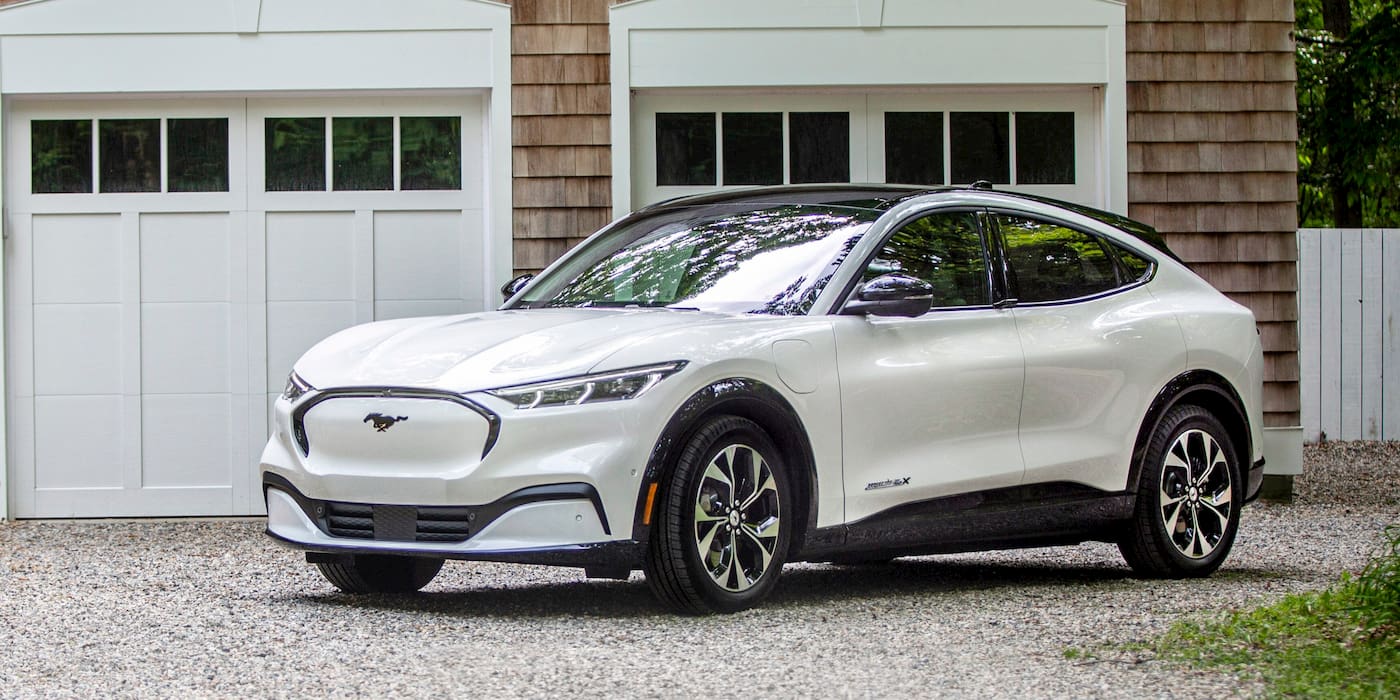
The automotive world is shaking to its very foundations. In a move that has sent shockwaves through dealerships and EV enthusiasts alike, Ford Motor Company is executing a brutal, calculated pivot that could spell the end for its most famous electric trailblazers. First came the quiet death of the highly publicized, all-electric F-150 Lightning. Now, industry insiders are asking a terrifying question: Is the beloved Mustang Mach-E next on the chopping block?
For years, legacy automakers promised a seamless transition to an all-electric future, with high-end, high-performance vehicles leading the charge. But reality has caught up with the hype. High production costs, sluggish demand, and a cutthroat price war have forced Detroit’s finest to rethink everything. The Mach-E, once heralded as the crown jewel of Ford’s modern era, now appears to be running on borrowed time.
The Great EV Culling: Why Ford is Killing Its Icons
It seems almost unthinkable. The Mustang brand is sacred, and when Ford slapped that pony badge onto an electric crossover, it was a massive gamble that initially paid off. However, behind the glossy marketing campaigns lies a harsher financial reality. Producing first-generation electric vehicles has been an incredibly expensive endeavor for legacy manufacturers, often resulting in massive losses per vehicle sold.
As Ford shifts its gaze toward long-term survival, the current generation of electric vehicles is being phased out to make room for something entirely different. The cancellation of the F-150 Lightning was the first major warning sign that the old playbook was being thrown into the fire. Analysts suggest that the Mustang Mach-E is facing a similar reckoning as Ford prepares to overhaul its entire assembly line for a cheaper, more streamlined future.
The Mustang Mach-E is Running Out of Time
Why is the Mach-E suddenly in jeopardy? The answer boils down to profitability and market saturation. While the vehicle received rave reviews for its driving dynamics and styling, it remains a premium product in a market that is increasingly demanding affordability. Dealerships have had to rely on heavy discounts and aggressive lease deals just to keep the inventory moving off the lots.
According to reports on Ford’s strategic shifts, the automaker is rapidly shifting its capital away from these expensive, early-generation platforms. The Mustang Mach-E is running out of time because it represents the old way of building EVs—heavy, complex, and expensive to manufacture. To compete with emerging global giants and domestic rivals, Ford needs to strip away the excess and start from scratch.
The $30,000 Savior: Ford’s Secret Next-Gen Platform
But this isn’t just a story of retreat; it is a story of a massive, high-stakes rebirth. Out of the ashes of the first-generation EVs, Ford is planning to launch a highly disruptive, ultra-efficient next-generation platform. The ultimate goal? To deliver electric vehicles that are not only affordable for the average consumer but also highly profitable for the company.
The spearhead of this new offensive is rumored to be a highly anticipated $30,000 electric pickup truck, slated for a 2027 release. This vehicle represents a complete departure from the oversized, overpriced luxury EVs of the early 2020s. To achieve this radical price point, Ford is focusing on several key pillars:
- Ultra-efficient battery chemistry to drastically reduce raw material costs.
- A simplified manufacturing process to slash assembly times and factory overhead.
- Aerodynamic, smaller footprints that maximize driving range without needing massive, heavy battery packs.
- A clean-sheet software architecture designed to generate post-sale digital subscription revenue.
If Ford can successfully pull off this high-wire pivot, the loss of the first-generation F-150 Lightning and the eventual sunsetting of the Mustang Mach-E will be seen as necessary casualties in a war for survival. For now, buyers looking to grab a piece of Ford’s first-generation EV history should act fast, because the clock is officially ticking down to zero.