The Secrets Hidden Inside Aptera’s Production Facility
For years, skeptics have dismissed the revolutionary Aptera solar EV as nothing more than vaporware. Critics claimed that a three-wheeled, solar-powered vehicle was too futuristic, too ambitious, and flat-out impossible to manufacture at scale. However, after finally getting a chance to sit behind the wheel and experience this mind-blowing vehicle firsthand, we gained exclusive, behind-the-scenes access to Aptera’s manufacturing headquarters. What we witnessed inside those walls represents either the ultimate disruption of the automotive industry or one of the boldest gambles in modern engineering history.
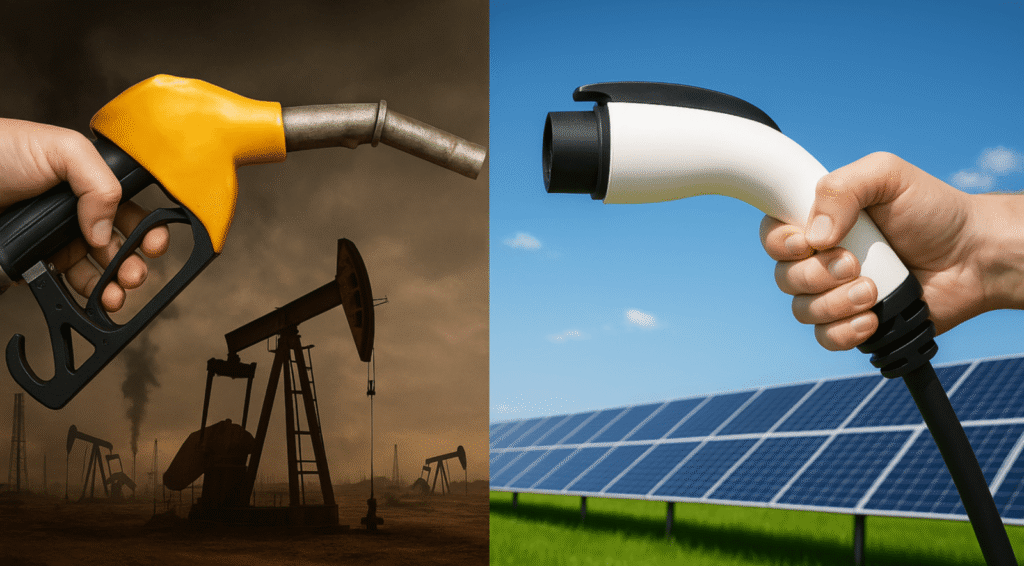
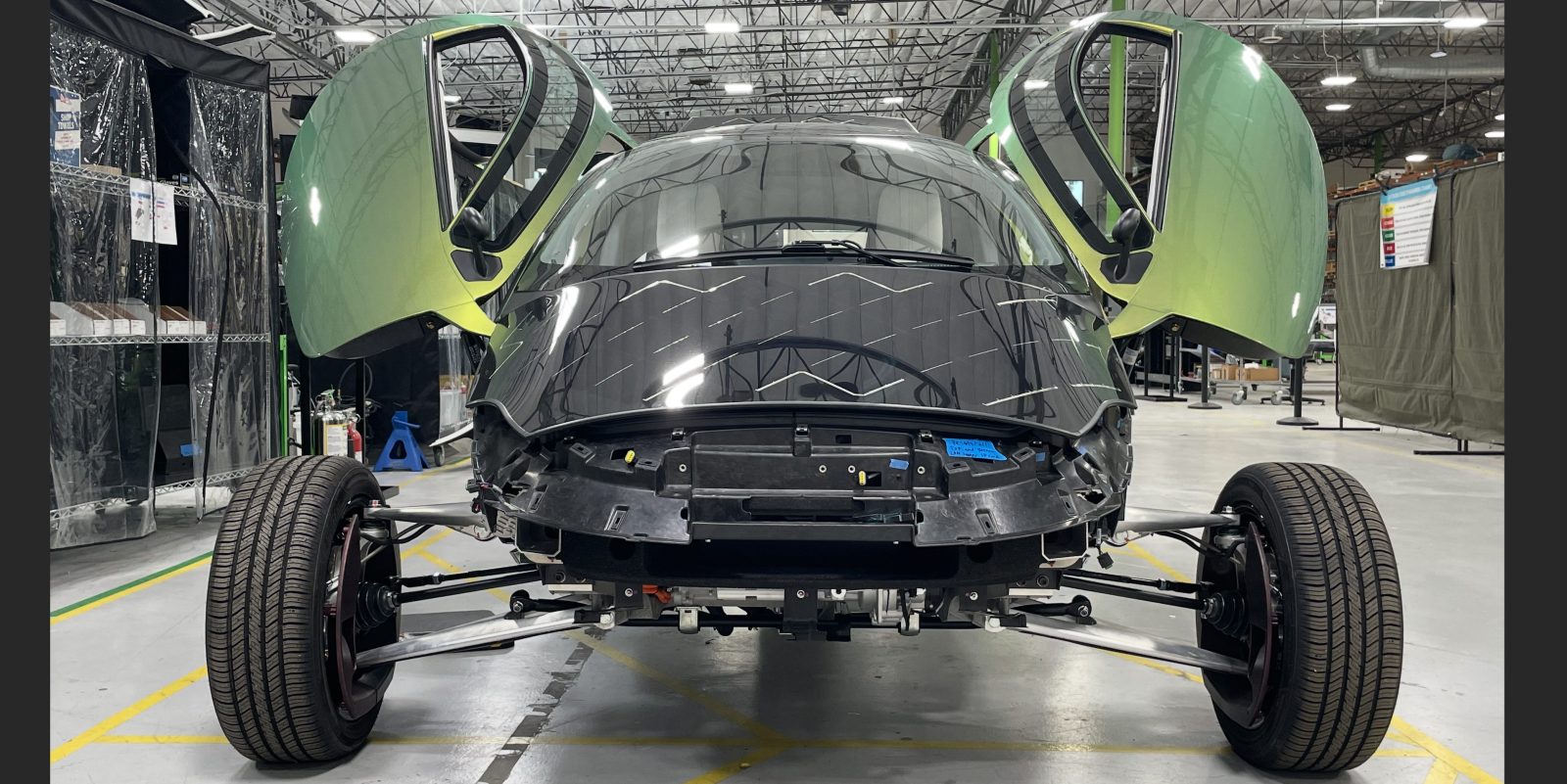
Walking through the facility, the atmosphere is electric. Unlike traditional automotive factories dominated by loud, towering metal stamping presses and endless miles of traditional conveyor belts, Aptera’s setup feels more like an aerospace laboratory. The company is actively rewriting the rulebook on how passenger vehicles are built, utilizing specialized composite materials and integrated solar technology that could make gas stations entirely obsolete for the average commuter.
The Jaw-Dropping Technology Behind the Solar Shell
The core promise of the Aptera solar EV lies in its ability to harness the power of the sun to deliver up to forty miles of entirely free driving range per day. Seeing how these solar panels are integrated into the vehicle’s body panels at the factory is nothing short of mesmerizing. Engineers have developed a highly proprietary lamination process that allows curved solar cells to become structural components of the vehicle’s outer skin. This integration ensures that the vehicle remains incredibly aerodynamic while constantly trickling clean energy back into its battery pack.
During our deep dive, we also analyzed the vehicle’s ultra-lightweight composite chassis. By utilizing carbon fiber and glass composites, Aptera has managed to keep the weight of the vehicle exceptionally low. This extreme weight reduction is exactly what allows the highly anticipated Aptera solar electric car to achieve unprecedented efficiency numbers. Traditional electric vehicle manufacturers are currently trapped in a vicious cycle of adding heavier batteries to gain more range, which in turn requires beefier suspension and brakes. Aptera is violently breaking this cycle by prioritizing aerodynamics and lightweight design above all else.
Can Aptera Survive the Brutal EV Production Hell?
Despite the undeniable engineering breakthroughs visible on the factory floor, Aptera still faces a monumental uphill battle. The automotive landscape is littered with the graves of promising electric vehicle startups that succumbed to the infamous production hell. Transitioning from a working prototype to high-volume manufacturing requires capital, flawless supply chain logistics, and rigorous quality control. Aptera’s unique three-wheel configuration presents several novel manufacturing challenges that traditional supply chains are simply not equipped to handle easily.
During our walkthrough of the assembly line, we observed several key milestones and hurdles that the team is currently tackling:
- Composite Tooling Calibration: Ensuring that the massive composite body parts cure perfectly with zero structural flaws or surface defects.
- Solar Cell Yield Rates: Optimizing the lamination process to prevent micro-cracks in the solar cells during high-volume assembly operations.
- In-Wheel Motor Integration: Fine-tuning the revolutionary hub motors to guarantee harsh-weather durability and consistent torque delivery.
- Capital Allocation: Securing the final rounds of funding required to transition from low-volume pre-production builds to full-scale assembly lines.
If Aptera can successfully navigate these manufacturing bottlenecks, they will not just release a new car; they will pioneer an entirely new class of personal mobility. The sheer passion of the team inside the facility is contagious, but passion alone does not build thousands of vehicles. As the company prepares for its final production push, the entire automotive world is watching with bated breath to see if this solar dream will truly conquer the open road.