The Terrifying New Loophole Threatening Highway Safety
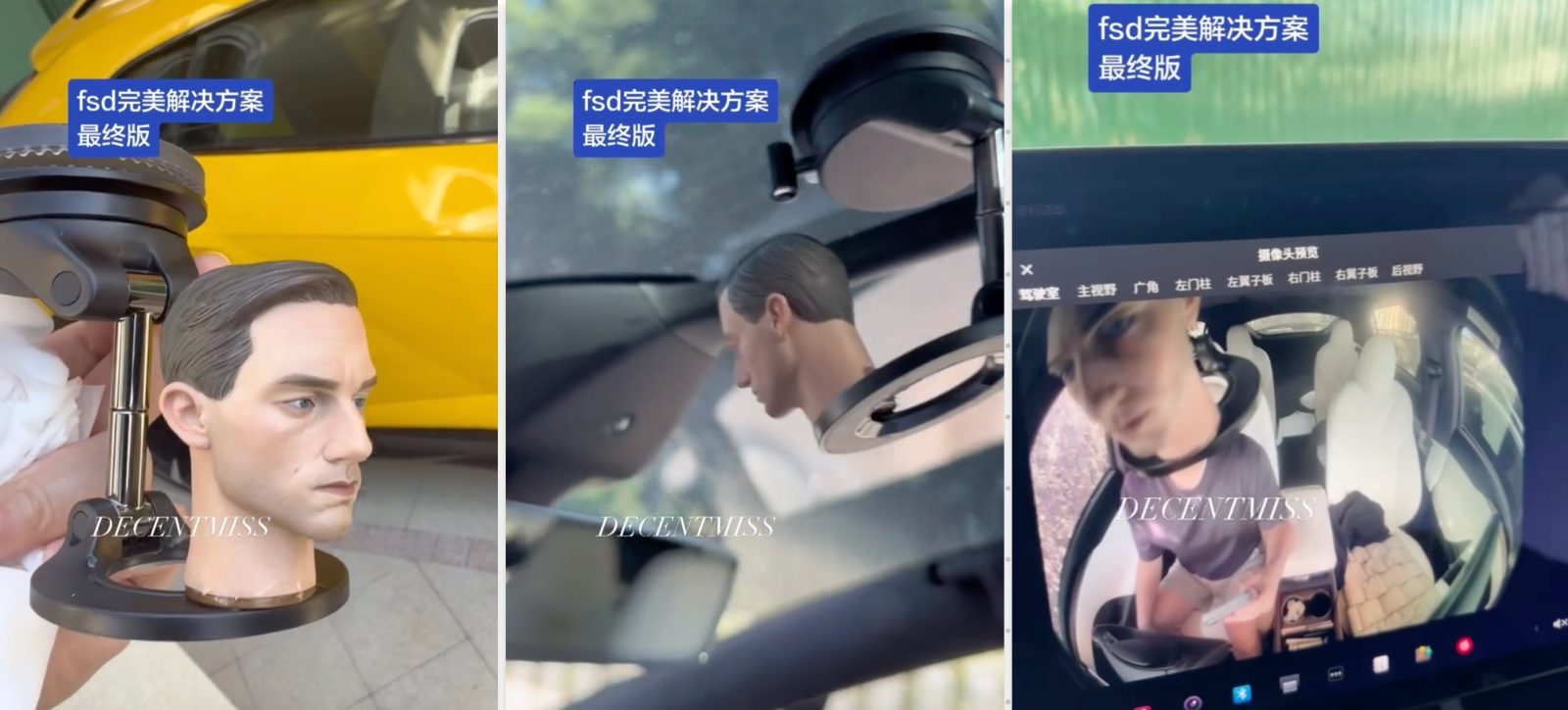
In a shocking and incredibly dangerous escalation of the ongoing battle between tech companies and reckless drivers, a bizarre new industry has emerged. Unscrupulous sellers on Chinese e-commerce platforms are marketing tiny, realistic plastic doll heads specifically engineered to defeat one of Tesla’s most crucial safety features. Designed to bypass the cabin camera that monitors driver attentiveness, these cheap plastic heads are being sold for as little as $20 to $50, creating a massive security and safety nightmare on public roads worldwide.
As autonomous driving technology advances, companies like Tesla have implemented strict driver-monitoring systems (DMS) to ensure that motorists remain alert and ready to take control of the vehicle at any second. However, a growing subculture of drivers is actively seeking ways to trick these safeguards. This latest breakthrough in irresponsible driving hacks represents an alarming development that has safety advocates, law enforcement, and automotive experts deeply concerned. Utilizing a Tesla FSD camera hack has gone from standard software bypasses to incredibly creepy physical counter-measures.
How the Plastic Doll Head Hack Actually Works
Tesla’s Full Self-Driving (FSD) and Autopilot systems rely heavily on an internal, rear-view mirror-mounted cabin camera. This camera utilizes infrared sensors and advanced machine learning algorithms to track the driver’s eyes, head position, and overall gaze. If the system detects that the driver is looking down at a phone, closing their eyes, or turning their head away from the road for too long, it triggers a series of escalating visual and auditory warnings. If ignored, the car will eventually disengage the automated features and lock the driver out of the system.
The newly discovered plastic doll heads—deceptively marketed as innocent ‘travel companions’ or ‘dashboard decorations’—are perfectly sculpted and painted to mimic human facial features. When strategically placed within the cabin camera’s field of view, the Tesla AI mistakenly registers the doll’s unblinking, static gaze as an attentive human driver. This allows the actual driver to completely ignore the road, sleep, watch videos, or even climb into the back seat while the car drives itself at highway speeds.
According to an investigative report by Electrek, these products are gaining rapid traction in online marketplaces. The ease of access and low cost of these devices make them an incredibly appealing, yet highly illegal, purchase for drivers looking to shirk their safety responsibilities.
The Dangerous Reality of Bypassing Driver Monitoring
The physical and legal consequences of utilizing a Tesla FSD camera hack cannot be overstated. By artificially satisfying the car’s driver-monitoring system, motorists are actively turning their vehicles into unguided multi-ton missiles. Autonomous systems are far from perfect; they frequently encounter edge cases, sudden construction, emergency vehicles, and unpredictable pedestrian movements that require immediate human intervention.
Over the years, we have seen various attempts to bypass Tesla’s steering wheel torque sensors, including:
- Weighted bands wrapped around the steering wheel rim.
- Squeeze toys wedged into the steering spokes.
- Custom-made metal magnetic weights.
However, the transition to visual monitoring via cabin cameras was supposed to be the ultimate solution to these physical hacks. The fact that a cheap plastic doll head can so easily fool sophisticated computer vision algorithms highlights a glaring vulnerability in modern automotive AI. It also underscores the lengths to which some individuals will go to avoid paying attention to the road, sacrificing their own safety and the lives of innocent commuters in the process.
Regulatory bodies such as the National Highway Traffic Safety Administration (NHTSA) are expected to look closely at these developments. As these counterfeit products continue to flood global e-commerce channels, Tesla will likely be forced to push out urgent over-the-air software updates to train their cabin cameras to distinguish between a real, breathing human face and a static plastic mold. Until then, the presence of these doll heads on the road remains a chilling reminder of the dark side of consumer automation.