The electric vehicle industry just experienced a massive seismic shift, and Elon Musk’s competitors are absolutely scrambling! For months, Tesla has guarded the secrets of its revolutionary robotaxi like a state secret. But now, the curtain has been officially ripped away. Newly uncovered EPA certification documents have leaked the full technical specifications of the highly anticipated Tesla Cybercab, and the numbers are sending shockwaves through the automotive world.
This is not just another car launch; this is the blueprint for the autonomous future. The official Certificate Summary Information (CSI) for EPA test group TTSLV00.0L1A, filed on May 21 and officially certified on May 26, exposes every single detail of what is being hailed as the most efficient EV ever engineered. From its surprisingly lightweight frame to its targeted powertrain, we finally have the hard data. Is it a paradigm shift, or is it all just clever smoke and mirrors?
Tesla Cybercab Specs Unmasked: The Shocking EPA Truth
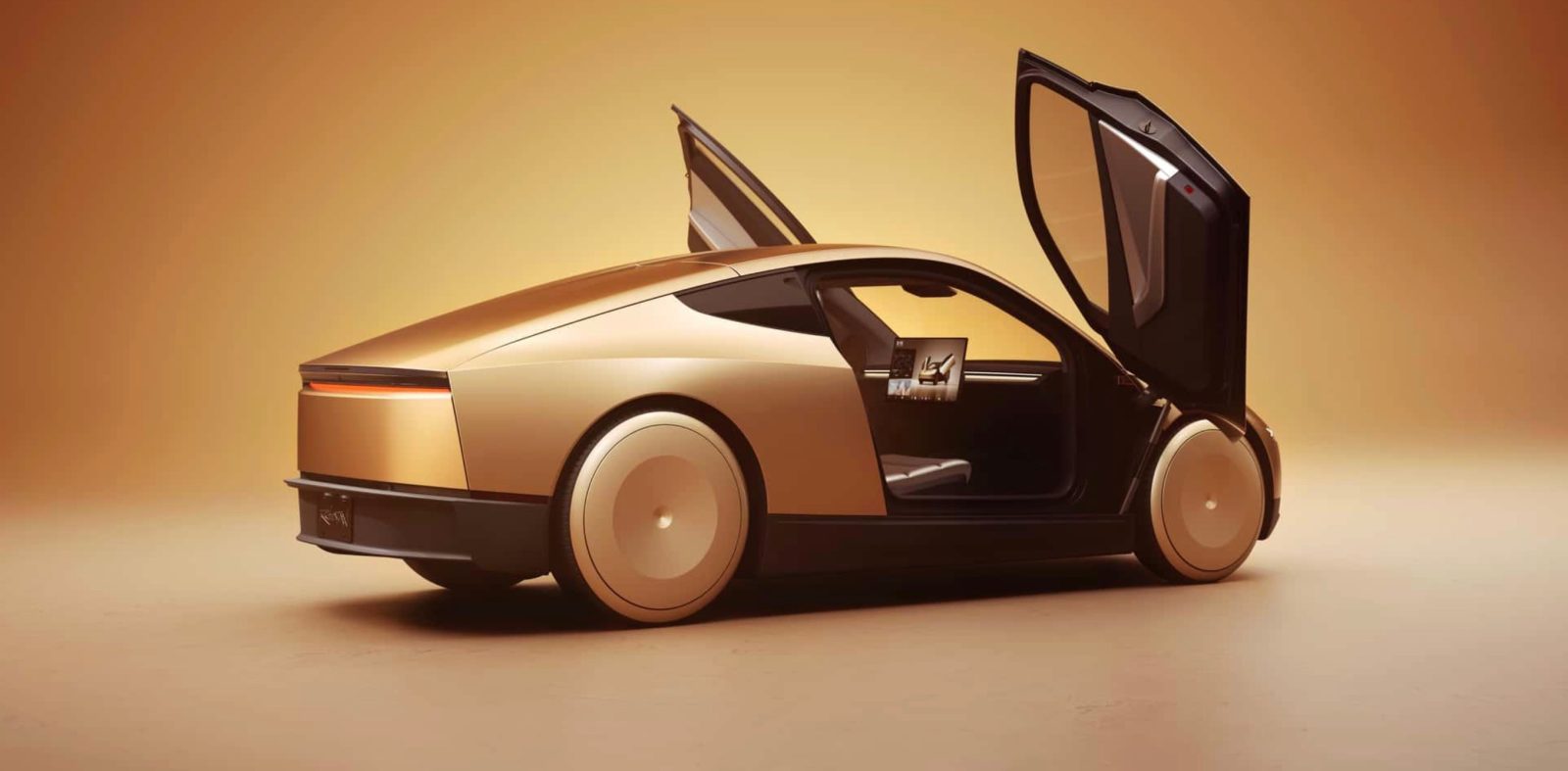
For years, critics claimed that a truly affordable, ultra-efficient autonomous vehicle was a physical impossibility. Yet, the newly leaked EPA filing confirms several mind-blowing claims that Tesla made during its initial Hollywood reveal, while also dropping some massive engineering surprises. According to the official certification, the Tesla Cybercab boasts a jaw-dropping curb weight of just 3,113 pounds (1,412 kg). To put that into perspective, most modern electric vehicles are absolute tanks, frequently tipping the scales at well over 4,500 pounds due to massive, heavy battery packs.
How did Tesla manage to trim so much fat? By designing a vehicle from the ground up purely for autonomy, stripping away unnecessary components like steering wheels, physical pedals, and heavy driver-focused dashboard assemblies. This featherlight design is the secret weapon behind its unprecedented energy consumption. The EPA documents solidify the Cybercab’s status as the absolute king of efficiency, cementing its title as the most efficient EV ever produced. Every single watt of energy is squeezed for maximum range, setting a terrifying benchmark that legacy automakers will struggle to match for a decade.
The Secret Powerhouse: 48 kWh Battery and 219 HP Motor
The most shocking revelation hidden deep within the EPA documents is the Cybercab’s battery capacity. Rumors swirled that Tesla would have to compromise on battery size to keep costs low, and the filing confirms it: the Cybercab is equipped with a modest 48 kWh battery pack. While a 48 kWh battery might sound small to the average EV buyer accustomed to 75 kWh or 100 kWh packs, the vehicle’s ultra-low weight and extreme aerodynamic profile mean this compact pack is more than enough to deliver stunning range. It is a masterclass in modern structural battery pack design.
But do not let the small battery fool you into thinking this robotaxi is a slow, boring slug. The EPA filing reveals that the Cybercab features a potent 219 horsepower (163 kW) electric motor. In a vehicle that weighs barely over 3,000 pounds, 219 horsepower is going to deliver instant, neck-snapping torque. This means the Cybercab will not only navigate congested city streets with ease, but it will also zip through highway traffic with the aggressive agility of a sports hatchback. Tesla is proving that efficiency does not have to come at the expense of performance.
Can This Cheap Robotaxi Destroy Uber and Lyft Forever?
With a lightweight chassis, a highly optimized 48 kWh battery, and a powerful 219 HP motor, the Cybercab is built for one thing: absolute dominance of the ride-hailing market. By drastically reducing the cost per mile, Tesla is aiming to make traditional ride-sharing obsolete. Imagine summoning a sleek, futuristic autonomous pod that costs less than a subway ticket. That is the threat that legacy automakers and rideshare giants like Uber and Lyft are currently facing.
This EPA certification is proof that the Cybercab is not a concept car or a distant pipe dream. It is a fully realized, certified, and road-ready machine poised to disrupt global transit. Musk has bet the entire future of Tesla on autonomy, and these technical specifications prove that the engineering foundation is rock solid. The competition has officially been put on notice. The robotaxi revolution is no longer coming—it is already here, and it is lighter, faster, and cheaper than anyone ever imagined!