In a move that has sent shockwaves through the automotive and clean energy sectors, General Motors (GM) has officially solidified an unprecedented alliance with Redwood Materials. This isn’t just another minor corporate partnership or a superficial marketing stunt designed to check a green checkbox. This is a massive, industry-altering deal that establishes the holy grail of electric vehicle manufacturing: a fully closed-loop battery lifecycle. Industry insiders are calling it a monumental shift that could forever change how we view electric vehicle sustainability and supply chain independence.
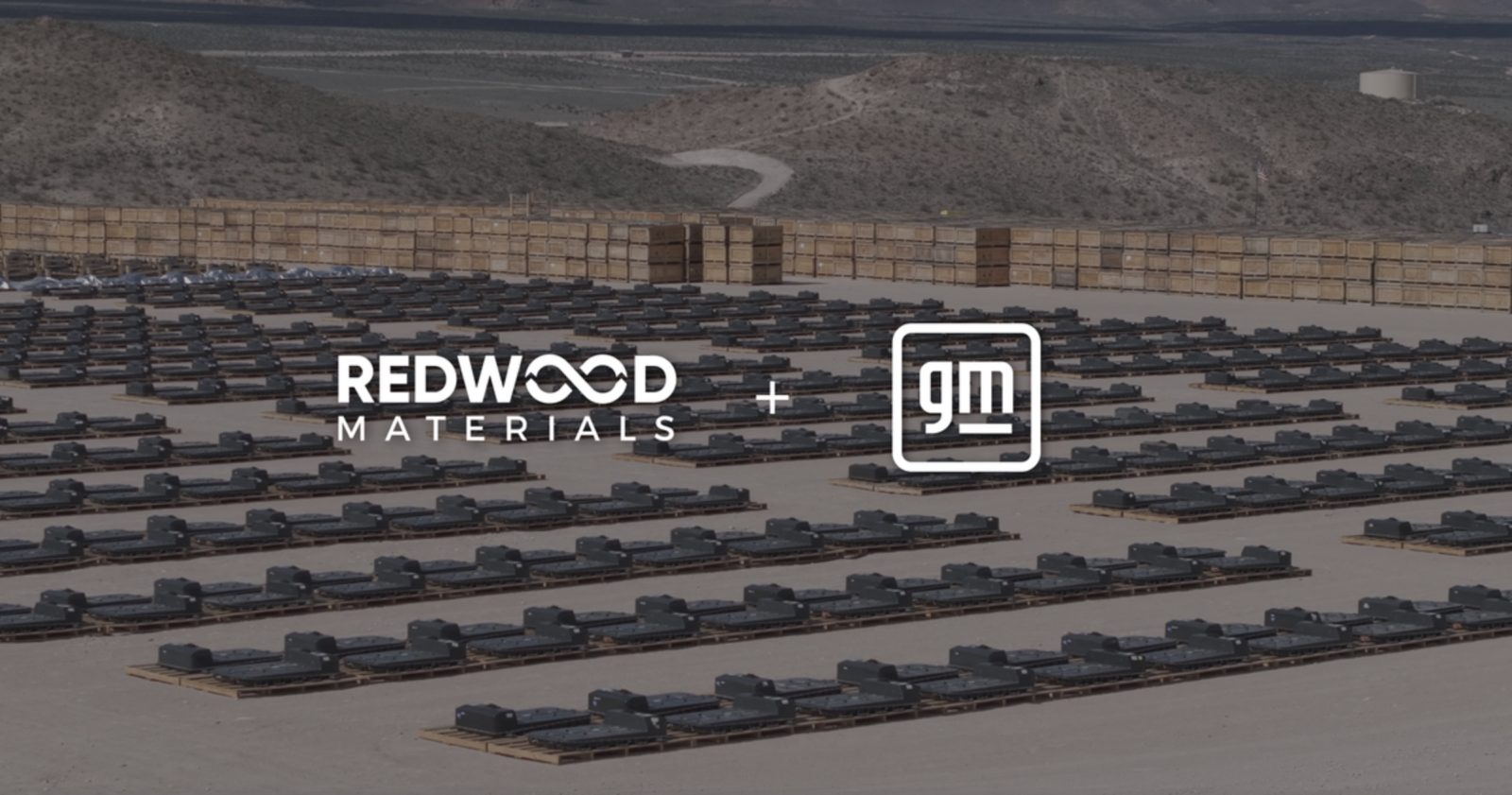
By expanding their partnership to cover every single stage of the battery lifecycle—from manufacturing scrap recovery to end-of-life recycling, and now, to groundbreaking second-life energy storage deployed directly at GM factories—GM has achieved a historic milestone. They are officially the very first automaker in the world to hit all three lifecycle phases with JB Straubel’s highly acclaimed recycling company, Redwood Materials.
The Secret Behind GM’s Unprecedented Redwood Materials Deal
For years, the biggest criticism leveled against the electric vehicle revolution has been the looming disaster of battery waste. Skeptics wondered what would happen when millions of massive lithium-ion battery packs reached the end of their useful lives. Would they clog landfills, leak toxic chemicals, or require exorbitant amounts of energy to process? The GM Redwood Materials battery partnership provides a definitive, highly profitable answer to those questions.
This expanded agreement represents the ultimate circular economy in action. Instead of shipping discarded materials overseas or treating battery scrap as waste, GM and Redwood Materials are capturing valuable metals like lithium, cobalt, nickel, and copper at every phase. By keeping these critical materials within the United States, GM is effectively insulated from volatile geopolitical tensions and supply chain bottlenecks that have plagued competitors for years. This deal isn’t just about saving the environment; it is a masterclass in economic survival and manufacturing dominance.
How Repurposed EV Batteries Will Save Millions of Dollars
Perhaps the most jaw-dropping aspect of this latest development is the physical manifestation of this second-life partnership. Redwood Materials has constructed a massive 1.5 MW / 7.2 MWh energy storage system utilizing roughly 100 repurposed GM battery packs. This monstrous energy storage system is scheduled to be installed at a major GM manufacturing facility in Michigan, turning what would have been ‘waste’ into a high-powered energy asset.
The economic implications of this installation are absolutely staggering. Redwood Materials projects that this single energy storage system will save the Michigan plant more than $3 million in electricity costs over its operational lifetime. By utilizing peak-shaving technology, the system will store energy when utility rates are low and discharge it during peak demand hours, relieving pressure on the local electrical grid while keeping GM’s manufacturing costs at an all-time low. This proves that sustainability is no longer a financial drain, but a highly lucrative investment strategy.
The Golden Loop: Why This Changes the EV Wars Forever
With this historic deployment, GM and Redwood Materials are proving to the global market that EV batteries never truly die—they simply evolve. When a battery pack can no longer meet the rigorous performance standards required to propel an electric vehicle down the highway, its journey is far from over. By transitioning these packs into stationary energy storage systems, GM is extracting maximum value from every single battery cell before they are eventually broken down and recycled back into raw materials to build the next generation of EVs.
As reported by industry experts at Electrek, this strategy positions GM far ahead of its domestic rivals in the race for clean energy dominance. JB Straubel, the legendary co-founder of Tesla and mastermind behind Redwood Materials, has built an empire designed to solve the battery industry’s greatest bottleneck. By locking in this exclusive, multi-layered partnership, GM has secured a massive competitive advantage. Other automakers are scrambling to secure raw materials, while GM is busy building a self-sustaining ecosystem that generates millions in savings and guarantees an uninterrupted supply of battery-grade metals.
The message to the rest of the automotive world is loud and clear: the future belongs to those who control the loop. GM and Redwood Materials have officially drawn the battle lines, and the electric vehicle revolution will never be the same again.