The global electric vehicle and renewable energy landscape is shifting faster than ever, creating clear winners and losers in the race for future dominance. For years, Tesla has positioned itself as the undisputed leader of the automotive future, promising that a massive, money-making fleet of autonomous Robotaxis was just around the corner. However, the latest industry data reveals a shocking divergence in momentum. While green energy and battery technology are achieving historic breakthroughs, Tesla’s self-driving dreams appear to have hit a devastating roadblock.
The Stagnant State of Tesla’s Autonomous Fleet
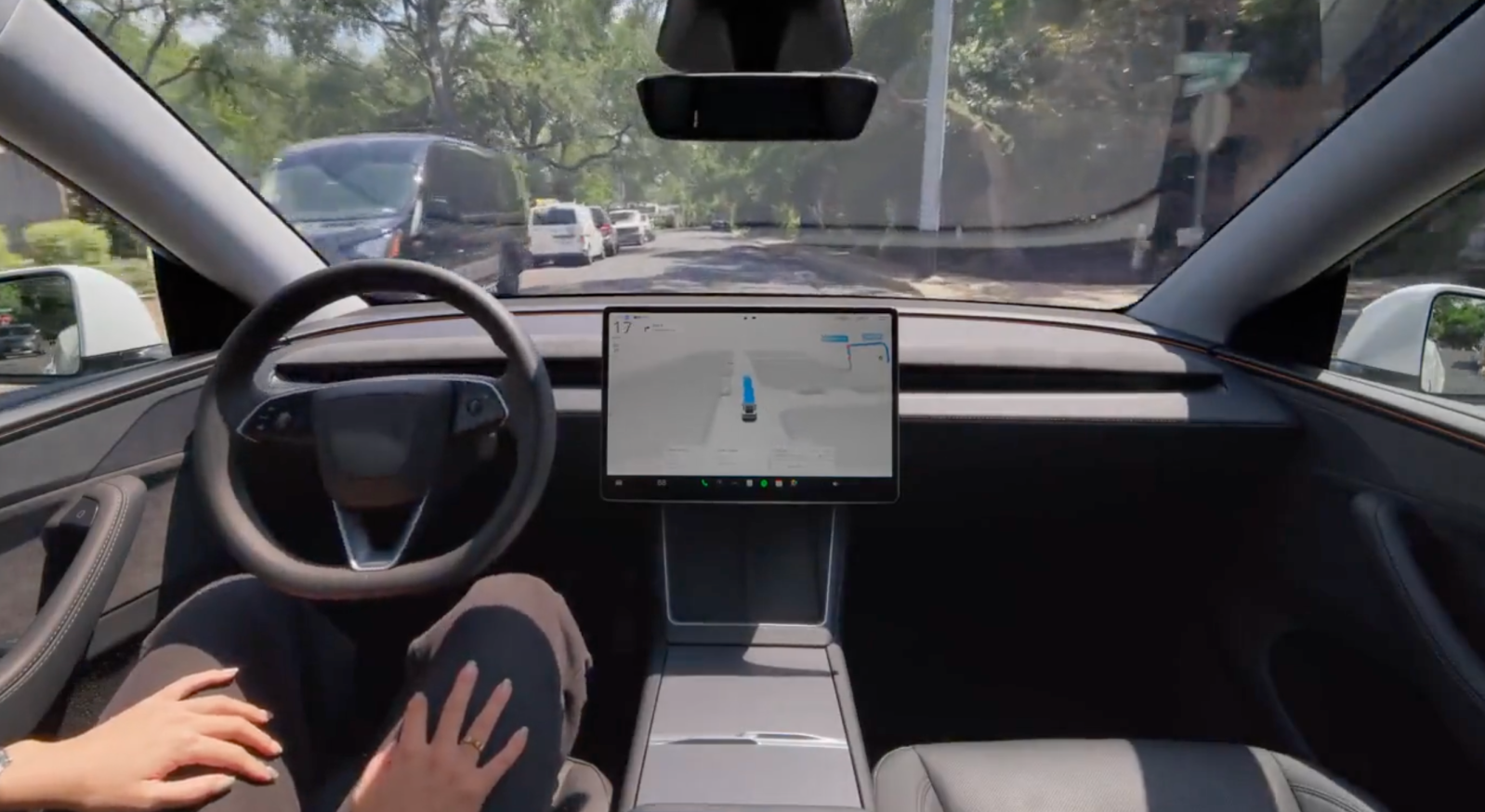
The dream of a fully autonomous Tesla Robotaxi fleet has been the cornerstone of Elon Musk’s valuation model for years. Investors have poured billions into the company based on the promise that proprietary Full Self-Driving (FSD) software would soon render human drivers obsolete. Yet, as the latest reports indicate, this critical momentum has stalled. Regulatory scrutiny is intensifying, with federal safety agencies launching deep investigations into FSD performance, while consumers grow increasingly weary of beta-testing software that still requires constant human intervention.
The stagnation of the self-driving fleet is underscored by three critical bottlenecks:
- Regulatory hurdles delaying commercial permits across major metropolitan areas
- FSD software requiring constant, unexpected driver intervention to prevent accidents
- Increasing competition from international rivals who are opting for safer lidar-based setups
Instead of empty streets filled with driverless Tesla taxis generating passive income for their owners, we see a fleet that remains firmly grounded in reality, unable to take the final leap to Level 4 or Level 5 autonomy. This lack of progress is not just a technological hurdle; it is a financial ticking time bomb for stakeholders who expected autonomous ride-hailing to be operational by now.
China Dominates the Solid-State Battery Race
While Tesla struggles to solve the autonomy equation, Chinese automakers and battery manufacturers are focusing on the physical backbone of the EV revolution: energy density. Solid-state batteries have long been hailed as the holy grail of electric vehicles, promising double the range of current lithium-ion packs, near-instant charging times, and virtually zero fire risk. China is currently gaining immense ground in solid-state development, pushing prototype cells into pre-production phases much faster than Western analysts anticipated. By securing the supply chains for these next-generation energy storage systems, Chinese companies are positioning themselves to dominate the global EV market for the next fifty years, regardless of who solves self-driving first.
US Wind and Solar Forge Ahead Amidst Automotive Stagnation
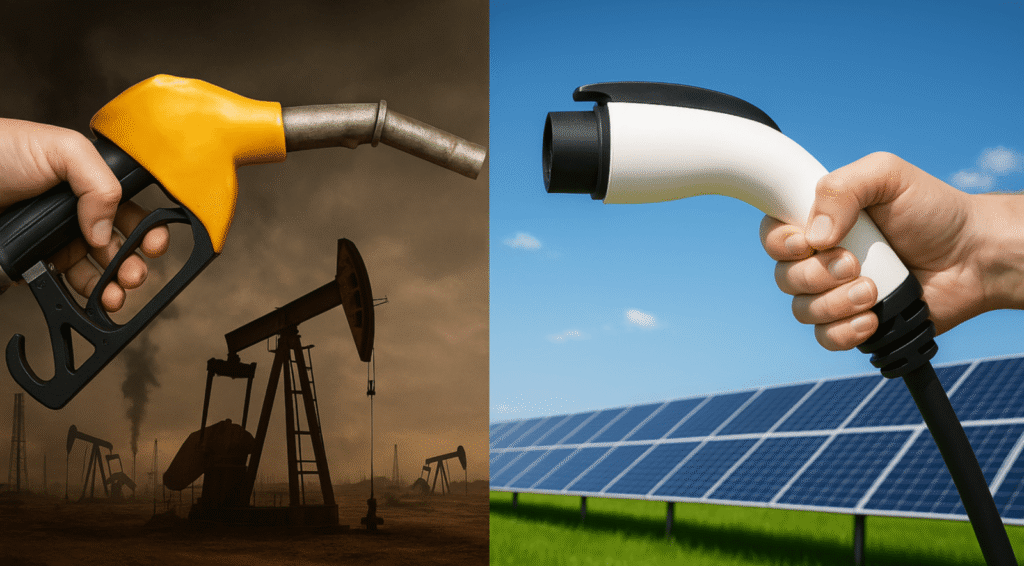
There is, however, a silver lining in the Western hemisphere. While the automotive sector grapples with software delays, the American energy grid is undergoing a quiet, massive revolution. Wind and solar power installation rates are soaring across the United States, continuously breaking previous generation records. This massive influx of clean, cheap electricity means that when the EV transition finally matures, the grid will be more than ready to support it with sustainable power. But this contrasting reality raises a pressing question: what good is a clean grid if the revolutionary vehicles we were promised are stuck in development hell? The disparity between the rapid deployment of utility-scale renewables and the sluggish progress of autonomous vehicle technology highlights a deep bottleneck in the American tech sector.
The transition to a clean, autonomous future is not a straight line. It is a chaotic battleground of competing technologies, geopolitical rivalries, and regulatory hurdles. For a complete breakdown of these dramatic industry shifts, check out the latest Quick Charge broadcast on YouTube, where experts dissect what this means for investors, consumers, and the environment. Tesla must regain its footing soon, or risk being completely overshadowed by the twin forces of Chinese battery innovation and the unstoppable rise of domestic green energy.