The Shocking Collapse of the Tesla Robotaxi Fleet
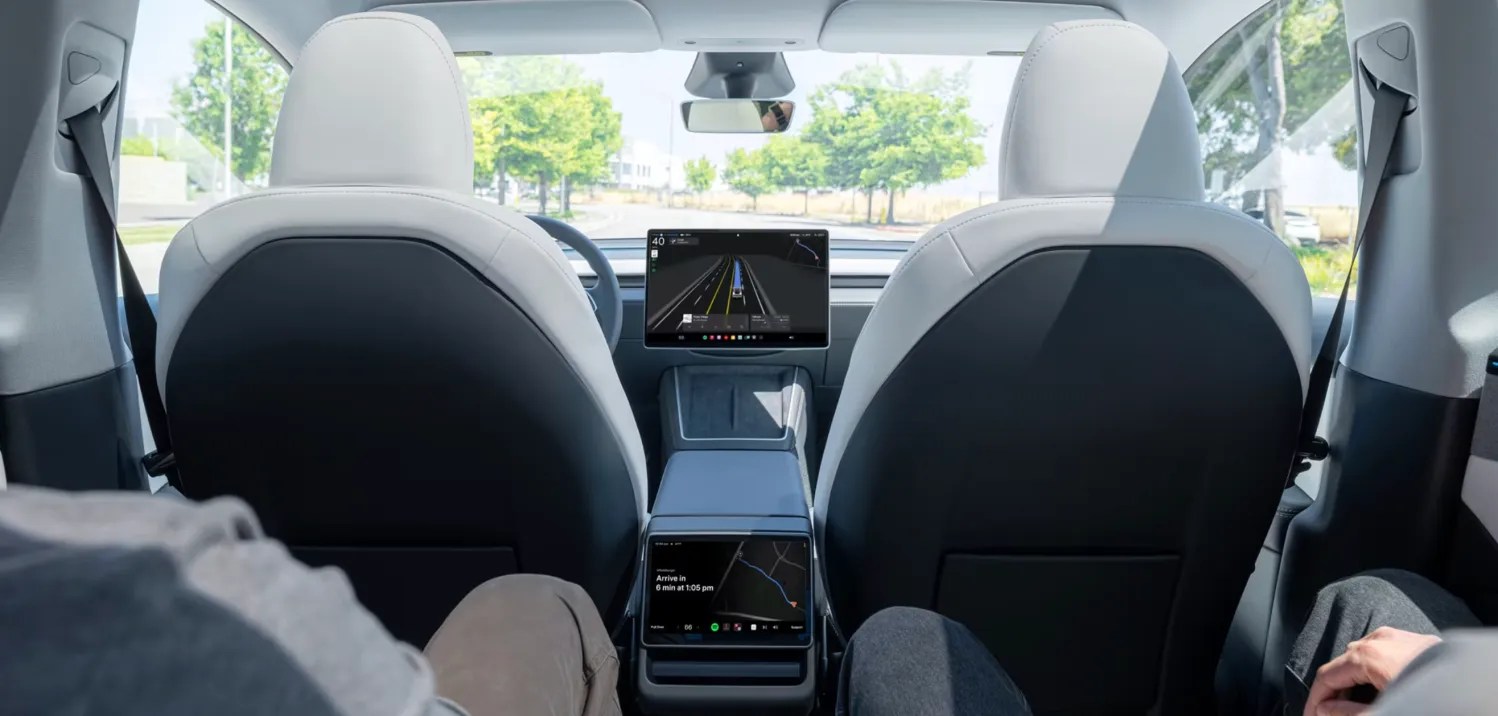
For years, tech visionary Elon Musk has painted a utopian picture of the future: a world where your Tesla works for you while you sleep, earning passive income as an autonomous ride-hailing vehicle. The ‘Robotaxi’ dream was supposed to revolutionize global transit, disrupt rideshare giants like Uber, and skyrocket Tesla’s market valuation into the stratosphere. But a stunning turn of events has sent shockwaves through the electric vehicle community. New data reveals that instead of expanding, the highly anticipated Tesla Robotaxi fleet is actually imploding.
Just weeks after initial reports suggested that Tesla’s unsupervised autonomous testing was finally gaining some momentum, the latest metrics have delivered a devastating blow. According to real-time data from the Robotaxi Tracker, the dream of a massive, self-driving armada is rapidly evaporating, leaving investors and tech enthusiasts wondering if the autonomous revolution has stalled before even reaching the starting line.
The Brutal Numbers: A Fleet in Freefall
The hard data is incredibly difficult to ignore. In late April, optimistic reports indicated that Tesla had managed to accumulate a modest fleet of 25 unsupervised ‘Robotaxis’ actively running tests on public roads. While that number was already a far cry from the millions of autonomous vehicles Musk famously predicted would be on the roads by 2020, it at least represented progress. However, the newest update reveals that the active unsupervised fleet has plummeted by 20 percent, dropping to a mere 20 vehicles worldwide.
Even more alarming is the state of Tesla’s broader ride-hailing ambition. When looking at the total active fleet across all of Tesla’s experimental ride-hailing operations—including both supervised and unsupervised test cars—the numbers have absolutely cratered. The entire network has collapsed to just 34 active vehicles. For a multi-billion-dollar automotive empire that has staked its entire financial valuation on solving Full Self-Driving (FSD), these microscopic fleet numbers are not just embarrassing; they are a code-red emergency for stakeholders.
To put this in perspective, competitors like Alphabet’s Waymo are already operating thousands of commercial, completely driverless rides every single week in major metropolitan areas. Tesla’s shrinking presence suggests a profound roadblock in their autonomous strategy. You can read the full breakdown of this sudden decline on Electrek.
Why Is Elon Musk’s Autonomous Dream Evaporating?
Industry analysts are scrambling to understand why Tesla’s fleet is shrinking rather than scaling. Several critical factors appear to be playing a role in this sudden contraction:
- Severe Regulatory Roadblocks: Government agencies are tightening the screws on unsupervised autonomous vehicles. Without steering wheels or pedals, getting approval for public road testing has become an administrative nightmare.
- The FSD Software Plateau: Despite frequent updates to the Full Self-Driving Beta software, edge-case scenarios continue to baffle the neural networks. Unsupervised operation requires a level of safety that Tesla’s current vision-only system may still struggle to achieve consistently.
- Hardware and Maintenance Bottlenecks: Keeping a fleet of highly advanced autonomous vehicles operational requires immense localized support, something Tesla’s current infrastructure is not fully optimized to handle.
The implications of this contraction are massive. If Tesla cannot scale its testing fleet beyond a handful of cars, the timeline for a commercial, nationwide Robotaxi launch will be pushed back by years, if not decades. For now, the dream of turning your driveway asset into an autonomous cash machine remains firmly out of reach, locked away behind technical hurdles and shrinking test fleets.