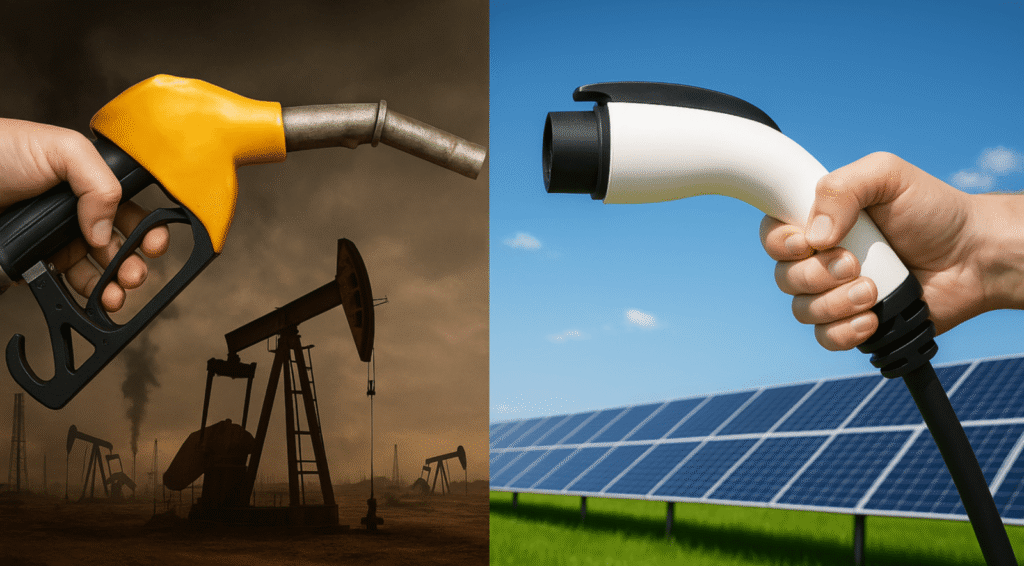
The global energy landscape is standing on the precipice of a historical transformation that many experts thought we would not see for another half-century. For decades, natural gas has reigned supreme as the undisputed king of electrical generation, providing a reliable, fossil-fueled backbone to grids worldwide. However, according to stunning new data, the reign of fossil fuels is coming to an abrupt, shocking end. The green energy revolution is moving faster than anyone anticipated, and natural gas is officially on the chopping block.
The Green Revolution: How Renewables Are About to Obliterate Fossil Fuels
According to a comprehensive review of newly released US Energy Information Administration (EIA) data analyzed by the SUN DAY Campaign, the United States is rapidly approaching a monumental tipping point. When factoring in both utility-scale operations and small-scale solar installations, renewable energy capacity is on an unstoppable trajectory. The latest projections indicate that clean energy will completely surpass natural gas in total electrical generating capacity by early 2027. This represents a monumental shift in how humanity powers its future, dealing a devastating blow to traditional fossil fuel giants who have lobbied for years to keep coal and gas at the center of the grid.
For years, detractors of green energy claimed that wind and solar were too unstable, too expensive, and too insignificant to ever truly compete with the raw power of fossil fuels. But the numbers do not lie. The rapid decline in manufacturing costs for solar panels, paired with unprecedented government incentives, has created an economic environment where building new fossil fuel infrastructure simply no longer makes financial sense. Utilities, corporations, and everyday citizens are voting with their wallets, choosing the efficiency and sustainability of clean power over the volatile pricing of natural gas.
The Shocking EIA Numbers That Have Fossil Fuel CEOs Panicking
The latest EIA data paints a terrifying picture for traditional energy executives who have failed to adapt. The SUN DAY Campaign’s analysis highlights that wind, solar, biomass, and hydropower are expanding at an exponential rate. Specifically, solar power has emerged as the primary catalyst for this historic transition. What makes this data particularly groundbreaking is the inclusion of small-scale solar systems—such as residential rooftop arrays and local community solar gardens—which are often overlooked in major utility reports but are collectively generating massive amounts of clean electricity.
Consider the sheer velocity of this transition. Over the next few years, massive wind farms and sprawling solar fields will continue to plug directly into the national grid, while millions of homeowners install their own localized power generators. This decentralized approach to energy distribution is creating a resilient grid that is less vulnerable to centralized blackouts and fossil fuel supply chain disruptions. The threat to natural gas is no longer a distant theoretical scenario; it is an imminent reality scheduled to arrive in less than three years.
Why Small-Scale Solar is the Secret Weapon Changing Everything
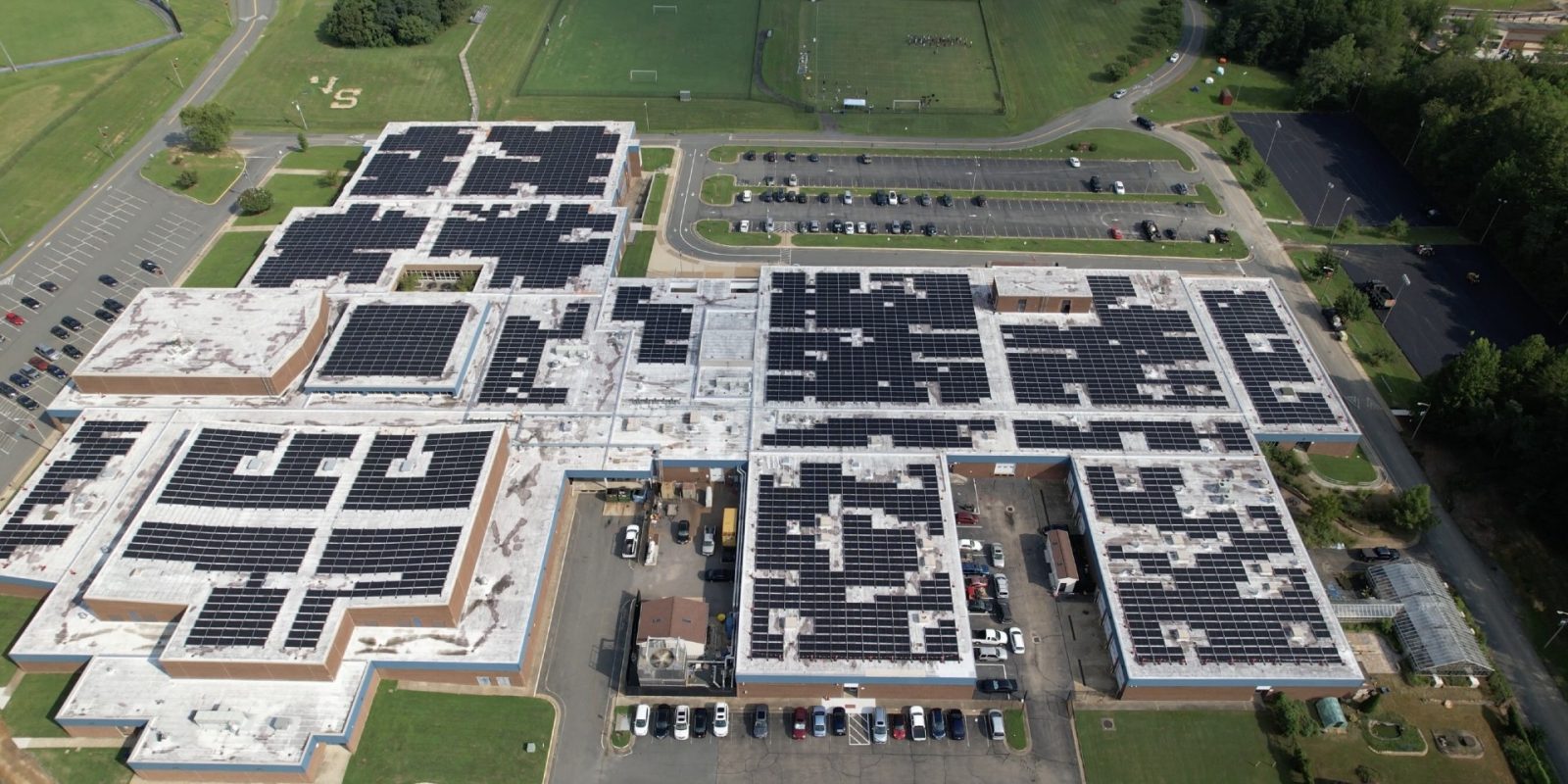
While utility-scale wind and solar installations get most of the media headlines, it is the quiet boom of small-scale solar that is acting as the true secret weapon in this energy war. Millions of decentralized rooftop systems are taking the pressure off public utility grids, allowing communities to generate, store, and consume their own power locally. According to reports from Electrek, this grassroots energy surge is the final puzzle piece needed to permanently dethrone natural gas.
The benefits of this rapid expansion go far beyond just saving the planet from carbon emissions. Here is what this massive energy shift means for the average consumer:
- Lower Energy Bills: As renewable energy capacity increases, the cost of electricity is expected to plummet, offering relief to households struggling with inflation.
- Energy Independence: Decentralized solar power means communities are no longer at the mercy of geopolitical conflicts that spike fossil fuel prices.
- Job Creation: The clean energy sector is creating millions of high-paying jobs in installation, manufacturing, and grid modernization, outpacing fossil fuel job growth.
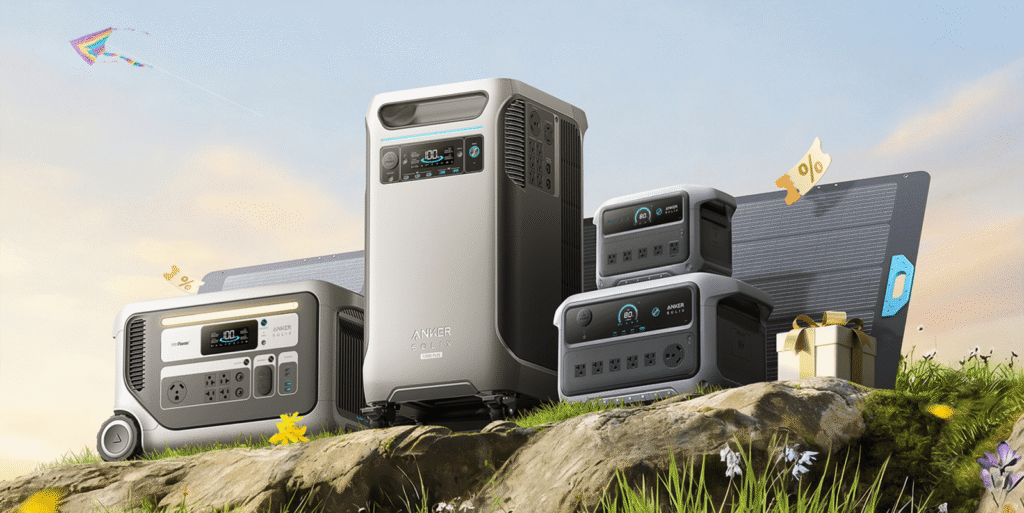
- Grid Reliability: Battery storage systems paired with solar generation are preventing blackouts during extreme weather events.
As we march toward the year 2027, the momentum behind renewable energy capacity shows absolutely no signs of slowing down. The fossil fuel era is entering its twilight, and those who fail to transition to the new green economy risk being left behind in the dark.