The Shocking Rebranding: Tesla Finally Admits the Truth in China
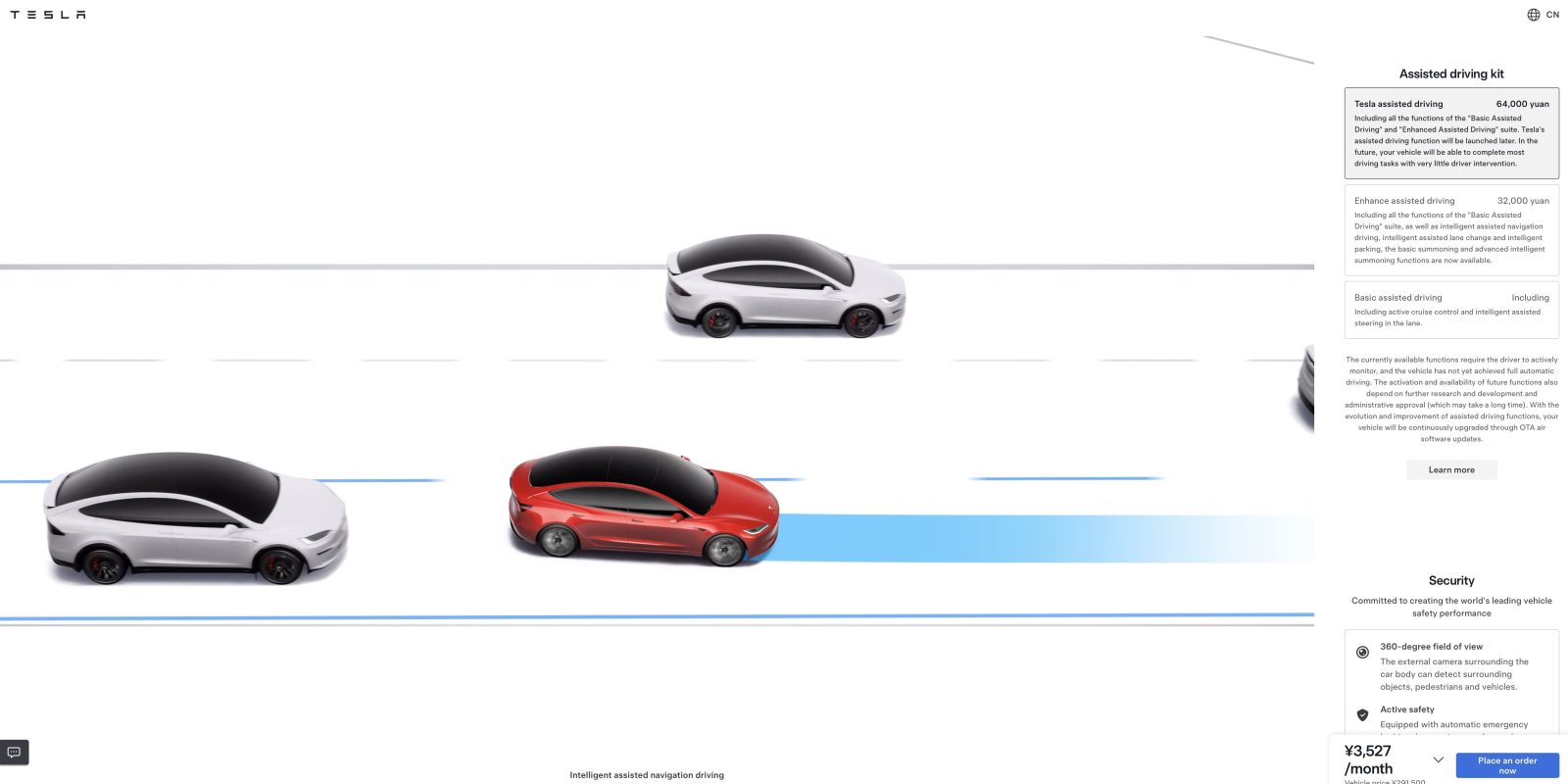
In a stunning move that has sent shockwaves through the electric vehicle industry, Tesla has quietly rebranded its flagship Full Self-Driving (FSD) system in China. Long criticized for using misleading marketing terminology, the Elon Musk-led automaker has finally capitulated to regional pressures, swapping out the highly controversial ‘FSD’ moniker for a far more accurate and legally compliant title: ‘Tesla Assisted Driving’. This sudden shift raises massive questions about the future of autonomous vehicles and the growing divide between Tesla’s marketing hype and actual technological capability.
For years, safety advocates, global regulators, and consumer rights groups have sounded the alarm over the term ‘Full Self-Driving.’ Despite its ambitious name, the software is classified globally as a Level 2 driver assistance system. This means it requires constant, active driver supervision, and the human behind the wheel remains legally liable for any incidents. By adopting the name ‘Assisted Driving’ in China, the world’s largest automotive market, Tesla has effectively conceded that its vehicles are not, in fact, capable of driving themselves without human intervention.
Why China Forced Tesla’s Hand: Regulations and Fierce Rivalry
China is not just a massive market for Tesla; it is also a crucible of intense regulatory scrutiny and brutal competition. Local electric vehicle juggernauts like BYD, Xiaomi, and Huawei-backed brands are aggressively deploying their own advanced driver assistance systems (ADAS). These domestic competitors often market their systems with highly specific, technically accurate terminology mandated by Chinese regulatory agencies. China’s strict advertising laws require companies to be transparent about what their technology can and cannot do to prevent accidents caused by user over-reliance.
According to Electrek’s initial report, this name change represents a major victory for truth in advertising. In a landscape where consumer safety is paramount, misleading terms can lead to catastrophic consequences. The Chinese government has been tightening the screws on autonomous driving classifications, pushing foreign automakers to adopt highly transparent labels. Tesla’s pivot to ‘Assisted Driving’ is a strategic survival tactic to avoid severe regulatory backlash, potential fines, and a public relations nightmare in its most vital growth market.
The Global Fallout: Will North America Be Next?
Tesla’s renaming of FSD in China begs a massive question: will this honest rebranding strategy spread to North America and Europe? Currently, in the United States, Tesla continues to market and sell ‘Full Self-Driving (Supervised).’ Despite the parenthetical ‘Supervised’ tag, critics argue the name remains inherently deceptive. The National Highway Traffic Safety Administration (NHTSA) has launched numerous investigations into Tesla Autopilot and FSD crashes, yet has stopped short of forcing an outright name change.
However, the tide may be turning. California’s Department of Motor Vehicles has previously accused Tesla of false advertising regarding its autonomous driving claims. With China successfully establishing a precedent of honesty, regulatory bodies around the globe are likely to feel emboldened to demand similar concessions from Tesla.
Let us look at the key differences this name change highlights:
- Consumer Expectations: Calling it ‘Assisted Driving’ sets a realistic boundary, reducing dangerous ‘driver distraction’ accidents.
- Legal Liability: The new name explicitly aligns with Level 2 ADAS classification, protecting both the consumer and the brand from legal ambiguity.
- Market Adaptation: Tesla is showing a willingness to bend its rigid global marketing rules to appease crucial foreign regulators.
- Competitive Parity: By dropping the hyperbole, Tesla must now compete purely on technological performance rather than linguistic bravado against local Chinese rivals.
As Tesla navigates this delicate regulatory transition, the global automotive community is watching closely. Whether this is a temporary tactical retreat or the beginning of a massive global shift in how driving technology is marketed remains to be seen. But for now, in China, the truth has finally won.