The Day Solar Panels Broke the Laws of Physics
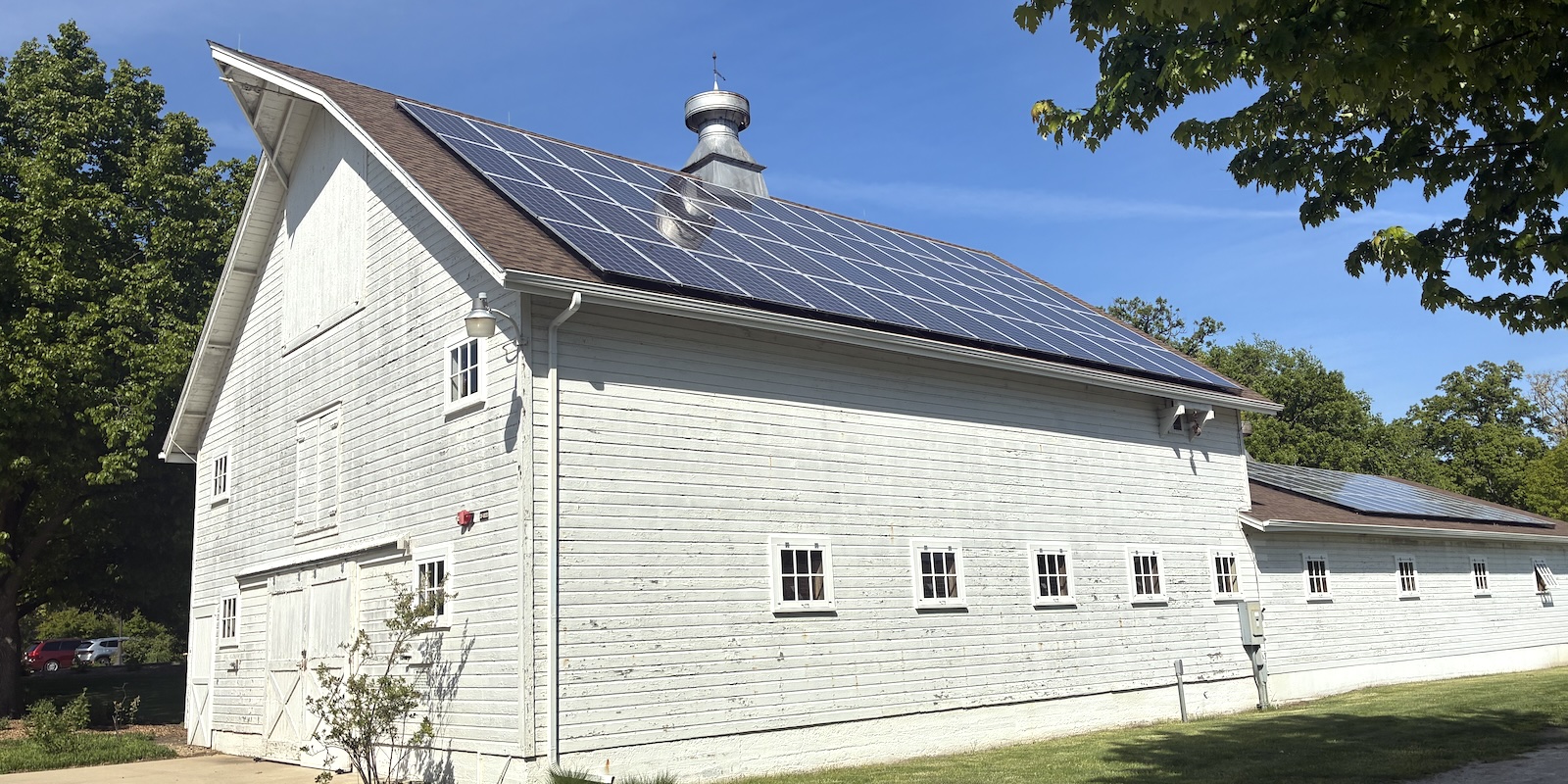
Imagine waking up, opening your favorite smart home monitoring app, and discovering that your modest DIY rooftop solar array is suddenly generating way more power than is scientifically possible. For one shocked homeowner on Reddit, this wild scenario became a reality this week. The user posted a mind-blowing screenshot showing their modest 880-watt photovoltaic (PV) system suddenly screaming past its maximum rated capacity to pump out an unbelievable 1,050 watts of clean energy. How could a system perform at almost 120% efficiency without melting down or violating the core laws of thermodynamics?
The internet immediately erupted with wild conspiracy theories, guesses of faulty wiring, and jokes about alien technology. But the actual explanation behind this bizarre energy surge is both scientifically fascinating and incredibly rare. It turns out that under the right atmospheric conditions, nature can turn your standard rooftop setup into an absolute supercharged powerhouse.
What is the Cloud Enhancement Effect?
To understand how this mind-boggling event occurred, we have to look closely at a rare meteorological phenomenon known as the ‘cloud enhancement effect’ or the ‘edge-of-cloud’ effect. Most people assume that cloudy weather is the ultimate enemy of solar power generation. While heavy overcast skies certainly slash energy production, the transition zones around clouds can actually act as giant cosmic magnifying glasses.
When giant, puffy white cumulus clouds drift near the sun, they do not just block light—they reflect it. The highly reflective ice crystals and water droplets acting on the silver linings of these clouds bounce extra sunlight directly down to earth. This reflected light combines with the direct sunlight already hitting the panels, creating a massive, concentrated burst of solar irradiance that can easily exceed standard test conditions (STC) of 1,000 watts per square meter.
In this specific case, the Redditor’s 880W system was suddenly assaulted by an intense, hyper-concentrated beam of reflected sunlight. The result? A massive power spike that temporarily pushed their microinverters and solar cells to absolute maximum capacity, defying expectations and generating over 1,050W of power.
Can This Power Surge Damage Your Home Solar System?
With such a massive influx of unexpected energy, many homeowners would rightfully worry about their system catching fire, blowing fuses, or frying delicate microinverters. Thankfully, modern green energy hardware is built to handle these exact types of extreme, real-world anomalies.
Here are a few reasons why your solar panels won’t explode during a cloud enhancement event:
- Inverter Clipping: Most modern solar inverters are designed to cap power generation at a safe limit, a process known as clipping.
- Thermal Protection: Quality solar panels have built-in bypass diodes and smart thermal regulators to prevent localized overheating.
- Over-Provisioning: Reputable installers often pair slightly larger solar arrays with smaller inverters to optimize daily yields safely.
- Robust Wiring: Home electrical codes require heavy-duty wiring that can easily withstand brief surges of extra current.
While these sudden spikes are thrilling to witness on a tracking app, they are usually very short-lived. As the cloud continues to drift across the sky, the alignment shifts, the magnification effect fades, and the system gracefully drops back down to its standard operating levels. However, for a few glorious minutes, this lucky homeowner was essentially harvesting supercharged solar energy directly from a natural cosmic mirror.
If you are looking to build your own high-performance system, it is vital to keep track of these crazy weather anomalies. Make sure to check out the original discussion on Electrek to see what other solar enthusiasts are saying about this wild, physics-bending event. As extreme weather events become more common, who knows what other surprises our atmosphere has in store for the future of renewable energy?