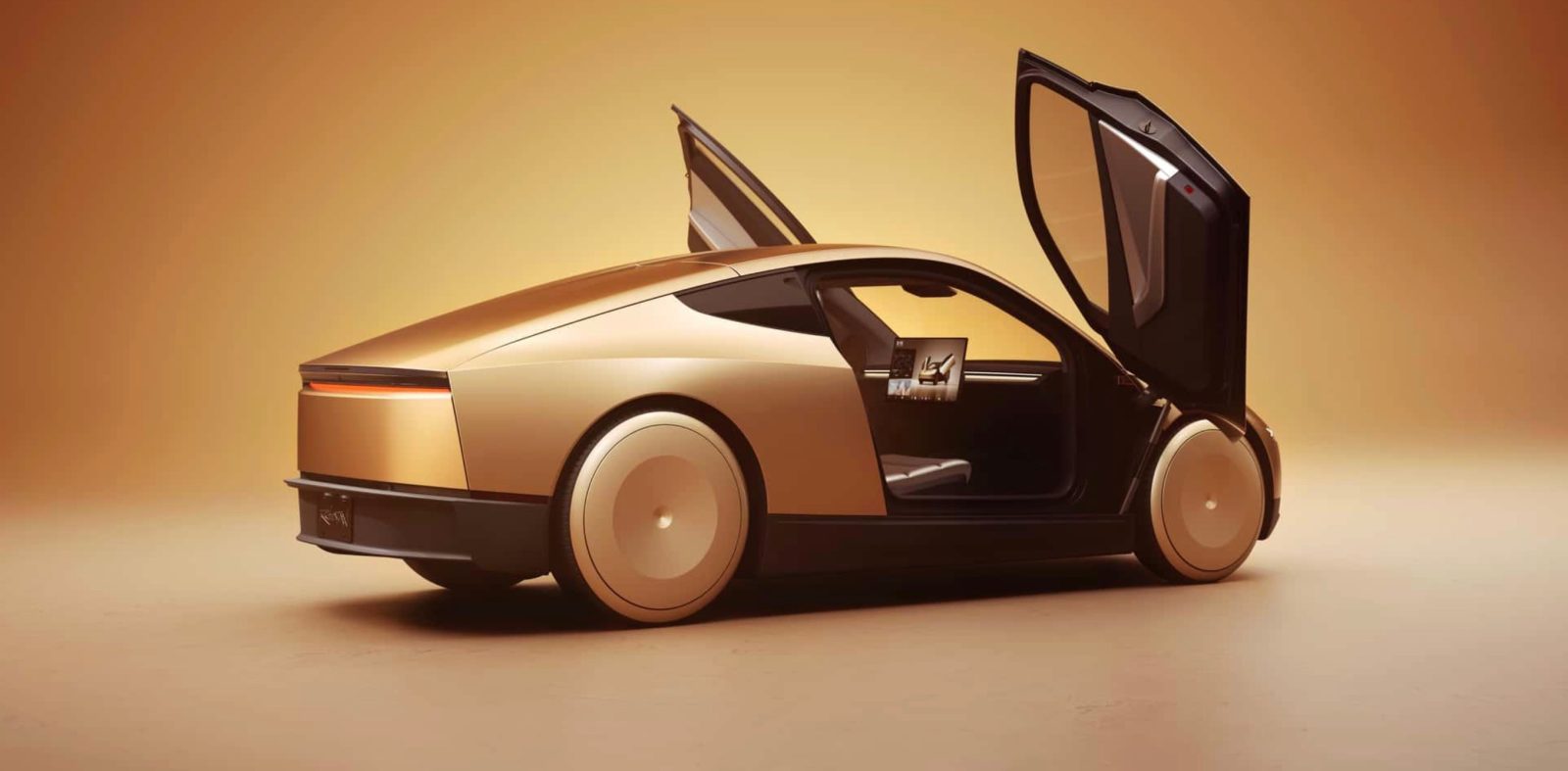
The global electric vehicle war has just been completely upended by a shocking announcement from Texas. While legacy automakers are struggling to convince skeptical consumers to buy heavy, lumbering electric SUVs, Elon Musk’s Tesla has just dropped an engineering bombshell that has left rival CEOs absolutely shaking. The upcoming Tesla Cybercab has officially been certified at an absolutely mind-boggling 165 Wh/mi. This incredible milestone officially crowns it as the single most efficient electric vehicle ever produced. It doesn’t just beat the competition; it completely obliterates them.
How Tesla Left the Entire EV Industry in the Dust
For years, the Holy Grail of EV engineering has been maximizing efficiency—squeezing every single drop of range out of every kilowatt-hour of battery capacity. Lucid Motors was widely considered the undefeated king of this domain, with the gorgeous Lucid Air Pure holding the crown. However, Tesla’s newly certified numbers show that the Cybercab consumes a staggering 28% less energy per mile than the Lucid Air Pure. This is not just a minor, incremental improvement; it is a massive generational leap that many mainstream automotive experts deemed physically impossible just a few years ago.
Tesla VP of Vehicle Engineering, Lars Moravy, recently confirmed the historic figure, emphasizing that this represents a certified rating rather than a mere marketing claim or an optimistic internal target. The announcement sent shockwaves through Wall Street, proving that Tesla’s powertrain technology remains lightyears ahead of both legacy Detroit auto brands and premium European imports.
The Secret Engineering Behind the 165 Wh/mi Record
How did Tesla’s engineering team pull off this seemingly miraculous feat? The answer lies in extreme, uncompromising minimalist engineering. Every single aspect of the Cybercab has been optimized to reduce aerodynamic drag, eliminate parasitic power draw, and maximize thermal efficiency. The vehicle utilizes a radical, highly integrated drive unit coupled with cutting-edge aerodynamics that allow the car to slice through the air with minimal resistance.
To put this in perspective, typical electric sedans struggle to get under 250 Wh/mi, and many popular electric SUVs devour over 350 Wh/mi. By operating at a mere 165 Wh/mi, the Cybercab redefines what is possible, proving that hyper-efficiency is the ultimate weapon in solving grid congestion and lowering operating costs for future transport networks.
The Massive Catch: What Tesla Isn’t Telling You
While the headline-grabbing 165 Wh/mi figure is a triumph, it comes with a massive, unavoidable asterisk that potential buyers and tech enthusiasts must face. Tesla achieved this world-record efficiency by stripping away almost everything that makes a modern car, well, a car. The Cybercab is a tiny, ultra-lightweight two-seat robotaxi. It has absolutely no steering wheel, no physical pedals, and relies on a sub-50 kWh battery pack. It is designed solely for autonomous ride-hailing networks, meaning it is not a traditional personal vehicle you can just buy and drive to the grocery store yourself.
Furthermore, critics point out that operating a steering-wheel-less vehicle on public roads still faces massive regulatory hurdles across the globe. You can read more about the unfolding story and its implications on the Electrek source report.
To summarize this paradigm-shifting vehicle, here is what makes the Cybercab so radically different:
- Unprecedented Efficiency: A certified rating of just 165 Wh/mi.
- Industry Dominance: Consumes 28% less energy per mile than the Lucid Air Pure.
- Ultra-Minimalist Design: A tiny two-seat cabin with no steering wheel or pedals.
- Right-Sized Battery: Equipped with a highly efficient, sub-50 kWh battery pack to minimize weight.
Whether the Cybercab represents the ultimate future of urban transportation or is simply a highly specific engineering trick designed to win headlines remains to be seen. However, one thing is certain: Elon Musk has once again forced the entire automotive world to react to Tesla’s shocking technological capabilities.