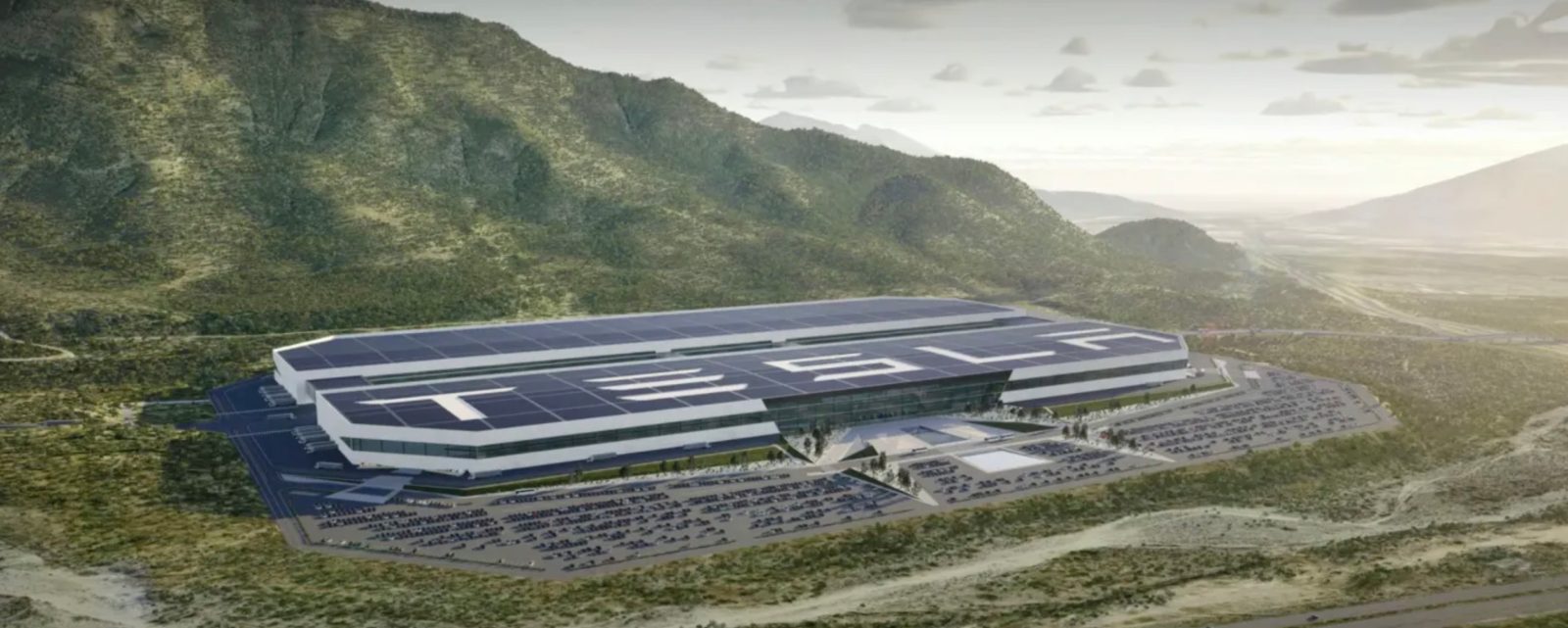
The dream is officially dead. In a shocking twist that has sent shockwaves through the global automotive market and geopolitical landscape, electric vehicle giant Tesla has definitively pulled the plug on its highly anticipated Indian manufacturing facility. What was once hailed as the ultimate economic partnership has devolved into a massive saga of broken promises, leaving the Indian government and millions of eager EV enthusiasts completely empty-handed.
The Ultimate EV Heartbreak: Tesla Abandons India After 10 Years
For nearly a decade, the relationship between Elon Musk’s Tesla and the Indian government has been a rollercoaster of high-stakes negotiations, public flirting, and dramatic stalemates. But on May 19, the curtain finally fell. India’s Minister of Heavy Industries, H.D. Kumaraswamy, confirmed the devastating news: Tesla will not be building a factory in India. This official confirmation marks the definitive end to one of the longest-running and most agonizing ‘will-they-won’t-they’ narratives in modern corporate history.
For years, rumors swirled that Tesla was on the verge of announcing a multi-billion-dollar Gigafactory in the region. Speculation reached a fever pitch as various Indian states actively competed to offer the most lucrative land deals and tax incentives. Yet, despite the hype, the deal has collapsed into nothingness. How did a massive win-win scenario turn into such a monumental failure?
The Broken Promises: Inside the Decade-Long Saga
The roots of this catastrophic failure go back almost ten years. Since the mid-2010s, Elon Musk has openly expressed a desire to enter the Indian market—the world’s third-largest automotive market. However, Tesla’s strategy was always to import cars first to test demand before committing to a massive capital expenditure like a domestic manufacturing plant. This strategy immediately clashed with India’s strict protectionist policies.
The Indian government, determined to boost its domestic ‘Make in India’ initiative, refused to lower its staggering import taxes—which can reach up to 100% on imported luxury vehicles—unless Tesla committed to building a local factory first. What followed was a decade of intense lobbying, secret meetings, and public tweets. At one point, Elon Musk famously claimed that Tesla was facing ‘significant challenges’ with the government. Although temporary tax cuts on limited imports were briefly discussed, the fundamental trust between both parties had already eroded. The official abandonment of the project highlights a deep-seated disconnect between Tesla’s agile global expansion goals and India’s rigid regulatory framework.
A Devastating Blow to India’s EV Dreams
The fallout from this decision is catastrophic for India’s ambitious goal of transitioning 30% of its private car sales to electric vehicles by 2030. Without a powerhouse like Tesla leading the charge, the transition could face severe delays. While local giants like Tata Motors and Mahindra continue to scale their EV offerings, they lack the global brand appeal and state-of-the-art supercharging network that Tesla would have brought to the subcontinent.
Furthermore, this high-profile exit sends a chilling message to other global tech giants looking to invest in India. If the world’s most valuable automaker cannot navigate the bureaucratic red tape and regulatory hurdles of the Indian market, who can? Critics argue that India’s uncompromising stance on import duties may have cost the country tens of thousands of high-tech jobs and billions in foreign direct investment.
Meanwhile, Tesla appears to be shifting its focus back to optimizing its existing facilities in China, the United States, and Germany, alongside developing its next-generation autonomous robotaxi fleet. As Elon Musk looks toward an AI-driven future, India is left to pick up the pieces of a broken dream, wondering what could have been if both sides had been willing to compromise.