The Shocking Death of the Gas Engine: Why 2026 is the Point of No Return
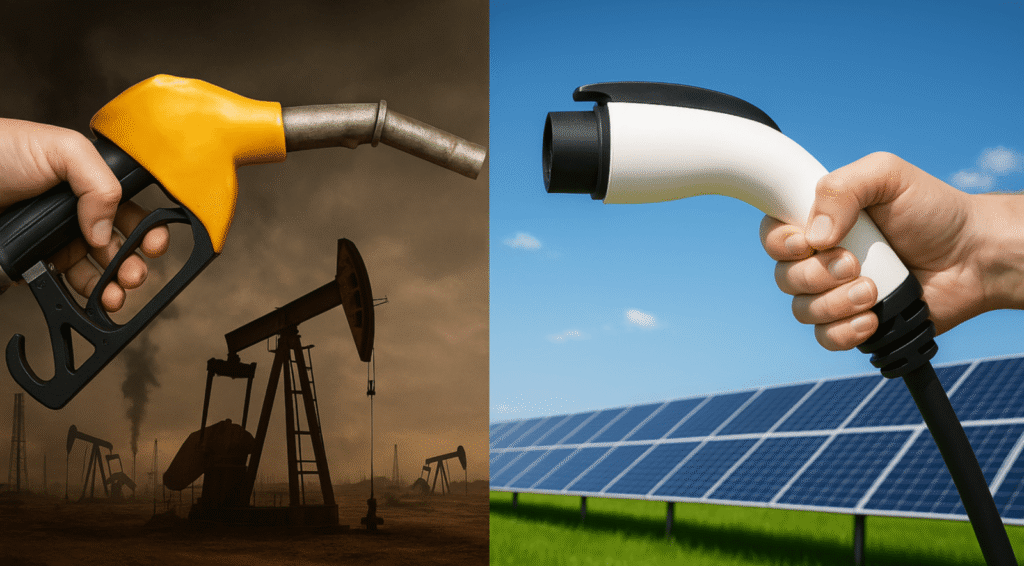
The mainstream media tried to convince you that the electric vehicle revolution was dead. They cried about ‘slowing demand,’ ‘dealership pileups,’ and ‘range anxiety’ to keep you hooked on fossil fuels. But the cold, hard numbers just leaked, and they tell a completely different story—one of absolute dominance. According to the groundbreaking new Global EV Outlook from the International Energy Agency (IEA), we are currently witnessing the most violent shift in automotive history. By the end of 2026, global electric vehicle sales are projected to skyrocket to a mind-blowing 23 million units. This isn’t just a minor trend; it is a full-scale extinction event for traditional internal combustion engines.
Think about it: nearly 30% of all new cars sold globally by the end of this year will be fully electric or plug-in hybrids. That means nearly one out of every three new vehicles hitting the pavement will be powered by electrons, not fossil fuels. If you still believe gas-guzzlers have a long-term future, you are actively ignoring the fastest market transition since the smartphone replaced the flip phone. The old guard is crumbling, and the data proves it.
The Secret Numbers the Oil Giants Tried to Hide
For the past few years, traditional oil conglomerates and legacy automakers have been quietly praying for an EV slowdown. They spun narratives, funded biased research, and pointed to temporary plateaus to protect their trillions in oil revenues. But the IEA’s data has utterly shattered those hopes. In 2025 alone, global electric vehicle sales topped an unprecedented 20 million units. That represented a massive 20% year-over-year surge, meaning that one in every four new cars sold worldwide was already electric. Now, as we race through 2026, that momentum is accelerating beyond anyone’s wildest expectations.
What is driving this unstoppable surge? It is a perfect storm of crashing battery costs, aggressive government mandates, and a massive wave of ultra-affordable, highly advanced new electric cars. Brands like BYD and Tesla are leading a brutal price war, driving the cost of high-end EVs down to parity with—and in some cases, cheaper than—outdated petrol alternatives. Consumers are finally waking up to the reality that electric cars are not just better for the environment; they are vastly superior machines that are cheaper to run, faster to accelerate, and infinitely cooler to own.
What This Means for the Future of Your Wallet
If you are planning to buy a new car in 2026, the decisions you make today could cost you tens of thousands of dollars tomorrow. The residual value of internal combustion engine (ICE) cars is poised to plummet off a cliff. Who will want to buy a used gas car in five years when the infrastructure has shifted entirely to electric? Legacy carmakers who failed to pivot are now staring down the barrel of financial ruin, while the latest IEA report on global EV trends proves that the electric transition is completely irreversible.
Let’s look at the cold hard facts that prove the gas engine’s days are numbered:
- Unprecedented Market Share: EVs will capture nearly 30% of the global new-car market by the end of 2026.
- Exponential Growth: A massive leap from 20 million sales in 2025 to over 23 million in just twelve months.
- The Death of Resale Value: ICE vehicles are rapidly becoming depreciating liabilities as charging infrastructure blankets the globe.
- Crashing Technology Costs: Next-generation solid-state and sodium-ion batteries are set to make EVs cheaper than legacy gas cars by next year.
The writing is on the wall, and it is written in neon green. The ‘EV slowdown’ was nothing more than a temporary breather before the ultimate market takeover. Whether you are ready or not, the electric age is here, and it is moving at terminal velocity. Don’t get left in the exhaust fumes of history.