The Battle for Self-Driving Supremacy: Promises vs. Reality
The race to achieve complete vehicle autonomy has officially reached a fever pitch, but a massive gap has emerged between those who sell futuristic promises and those who actually deliver functional technology. For years, Tesla and its flamboyant CEO Elon Musk have captured global headlines with bold declarations about the imminent release of Full Self-Driving (FSD) capabilities. Once again, Musk is promising that true autonomy is just around the corner. But while Tesla enthusiasts wait for the tenth time, a quiet Swedish revolution is already taking place on public roads. Einride, led by visionary CEO Roozbeh Ghaffari, has effectively stolen Tesla’s self-driving thunder by deploying genuine Level 4 (L4) autonomous freight trucks today.
The transport industry is undergoing a paradigm shift, and the stakes could not be higher. Autonomous driving is no longer a sci-fi dream; it is an economic necessity that promises to slash logistics costs, improve road safety, and eliminate human driver fatigue. However, the path to achieving this reality has split into two very different approaches. On one side, we have Tesla’s passenger-car-centric, vision-only approach, which relies heavily on massive fleet data but has struggled to achieve regulatory sign-off for driverless operation. On the other side is Einride, which has designed a purpose-built autonomous electric transport system from the ground up, specifically targeting the commercial freight sector. While passenger vehicles present highly unpredictable chaotic environments, freight corridors offer a more controlled, highly lucrative avenue to prove autonomous capabilities.
Elon Musk’s Tenth FSD Promise: A Bold Claim or Groundhog Day?
During a recent announcement, Elon Musk doubled down on his long-standing promise, assuring the public that Tesla FSD will achieve complete, unsupervised autonomy by the end of the year. For seasoned industry analysts, this feels like Deja Vu. Musk has made similar ‘end of the year’ promises annually for nearly a decade, leading to skepticism among regulators, investors, and consumers alike. While Tesla’s FSD Beta has shown impressive incremental updates, it remains a Level 2 driver assist system, meaning the human driver must remain alert and ready to intervene at any split second. The transition from Level 2 to Level 4—where the vehicle can handle all driving tasks under specific conditions without human intervention—is a monumental engineering hurdle that Tesla has yet to cross commercially. You can follow the latest developments on these tech battles via the Quick Charge channel.
How Einride Achieved L4 Autonomy Today While Tesla Stalls
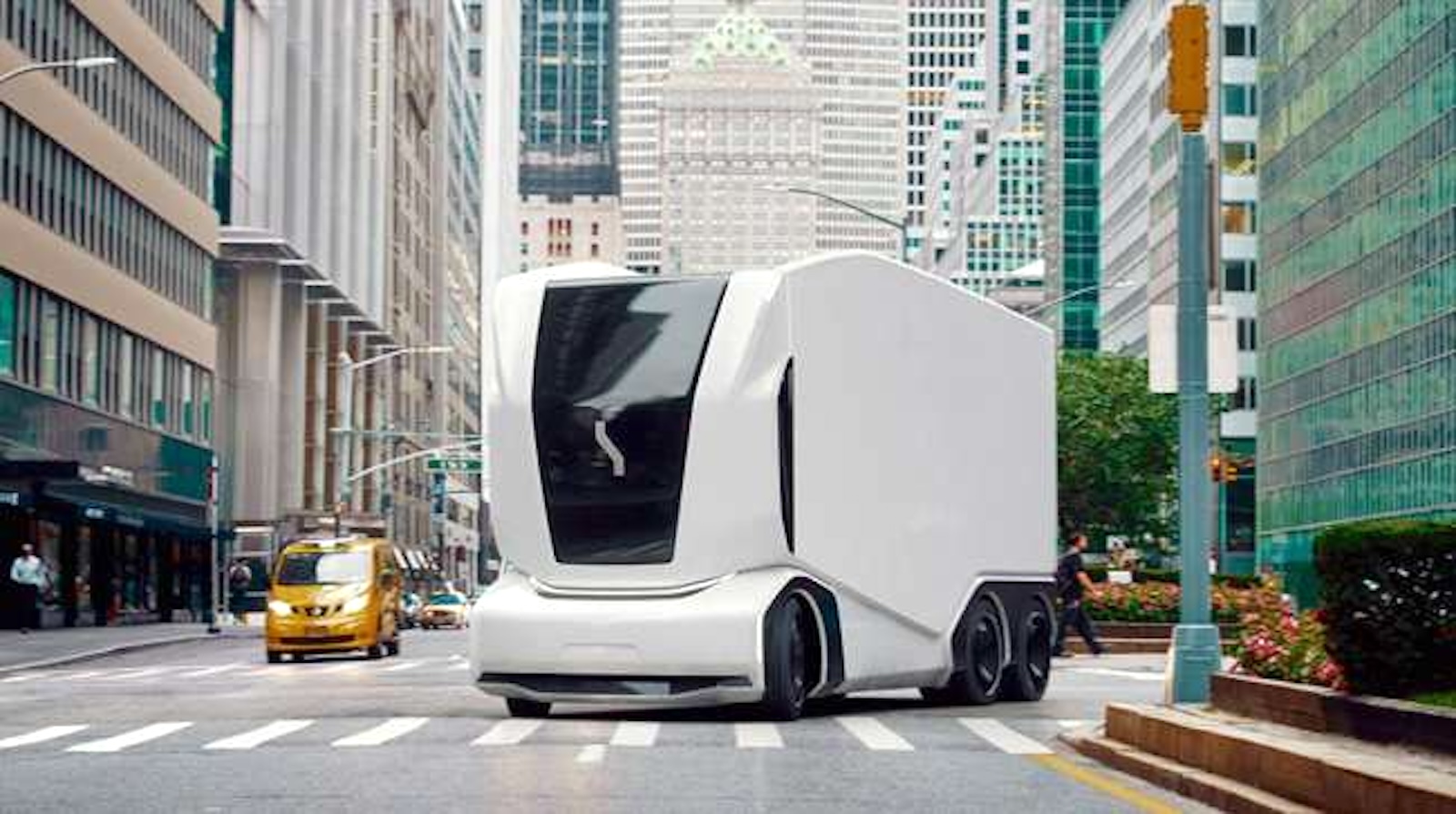
While Tesla continues to refine its algorithms on consumer vehicles, Einride has quietly taken the lead in the heavy-duty commercial trucking sector. Under the leadership of CEO Roozbeh Ghaffari, Einride has successfully deployed autonomous electric ‘Pods’ that operate without a physical driver’s cabin inside the vehicle. This is not a concept or a future projection—it is a reality happening today on public roads. By utilizing a sophisticated suite of sensors, including LiDAR, radar, and cameras, combined with a remote operator system, Einride has successfully unlocked Level 4 autonomy.
Here is how Einride is outmaneuvering Tesla in the self-driving race:
- Commercial Focus: By targeting heavy freight on specific routes, Einride bypassed the chaotic unpredictability of suburban passenger vehicle driving.
- Cab-less Design: Removing the driver’s cabin entirely reduces vehicle weight, optimizes aerodynamics, and maximizes cargo capacity.
- Remote Operators: Einride utilizes human remote operators who can monitor and take control of multiple vehicles if needed, satisfying safety regulators today.
- Regulatory Approval: Einride has obtained actual permits to operate on public roads in both Europe and the United States, proving their tech is ready for prime time.
Ultimately, the autonomous vehicle race will not be won by the company with the loudest hype cycle, but by the one that successfully deploys safe, reliable, and commercially viable technology first. Today, Einride holds the crown, leaving Tesla chasing dust in the freight lane.