How a Phone Company Just Humiliated Porsche and Tesla
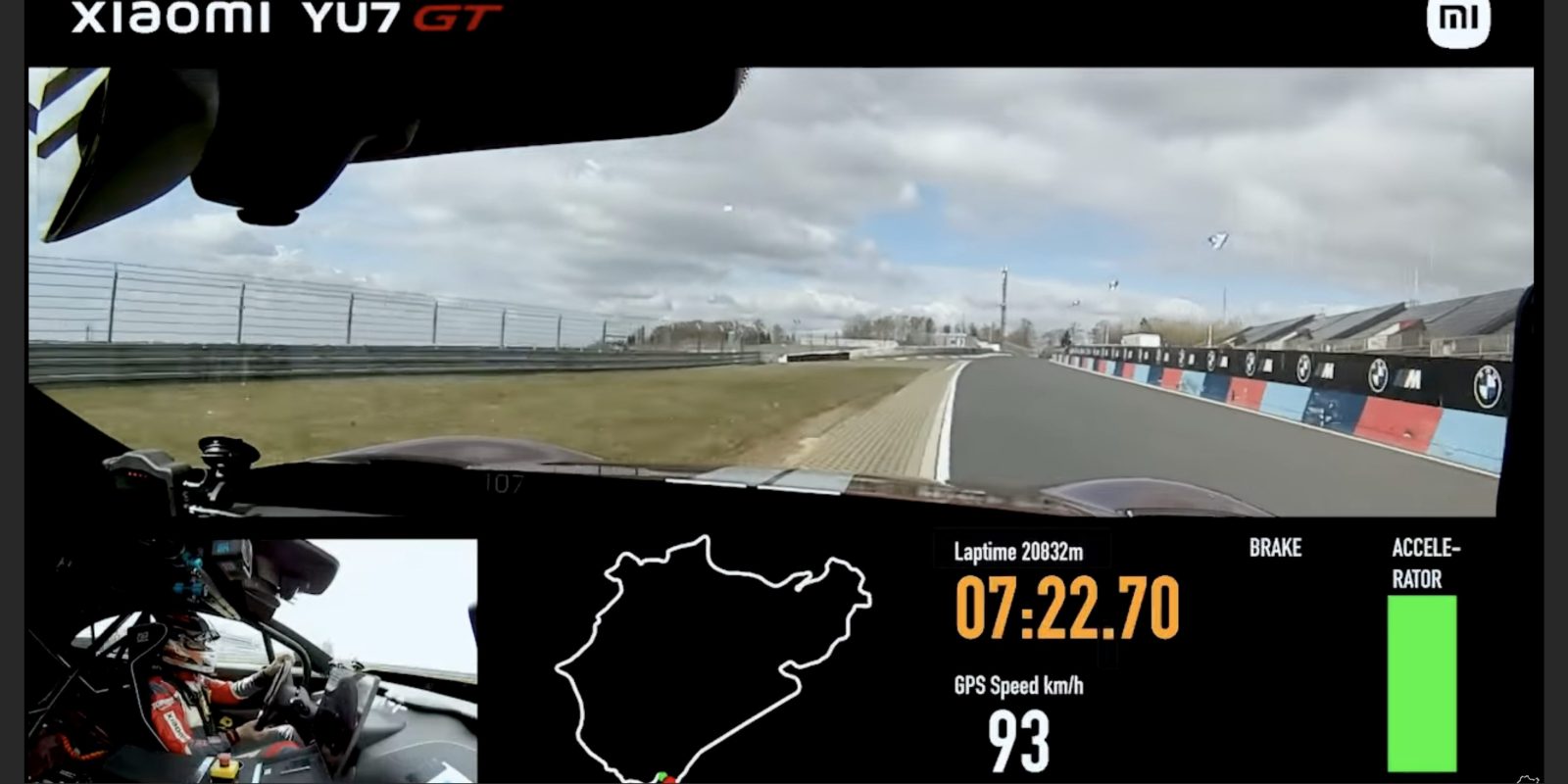
The automotive establishment is in absolute shambles. In a twist that sounds like science fiction, a company best known for manufacturing budget-friendly smartphones and smart home appliances has just marched into the ‘Green Hell’ and completely humiliated the most prestigious names in automotive history. Yes, Xiaomi has done it again. The Chinese tech giant has unleashed its second electric vehicle, the Xiaomi YU7 SUV, onto Germany’s legendary Nürburgring Nordschleife racetrack. What happened next has sent shockwaves through Stuttgart, Detroit, and Tokyo: the YU7 didn’t just break the record for the fastest SUV—it utterly annihilated it, beating every single gas-powered and electric SUV to ever touch the tarmac.
This is not a drill, and it is certainly not a fluke. For decades, legacy automakers have claimed that electric vehicles could never truly match the emotional thrill and sustained high-speed performance of traditional internal combustion engines, especially on a track as brutal and unforgiving as the Nürburgring. Yet, here is a consumer electronics brand, barely a few years into its automotive journey, rewriting the rulebook of physics. The sheer audacity of this achievement is hard to overstate.
The Record-Shattering Lap That Shocked the World
To understand the magnitude of this achievement, one must understand the Nürburgring. Known to racing drivers as the ‘Green Hell,’ this 12.9-mile gauntlet features over 70 terrifying corners, massive elevation changes, and zero room for error. It is the ultimate testing ground where multi-million dollar engineering budgets go to die. Yet, the Xiaomi YU7 tackled this monster with the cold, calculated precision of a supercomputer.
According to track data and official timing sheets, the YU7 moved with terrifying agility. What makes this story even more insane is the rapid escalation of Xiaomi’s dominance. Just hours after initial reports surfaced of their record-breaking lap, Xiaomi stunned onlookers by releasing a video of an even faster, more aggressive lap. They are not just competing; they are playing with their food. The legacy auto industry, which has spent a century perfecting suspension geometry and powertrain thermal management, is now staring at the taillights of a smartphone manufacturer.
Inside the Tech: How the YU7 Defies the Laws of Physics
How did they do it? The secret lies in Xiaomi’s proprietary electric motor technology and advanced chassis control. While traditional car companies build vehicles from the ground up with mechanical mindsets, Xiaomi treats the YU7 like a rolling supercomputer. The vehicle features ultra-high-torque electric motors that deliver instantaneous power, coupled with an active suspension system that reads the road thousands of times per second. This allows the heavy SUV to corner flatter than most low-slung sports cars.
Key features driving this revolutionary performance include:
- Next-generation tri-motor setup delivering unmatched horsepower
- Advanced thermal management that prevents battery degradation during intense track sessions
- State-of-the-art torque vectoring that defies centrifugal forces
- Seamless software integration that optimizes power delivery in real-time
The Threat to Porsche, Tesla, and Beyond
For brands like Porsche and Tesla, this is a code-red emergency. Porsche has long prided itself on track capability, using the Nürburgring as the ultimate marketing tool for its Cayenne and Taycan models. Tesla, with its Plaid track packs, has tried to claim EV dominance. But Xiaomi’s rapid development cycle is something the automotive world has never seen before. A typical car development cycle takes five to seven years. Xiaomi is moving at the speed of the smartphone industry, releasing updates, tracking data, and setting records at an unprecedented pace.
With the Xiaomi YU7 EV’s unprecedented performance, the gap between traditional automotive manufacturing and tech-driven smart mobility has officially closed. If a smartphone company can conquer the Green Hell on its second try, what stops them from dominating the global luxury car market next? Legacy carmakers better wake up, because the future isn’t just electric—it’s incredibly fast, highly connected, and built by tech giants who refuse to lose.