The global automotive industry is facing an unprecedented shakeup that is sending shockwaves from Silicon Valley to Brussels. In the latest episode of the Electrek Podcast, the veil was lifted on some of the most disruptive developments in sustainable transport and energy. From dramatic updates on Elon Musk’s elusive Tesla Robotaxi to the sudden launch of the Rivian R2 configurator, the EV landscape is shifting faster than traditional automakers can keep up. But perhaps the most terrifying news for Western legacy brands is China’s aggressive, silent takeover of European manufacturing plants. Is this the end of the traditional car market as we know it?
Tesla’s Robotaxi Shockwave and the Rivian R2 Unleashed
For years, Tesla has promised an autonomous driving revolution, and the latest updates on the Tesla Robotaxi suggest that Elon Musk is doubling down on this high-stakes gamble. As regulators scramble to understand the implications of thousands of driverless vehicles roaming metropolitan streets, Tesla is pushing forward with software updates designed to make human drivers entirely obsolete. Critics call it a dangerous experiment, while supporters view it as the ultimate leap into the future of urban transportation. The threat to rideshare giants like Uber and Lyft is palpable, and the economic ripple effects could be catastrophic for millions of gig workers worldwide.
Meanwhile, Rivian has fired a massive warning shot of its own. The highly anticipated Rivian R2 configurator has officially gone live, sparking a frenzy among EV enthusiasts. This budget-friendly electric SUV is aimed directly at the heart of Tesla’s dominant Model Y market share. With impressive range, rugged off-road styling, and a price tag that actually fits within middle-class budgets, the R2 could be the vehicle that finally catapults Rivian into mass-market profitability. The live configurator reveals customizable options that have sent reservation numbers skyrocketing, putting immense pressure on competitors to lower their prices or risk getting left behind in the dust.
The Red Menace: China’s Hostile Takeover of European EV Factories
While American manufacturers battle for domestic supremacy, an even larger geopolitical storm is brewing across the Atlantic. Chinese electric vehicle giants are no longer just exporting cars to Europe—they are actively buying up and taking over European factories. By establishing a direct manufacturing footprint within the European Union, Chinese automakers are brilliantly bypassing heavy import tariffs designed to protect local brands. This calculated expansion strategy has sent panic through the executive suites of Volkswagen, Renault, and Stellantis.
The implications of this industrial invasion are staggering. With state-subsidized supply chains and unparalleled manufacturing efficiency, Chinese companies can produce high-quality EVs at a fraction of the cost of their European counterparts. If local governments cannot find a way to compete, we could witness the systematic collapse of Europe’s historic automotive sector, leading to massive job losses and an absolute dependence on foreign technology. The balance of global economic power is shifting, and Europe is currently on the losing side.
Powering the Resistance: GM Energy’s Secret Weapon for Grid Independence
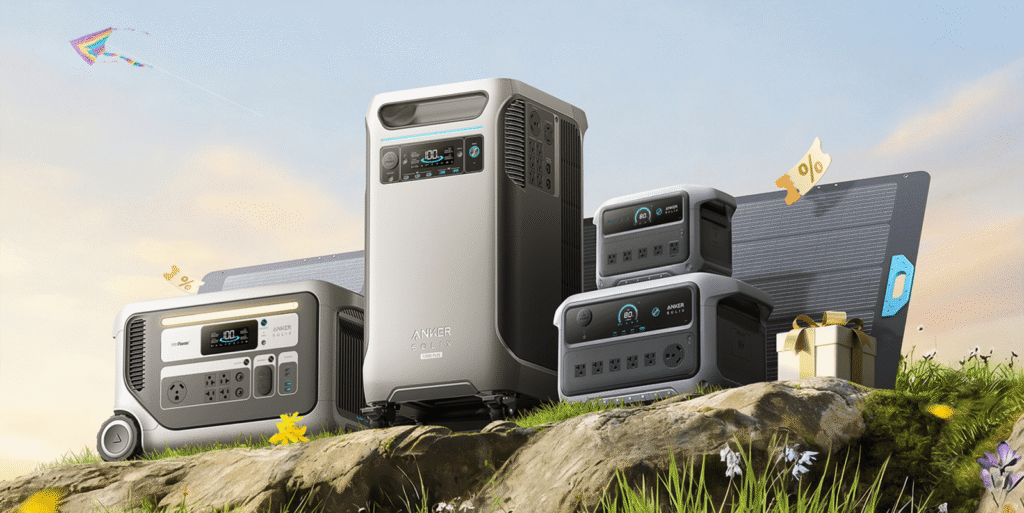
As the electric vehicle revolution accelerates, the massive demand on local power grids has raised serious concerns about blackout risks and energy security. This is where GM Energy steps in with a game-changing solution to keep the power flowing. The GM Energy Home System offers an innovative stationary battery backup that integrates seamlessly with your household, providing continuous, always-ready power during unexpected grid failures. Additionally, the GM Energy PowerBank allows homeowners to draw energy from the grid during off-peak hours when rates are lowest, storing it for use when demand and prices peak.
This decentralized energy strategy not only protects individual homeowners from catastrophic weather events and power outages but also helps stabilize the entire national grid. By turning electric vehicles and home batteries into a massive distributed energy resource, consumers are transitioning from passive energy buyers to active grid participants. It is a vital step toward a resilient, sustainable future where clean energy is democratized and secure.