The Great European EV Invasion: XPeng’s Shocking Move to Buy Out Volkswagen
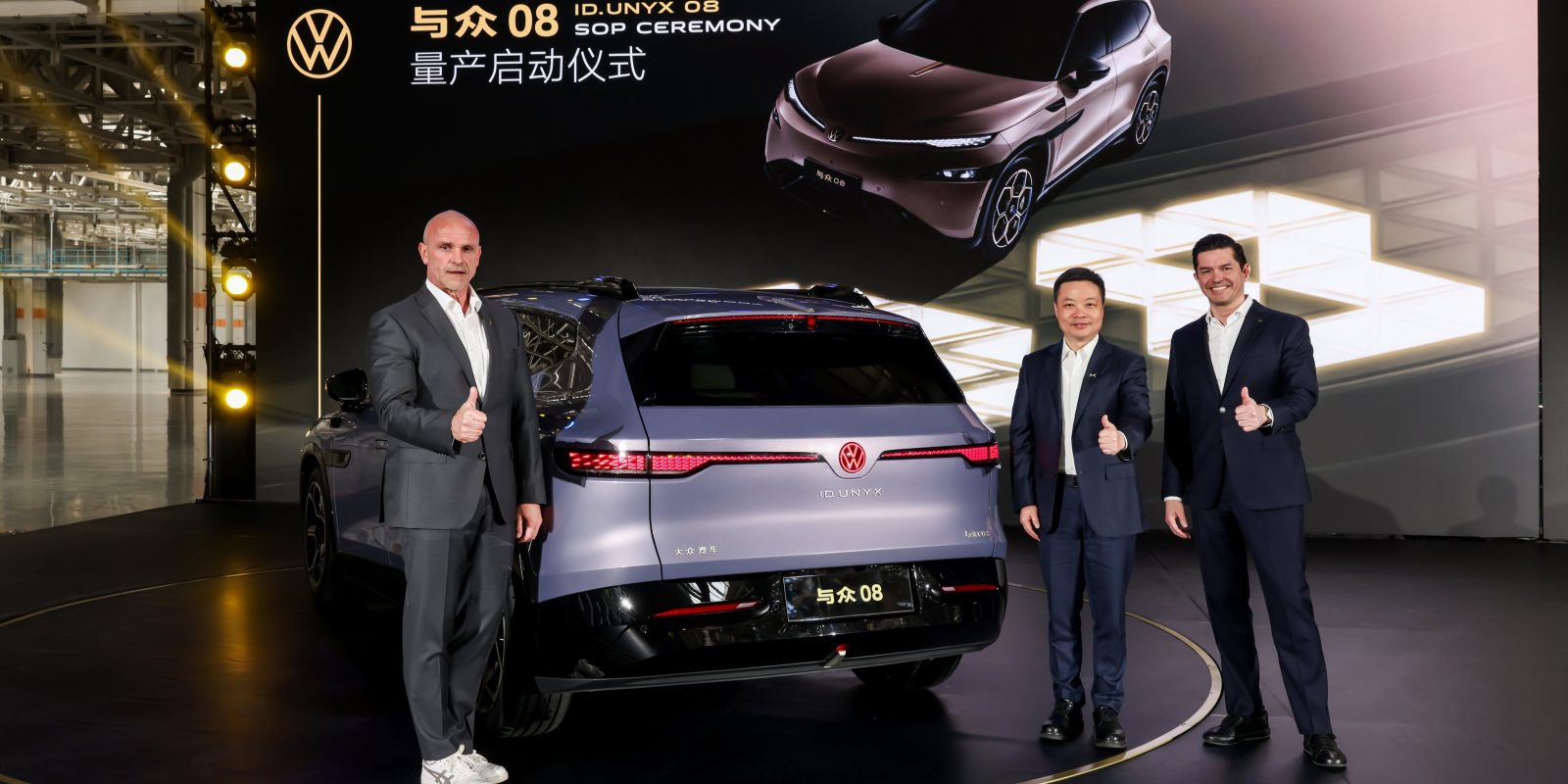
In a plot twist that has sent shockwaves through the global automotive industry, Chinese electric vehicle powerhouse XPeng is reportedly in advanced talks to acquire a manufacturing plant directly from legacy giant Volkswagen. This audacious move comes at a time when the European automotive sector is already on high alert, facing existential threats from highly competitive and technologically superior electric vehicles originating from China. With XPeng’s contract production in Austria rapidly running out of capacity, the company is wasting no time in securing its own heavy-duty footprint on European soil.
The numbers speak for themselves. XPeng’s exports exploded to a record-breaking 6,006 vehicles in April alone, representing a staggering 62% year-over-year increase. European consumers are voting with their wallets, choosing sleek, software-driven Chinese EVs over traditional, slower-moving European brands. This skyrocketing demand has pushed XPeng’s current European production capabilities to their absolute limits, making the acquisition of an established factory not just a luxury, but an absolute necessity for survival and growth.
Why Legacy Auto Giants Are Trembling in Their Boots
For decades, European automakers like Volkswagen, BMW, and Stellantis dominated the global roads. However, the paradigm shift toward electrification has exposed massive vulnerabilities in their legacy supply chains and slow-moving software development. Now, the tables have turned in a deeply ironic fashion: instead of European brands building factories in China, Chinese brands are now eyeing the historic production plants of Europe’s finest.
Industry insiders suggest that Volkswagen, currently undergoing its own messy transition to electric platforms, may view selling a plant to XPeng as a strategic way to cut overhead costs and streamline its bloated operations. But for market observers, this is a clear sign of capitulation. If a rising star like XPeng can simply walk in and purchase the physical infrastructure of Germany’s crown jewel, the balance of power in the automotive world has officially shifted forever. XPeng’s aggressive expansion strategy signals that they do not just want to import cars to Europe—they want to build them there, employ local workers, and fully integrate into the European economy.
The Multi-Billion Dollar Chess Game in Europe
This massive development is not happening in a vacuum. Just twenty-four hours before this news broke, rival EV colossus BYD revealed it is pursuing similar European factory deals with Stellantis and other legacy carmakers. This is no longer an isolated incident; it is a coordinated, high-stakes onslaught by Chinese automakers to bypass punitive import tariffs and localize production on the European continent.
By establishing physical factories within the European Union, companies like XPeng and BYD can completely circumvent the rising trade barriers designed to protect domestic manufacturers. Furthermore, localizing production dramatically slashes shipping costs, shortens delivery times, and appeals to European buyers who prefer locally built goods. This masterstroke of a strategy leaves European lawmakers with very few options. How can you impose heavy tariffs on vehicles built by European workers inside European factories?
The implications of this potential XPeng-Volkswagen deal are profound. We are witnessing the rewriting of the global industrial map in real-time. If XPeng successfully closes this deal, it will mark a historic turning point where Chinese EV technology officially merges with European manufacturing heritage, leaving traditional automakers scrambling to find their footing in a market they once ruled with an iron fist.
- Unprecedented Export Surge: XPeng’s exports reached an all-time high of 6,006 units in April, a massive 62% jump.
- Capacity Crisis: The existing contract assembly line in Austria can no longer keep up with the explosive European demand.
- Tariff Dodging: Localized European production allows Chinese brands to completely bypass potential EU import duties.