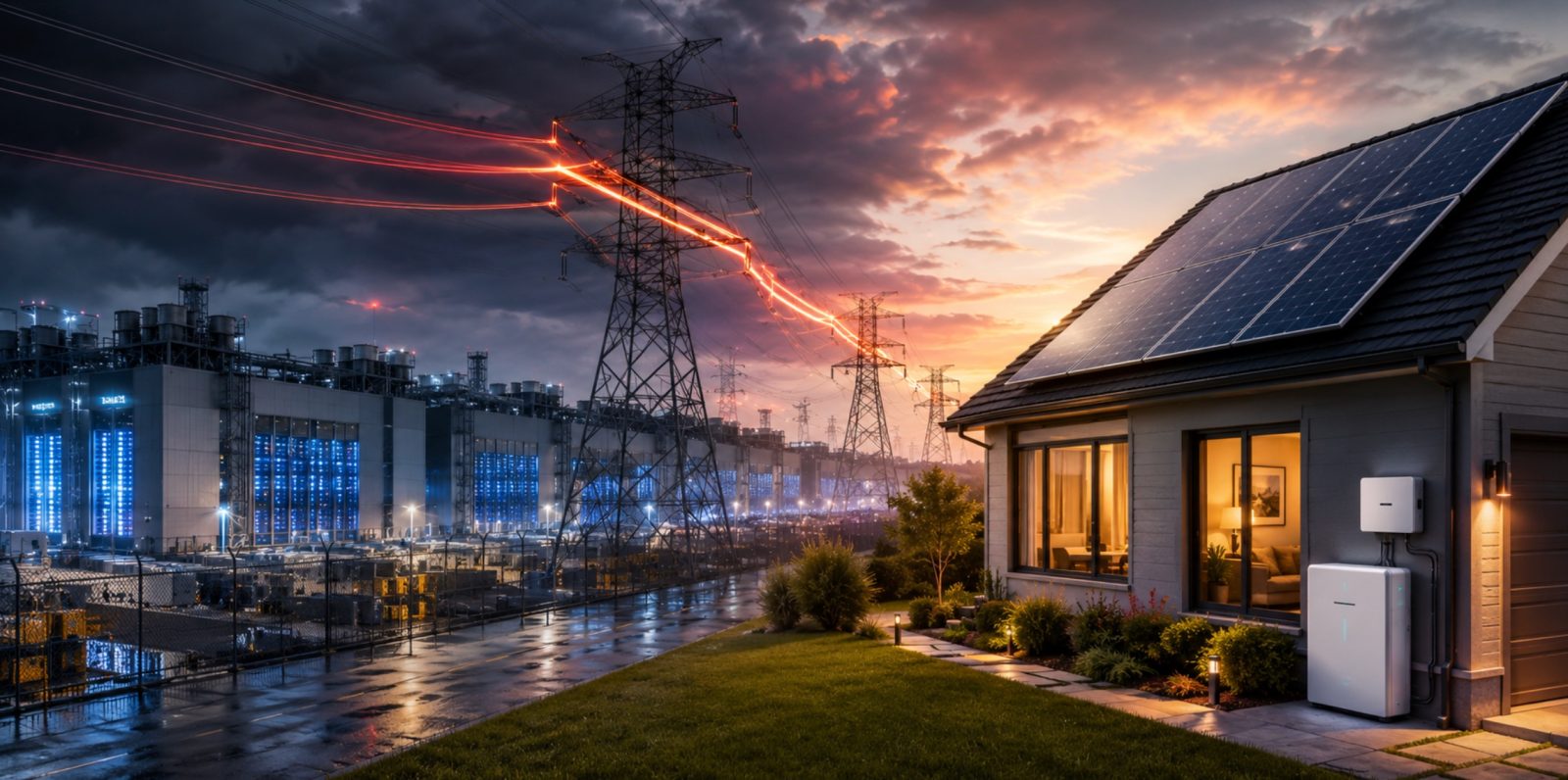
In a shocking development that reads like a dystopian sci-fi novel, 49,000 Lake Tahoe residents just received a devastating wake-up call from their local utility. In less than a year, three-quarters of their electricity supply will be stripped away. Where is this vital energy going? It is not being redirected to hospitals, schools, or emergency infrastructure. Instead, it is being funneled directly into the insatiable maw of tech-industry data centers. This unprecedented power grab highlights the terrifying, real-world impact of the artificial intelligence boom on everyday citizens.
The affected homeowners are now scrambling to find alternative energy sources before the lights go out. This extreme case is a loud warning bell for the entire country. Across the United States, the massive surge in digital infrastructure is pushing local utilities to their absolute limits, leaving average taxpayers to suffer the consequences of an overloaded system.
The Shocking AI Hijacking of Local Power Grids
The situation in Nevada is not an isolated incident; it is a dark sign of what is to come. As tech conglomerates race to build increasingly complex artificial intelligence models, the physical infrastructure required to keep these systems running has grown exponentially. AI data centers operate 24 hours a day, 7 days a week, consuming astronomical amounts of electricity to cool down thousands of humming servers that power our modern digital lives.
This massive electricity consumption is causing severe strain on municipal power grids that were never built to handle such immense, localized loads. In order to keep up with the demands of Silicon Valley, utilities are forced to make desperate decisions. In this case, sacrificing the energy security of 49,000 residents was deemed a viable trade-off. This shocking revelation has sparked outrage, raising critical questions about corporate greed and the prioritization of tech profits over basic human needs. For more details on this developing crisis, check out the original report detailing the local fallout.
Why Your Electricity is Being Redirected to Tech Giants
To understand how we reached this crisis point, one must look at the sheer scale of modern computing. Training a single advanced AI model consumes more energy than several average American homes use in an entire lifetime. As tech giants deploy these tools to millions of users globally, the daily operational demand for electricity has skyrocketed to unprecedented levels, causing massive supply deficits.
Utilities are caught in a difficult position, but their loyalties are clear. Data centers represent massive, highly profitable corporate contracts, while residential consumers provide relatively low margins. Consequently, energy companies are heavily incentivized to prioritize corporate entities over local communities. As a result, everyday homeowners are seeing their utility rates skyrocket, and in extreme cases like Lake Tahoe, they are being told to find their own power entirely.
The Ultimate Survival Plan: Going Off-Grid with Solar
With traditional grids proving increasingly unreliable and compromised by corporate interests, a growing number of Americans are taking matters into their own hands. The demand for residential solar panels and home battery storage systems has shifted from an eco-friendly lifestyle choice to an absolute necessity for survival in a tech-dominated landscape.
Investing in a robust home solar setup paired with advanced battery storage is no longer just about saving money on your monthly bill. It is about establishing complete energy independence. When the grid fails—or when your local utility decides to sell your power to the highest corporate bidder—having a self-sustaining system ensures that your family remains safe, warm, and secure. As the tech boom continues to drain our public resources, going off-grid may soon be the only way to keep the lights on.