How Waymo’s Driverless Empire Just Captured America
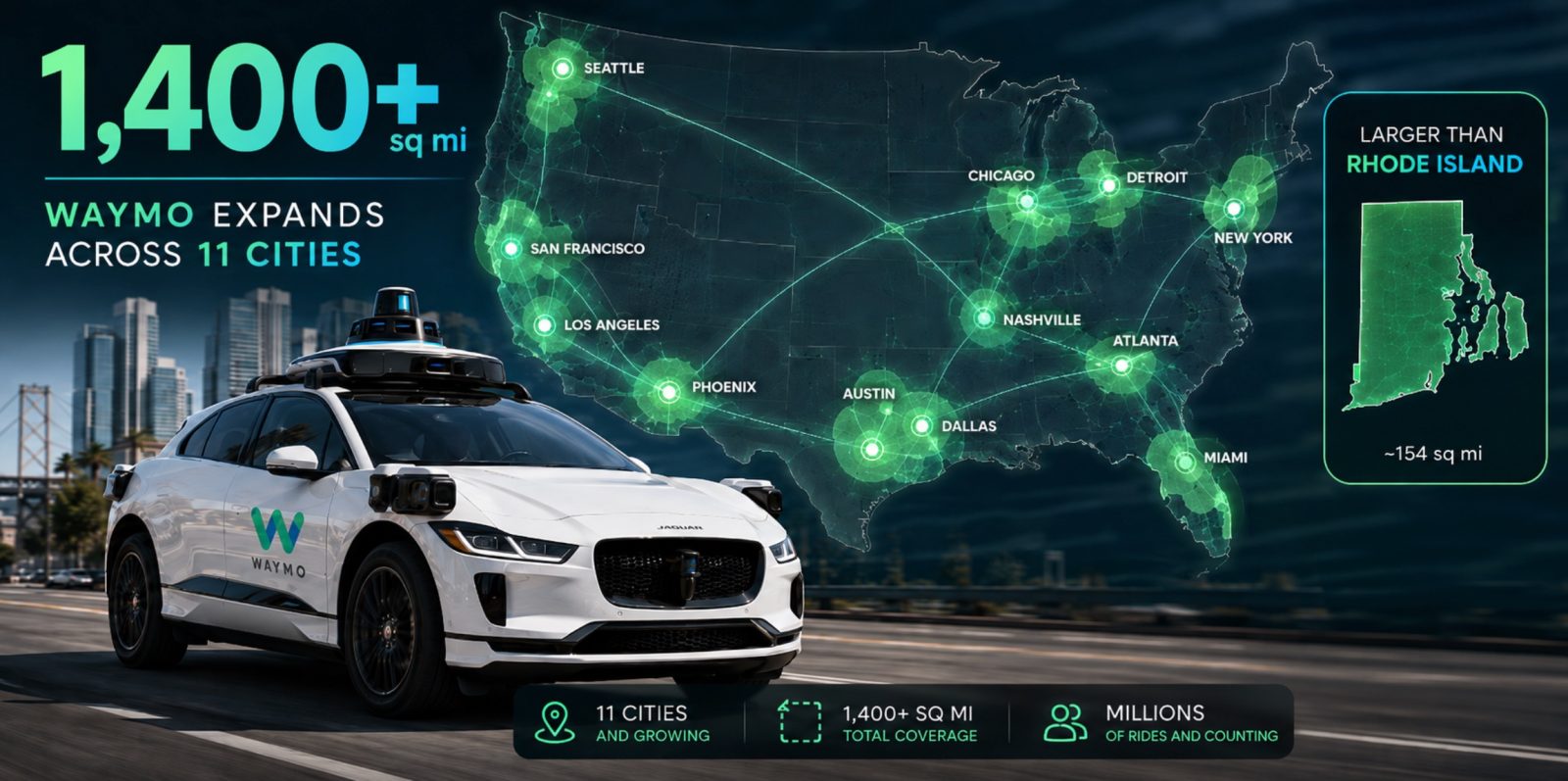
The roads of America are undergoing a radical transformation, and the driverless future is arriving much faster than anyone could have predicted. In a jaw-dropping expansion, autonomous vehicle pioneer Waymo has announced a massive rollout of its robotaxi services, claiming dominance over an astonishing 1,400 square miles across 11 major US cities. This massive, aggressive expansion represents a staggering 27% increase in coverage, carving out a territory that is literally larger than the entire state of Rhode Island. As traditional taxi drivers and rideshare gig workers look on in disbelief, Waymo is rapidly cementing its status as the undisputed king of autonomous urban transportation.
The implications of this expansion are nothing short of revolutionary. For years, critics argued that fully autonomous vehicles were a pipe dream, confined to highly controlled suburban pockets or strictly mapped corridors. However, Waymo’s latest maneuver proves that the era of the human driver is quickly drawing to a close. By scaling up its operations to over 1,400 square miles, Waymo is not just testing vehicles; it is establishing a permanent, dominant presence in the daily lives of millions of Americans.
The Massive 1,400-Square-Mile Expansion Demystified
What does it mean to control 1,400 square miles of urban pavement? It means that Waymo’s sensors, lidars, and deep-learning AI systems are now navigating complex environments that include unpredictable pedestrians, changing weather conditions, and chaotic traffic patterns across 11 major metropolitan areas. By increasing its total coverage area by 27%, Waymo is effectively bypassing the slow, incremental rollouts of its competitors. According to recent reports, including detailed industry insights, this expansion represents a pivot from experimental technology to raw, unchecked commercial dominance. The sheer scale of this deployment signals that Alphabet’s autonomous vehicle division is ready to capture market share at an unprecedented velocity.
Is Your City Next on the Autonomous Hit List?
The aggressive rollout is starting immediately, and the list of target cities reads like a roster of America’s most vibrant economic hubs. The expansion officially kicks off in the sun-drenched, high-traffic streets of Miami, Florida. Following the Miami launch, Waymo’s autonomous fleets will descend upon several high-profile cities for broader, more comprehensive coverage:
- Miami, Florida
- Austin, Texas
- Atlanta, Georgia
- Houston, Texas
- San Francisco Bay Area
These cities represent some of the most challenging driving environments in the country. From the high-speed highway merges of Houston to the winding, hilly terrains of San Francisco, Waymo is throwing its vehicles into the deep end of real-world urban chaos. Residents in these expansion zones can expect to see an influx of the iconic white Jaguar I-PACE SUVs, spinning their rooftop sensors as they navigate the streets without a human behind the wheel. The sheer speed of this deployment has left local regulators scrambling to keep up, as public opinion remains sharply divided between those who welcome the convenience of driverless transit and those who fear the societal impact of widespread automation.
What the Future Holds for Human Drivers
As Waymo continues its relentless expansion, the broader question remains: what happens to the human workforce? The rideshare economy, which currently supports millions of drivers across the globe, is facing an existential threat. If a robotaxi can operate 24/7 without needing breaks, benefits, or salaries, the financial incentive for corporations to transition away from human labor is absolute. Furthermore, the environmental impact of this shift cannot be ignored. With Waymo’s fleet being entirely electric, this massive expansion also represents a major step forward in reducing urban emissions, making a compelling case for city planners to embrace the autonomous future. Whether you view it as a tech-fueled utopia or a dystopian takeover, one thing is certain: Waymo is driving us into the future, and there is no turning back.