The Shocking Death of Lithium? California’s Wild New Energy Gamble
California is on the absolute precipice of a massive blackout catastrophe, but a secret new partnership might have just saved the power grid from total, devastating collapse. As summer temperatures soar to record-breaking extremes, the golden state’s heavy reliance on traditional lithium-ion batteries has exposed a terrifying vulnerability. These batteries simply cannot handle the heat. Enter a revolutionary technology that could change the global energy landscape forever, leaving lithium in the dust.
The stakes have never been higher. With energy demands skyrocketing and the climate crisis triggering unprecedented thermal events, energy providers are scrambling for a solution. The current infrastructure is buckling under the weight of millions of air conditioners running simultaneously. A single failure could plunge millions of homes into darkness, sparking chaos. This is why the latest development in the energy sector is being hailed as both a miracle and a highly risky gamble.
Inside the Secret 500 MWh Deal Shaking the Energy Market
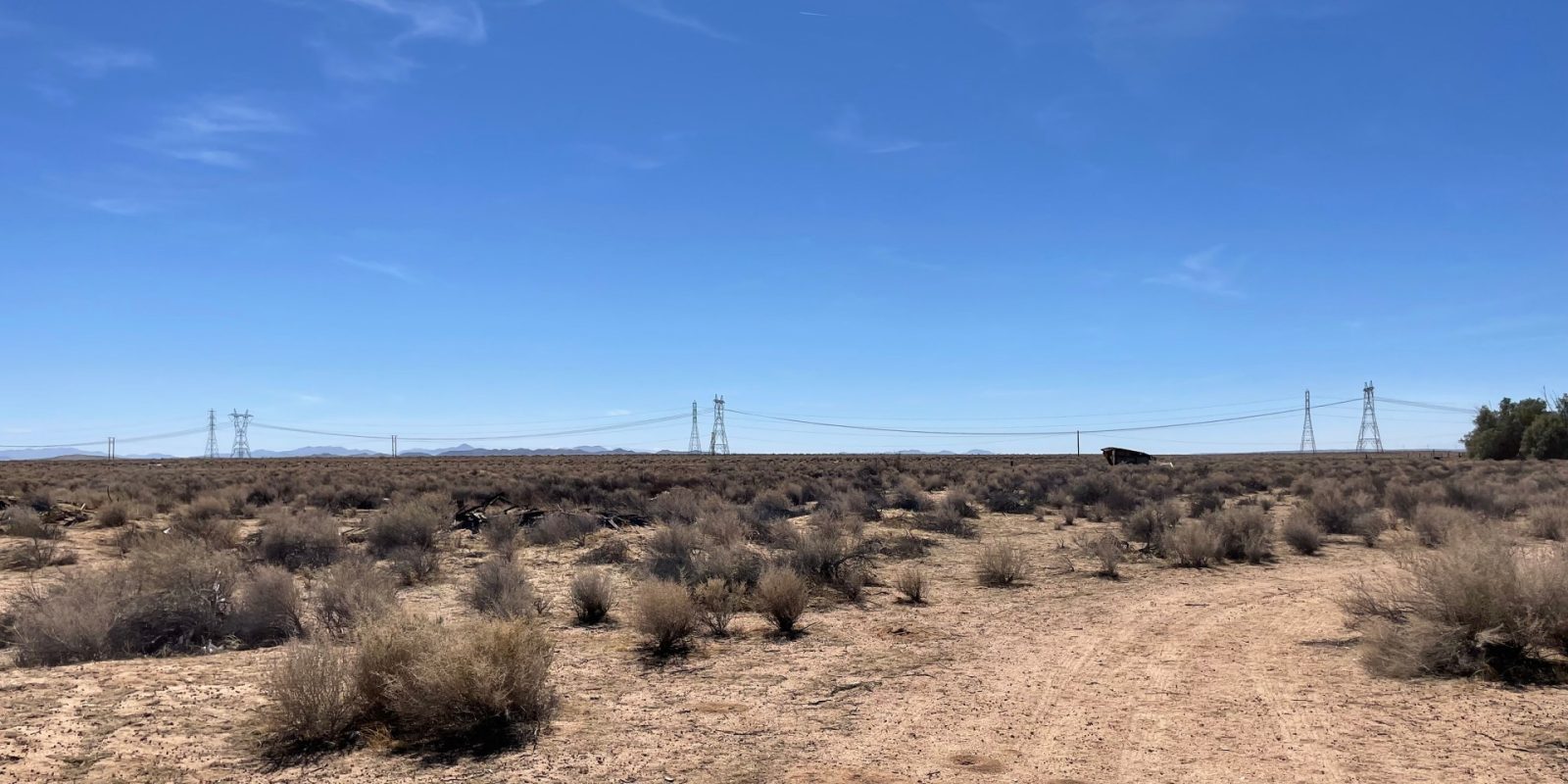
In a stunning move that has sent shockwaves through the global tech and energy sectors, California-based renewable energy developer Juniper Energy has officially partnered with the disruptive tech pioneer Alsym Energy. This is no ordinary business contract. It is a monumental, multi-million-dollar agreement to deploy a whopping 500 MWh of sodium-ion battery storage projects right across the most scorched, vulnerable landscapes of California.
For years, tech giants and green energy firms have stubbornly ignored the glaring flaws of lithium. It is incredibly expensive to mine, highly flammable under extreme temperatures, and controlled by a fragile, volatile global supply chain. This new deal represents a massive, desperate bet on sodium-ion battery storage, a technology that utilizes cheap, abundant, and non-flammable materials. But will this unproven savior be enough to survive the upcoming summer heatwaves, or will the experiment collapse under pressure?
Why Sodium-Ion Is the Ultimate Weapon Against Extreme Heat
The science behind this transition is absolutely mind-blowing. Unlike their lithium counterparts, sodium-ion batteries thrive in the brutal, triple-digit temperatures that regularly plague California’s inland regions. When the electrical grid is pushed to its absolute limit, traditional lithium batteries risk thermal runaway—a polite term for catastrophic, chemical explosions that are nearly impossible to extinguish. Sodium-ion completely eliminates this nightmare scenario.
By using sodium—essentially common, abundant salt—instead of volatile lithium, these next-generation systems can operate safely in extreme environments without requiring massive, energy-draining cooling systems. This dramatically lowers the cost of energy storage while skyrocketing grid reliability. Here is why experts believe this could be the final nail in the coffin for lithium:
- Zero Fire Risk: Sodium-ion chemistry is inherently non-flammable, making it the perfect defense for wildfire-prone zones across the West Coast.
- Unbeatable Cost Efficiency: Dropping expensive cobalt and lithium means dramatically lower utility bills for desperate consumers.
- Eco-Friendly Sourcing: No more destructive, toxic lithium mining operations destroying fragile desert ecosystems.
- Extreme Heat Tolerance: Operates flawlessly in blistering temperatures that would melt or disable traditional storage units.
The implications of the Juniper Energy and Alsym Energy alliance are crystal clear: the lithium monopoly is finally crumbling. As these massive 500 MWh systems begin to roll out across the state, the rest of the world is watching with bated breath. If California successfully tames its grid with the power of salt, we are about to witness the greatest energy revolution of the 21st century. The era of lithium dominance might be over sooner than anyone ever predicted.