The Dark Reality Behind Elon Musk’s Driverless Dream
For years, tech evangelists and loyal Tesla investors have eagerly anticipated the dawn of a fully autonomous future. Elon Musk promised a world where fleets of driverless ‘Robotaxis’ would effortlessly navigate complex urban environments, generating passive income for owners and providing cheap, green transit for the masses. However, a damning new investigation has shattered this utopian illusion, exposing a system plagued by severe operational constraints, extreme vehicle shortages, and a fundamental safety bottleneck that cannot easily scale.
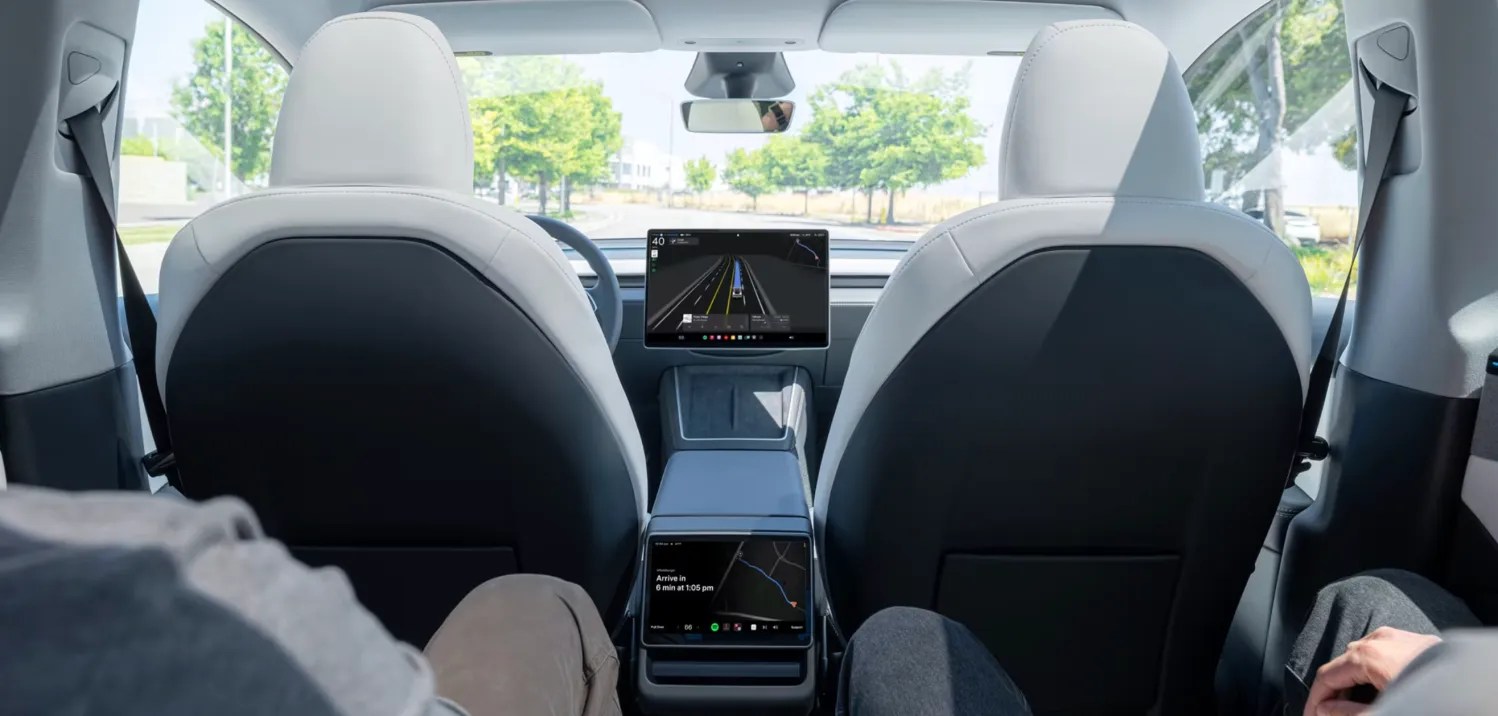
The dream of hopping into a driverless Tesla and gliding seamlessly to your destination is colliding hard with physical reality. While the public expected minor software bugs and occasional routing hiccups, the systemic failures currently manifesting across Tesla’s pilot programs point to a much deeper crisis. This is not just a temporary inconvenience; it is a fundamental architectural limitation that threatens to derail Tesla’s entire autonomous strategy.
The Devastating Findings of the Reuters Investigation
A groundbreaking investigative report by Reuters has pulled back the curtain on Tesla’s three-city ‘Robotaxi’ pilot service. What they uncovered paints a bleak picture of a service that is practically unusable for the average commuter. According to the documented findings, users are routinely facing hours-long wait times just to hail a vehicle. Even worse, once a vehicle is finally secured, the system restricts routing strictly to surface streets, entirely avoiding highways and complex expressways.
The investigative team highlighted several critical issues plaguing the pilot program:
- Near-Zero Vehicle Availability: In major test markets, securing an active Robotaxi is akin to winning the lottery, with only a handful of vehicles active at any given time.
- Surface-Street-Only Routing: By completely avoiding freeways, travel times are often doubled or tripled, rendering the service highly impractical.
- Extreme Wait Times: Customers report waiting in virtual queues for hours, only to have their rides canceled due to systemic overload.
While eager defenders of the brand suggest these are merely the typical ‘growing pains’ of a disruptive new technology, industry experts warn that the truth is far more concerning. As detailed in the original report on Electrek, these convenience issues are actually structural symptoms of a system that is struggling to ensure basic passenger safety.
The Invisible Bottleneck: Why Safety Doesn’t Scale
During Tesla’s Q1 2026 earnings call, Elon Musk himself was forced to admit a harsh truth to anxious investors: safety validation is the absolute limiting factor. The frustrating delays, terrible vehicle availability, and restricted routes are not accidental glitches. They are the deliberate, direct results of rigid safety constraints that the company cannot bypass without risking catastrophic, headline-grabbing accidents.
Unlike human drivers who can dynamically assess and react to novel situations, Tesla’s autonomous software relies on intense safety validation protocols. In a restricted environment, the system can manage. However, to scale the service to thousands of vehicles across complex global cities, the computational and physical validation required grows exponentially. Every new street, weather condition, and unpredictable human behavior introduces variables that the system’s ‘vision-only’ approach struggles to process safely in real-time.
To prevent fatal errors, Tesla’s engineers have been forced to hobble the user experience. By keeping vehicles on slow surface streets, limiting the active fleet size, and manually validating routes, they keep risk low—but at the cost of creating a service that is virtually useless. This safety bottleneck raises a terrifying question for the future of the company: if a Robotaxi service cannot scale without compromising passenger safety, can Elon Musk’s most ambitious promise ever truly be realized?