The Shocking Truth Behind Ford’s Desperate Bid to Power the AI Revolution
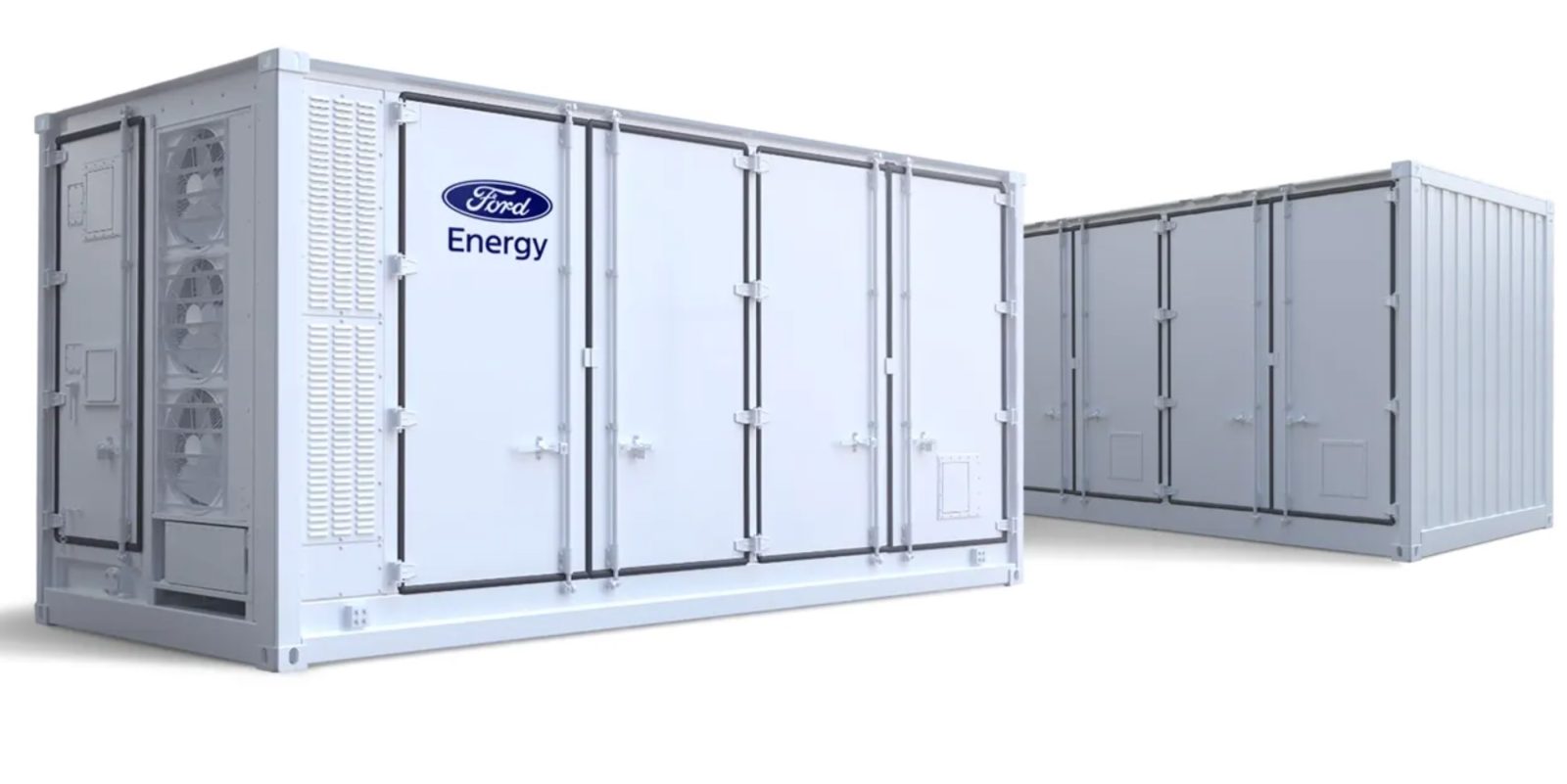
Ford, the legendary Detroit automaker, is making a jaw-dropping pivot that has sent shockwaves through the automotive and tech sectors. Facing massive losses and embarrassing overcapacity in its electric vehicle (EV) division, Ford is officially launching ‘Ford Energy’—a brand-new, wholly-owned subsidiary tasked with a monumental mission: conquering the grid-scale energy storage market.
The electric vehicle dream has hit a brutal roadblock. Consumer demand has stalled, leaving automotive giants with mountains of unused batteries and idle gigafactories. But Ford isn’t going down without a fight. Instead of admitting defeat, they are repurposing their immense manufacturing power to solve one of the greatest crises of the 21st century: the insatiable energy demands of artificial intelligence.
Inside the 20 GWh Kentucky Powerhouse
Ford Energy plans to produce an astonishing 20 gigawatt-hours (GWh) of Battery Energy Storage Systems (BESS) annually from its state-of-the-art facility in Kentucky. This isn’t just a minor side hustle; it is a full-scale industrial mobilization. These American-assembled battery systems are designed to support massive utilities, gargantuan data centers, and heavy industrial clients who are currently desperately searching for stable grid infrastructure.
The technology utilizes advanced battery chemistry engineered to deliver ultra-reliable, long-duration energy dispatch. As renewable energy sources like wind and solar continue to flood the grid, their inherent intermittency poses a massive threat to grid stability. Ford Energy aims to act as the ultimate buffer, soaking up excess energy and discharging it when the sun goes down or the wind stops blowing.
Feeding the AI Beast: Why Tech Giants Need Ford
Silicon Valley is facing a quiet but terrifying panic. The explosive rise of generative AI and large language models (LLMs) requires an unprecedented amount of computational power. Data centers owned by tech titans are guzzling electricity at rates never seen before. Grid operators are warning that without immediate, massive investments in localized energy storage, localized blackouts could freeze the progress of artificial intelligence entirely.
This is where Ford’s genius—or desperation—manifests. By shifting their focus from passenger vehicles to grid-scale batteries, they are positioning themselves as the primary arms dealer in the AI gold rush. Tech conglomerates don’t just want clean energy; they need reliable, uninterrupted power 24/7. Ford’s BESS units will allow these data centers to store massive amounts of green energy, ensuring their AI supercomputers never go offline.
This strategic redirection is heavily detailed in recent industry analysis, including reports by Electrek’s exclusive coverage of the sudden launch. Is this the ultimate redemption arc for Ford, or a dangerous gamble in an unproven market? Only time will tell if Ford Energy can successfully bail out its parent company’s EV missteps. However, one thing is absolutely clear: the race to power the future is no longer just about the cars we drive, but the invisible grids that keep our digital world alive.