The Beijing Auto Show 2026: A Brutal Reality Check for Global Automakers
Walking through the doors of the 2026 Beijing Auto Show, also known as Auto China, is like stepping into a science fiction novel that has suddenly become reality. For decades, the global automotive narrative was dictated by Detroit, Stuttgart, and Tokyo. But after spending forty-eight hours navigating the dizzying expanse of this year’s event, it is impossible to ignore the truth: the torch has been passed. The future of the automobile is not just electric; it is undeniably Chinese and evolving at a pace the West simply cannot match.
The scale of this shift is difficult to articulate without seeing it firsthand. To put it into perspective, I spent time in just a single hall of the massive venue. In that one hall alone, there were more electric vehicle (EV) models on display than exist in the entire United States market combined. Now, consider this: there are seventeen halls at this show. Seventeen. Each one is packed to the rafters with cutting-edge technology, sleek designs, and price points that would make Western executives break out in a cold sweat. This is not just a trade show; it is an industrial takeover on a global scale.
The Great Leap Forward in Electric Innovation
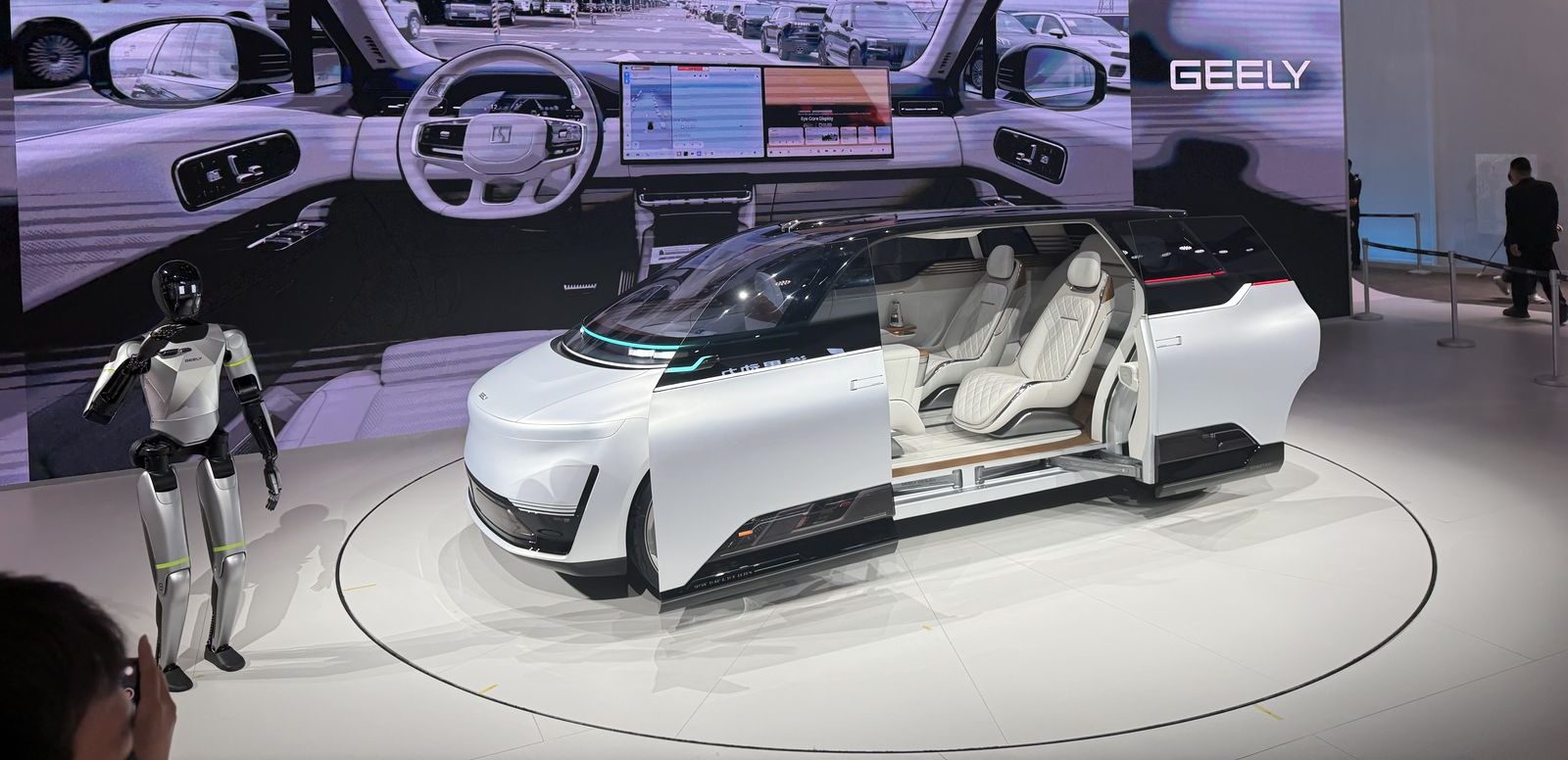
The sheer velocity of innovation on display at the Beijing Auto Show 2026 is staggering. While legacy automakers in the West are still debating battery chemistry and struggling with software integration, Chinese brands like Geely, BYD, and Xiaomi are launching full-scale robotaxi fleets and integrating humanoid robots into their manufacturing and service ecosystems. The visual of a Geely robotaxi standing next to a humanoid robot isn’t just a gimmick; it’s a statement of intent. They are building a holistic mobility infrastructure while the rest of the world is still trying to build a better sedan.
The density of competition in China has created an evolutionary pressure cooker. Because there are hundreds of domestic brands vying for survival, only the most efficient, technologically advanced, and consumer-centric companies survive. This has resulted in EVs that boast 1,000km ranges, solid-state batteries that charge in under ten minutes, and internal software systems that make modern smartphones look like relics of the past. The gap between what is available in Beijing and what is available in Chicago is no longer a crack; it is a canyon that grows wider with every passing quarter.
Why the Global Market is Falling Behind
Many will ask how this happened so quickly. The answer lies in supply chain dominance and aggressive government policy. China has secured the raw materials, the battery manufacturing, and the software talent necessary to lead the EV revolution. When you visit Electrek, you see the daily updates on these advancements, but seeing them in person is a different beast entirely. The US market is currently protected by tariffs and logistical barriers, but those are temporary shields against a global tide of innovation that shows no signs of receding.
Furthermore, the Chinese consumer is ready for this change in a way that Western audiences are not. There is no ‘range anxiety’ or skepticism here; there is only an appetite for the latest tech and the most seamless integration. At Auto China 2026, the crowds weren’t looking at engine specs or horsepower; they were testing the augmented reality windshields and the AI-driven cockpit assistants. The traditional car is dead in the eyes of the Beijing youth, replaced by a mobile living space that just happens to move on four wheels.
As we look toward the end of the decade, the question is no longer whether China will export these cars, but how the world will react when they do. The level of fit, finish, and sheer luxury found in mid-tier Chinese EVs now rivals the flagship German luxury liners. If the West does not accelerate its transition immediately, the 2026 Beijing Auto Show will be remembered as the moment the global automotive hierarchy was permanently dismantled. The seventeen halls of Auto China are not just a display of products; they are a funeral for the internal combustion engine and a coronation for the new kings of the road.