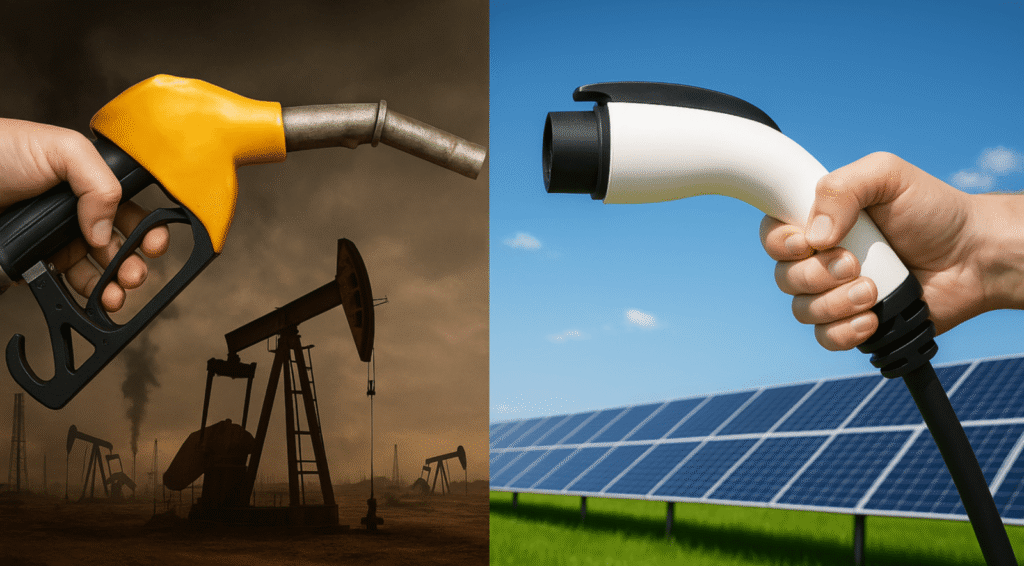
California is on the verge of a massive energy shake-up that could put thousands of dollars back into the pockets of everyday homeowners. Senate Bill 913 is the legislative earthquake that the solar industry and green energy advocates have been waiting for. For years, the dream of total energy independence has been just out of reach for many, but this new law flips the script. Instead of just saving money on your utility bill, the state might actually start writing you checks for the electricity sitting in your garage.
The Game-Changing Potential of Senate Bill 913
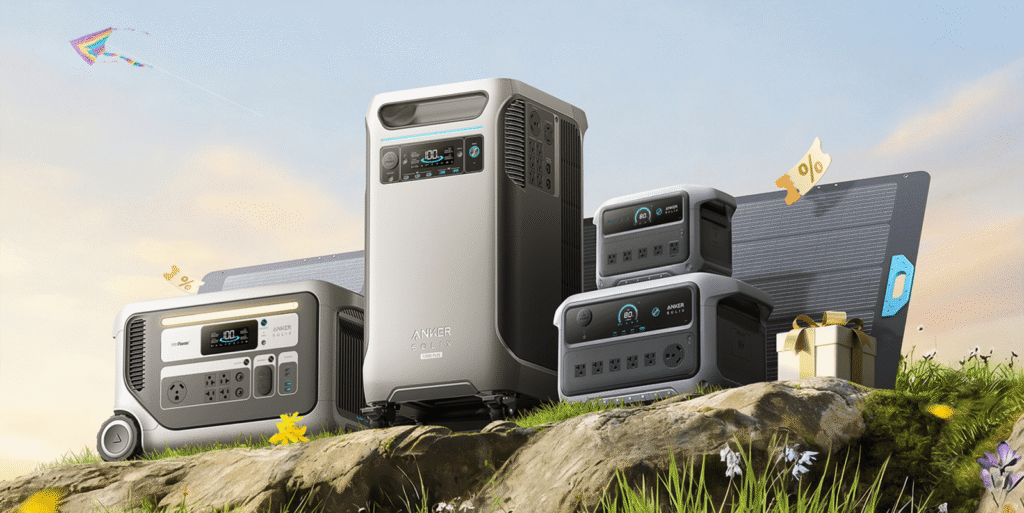
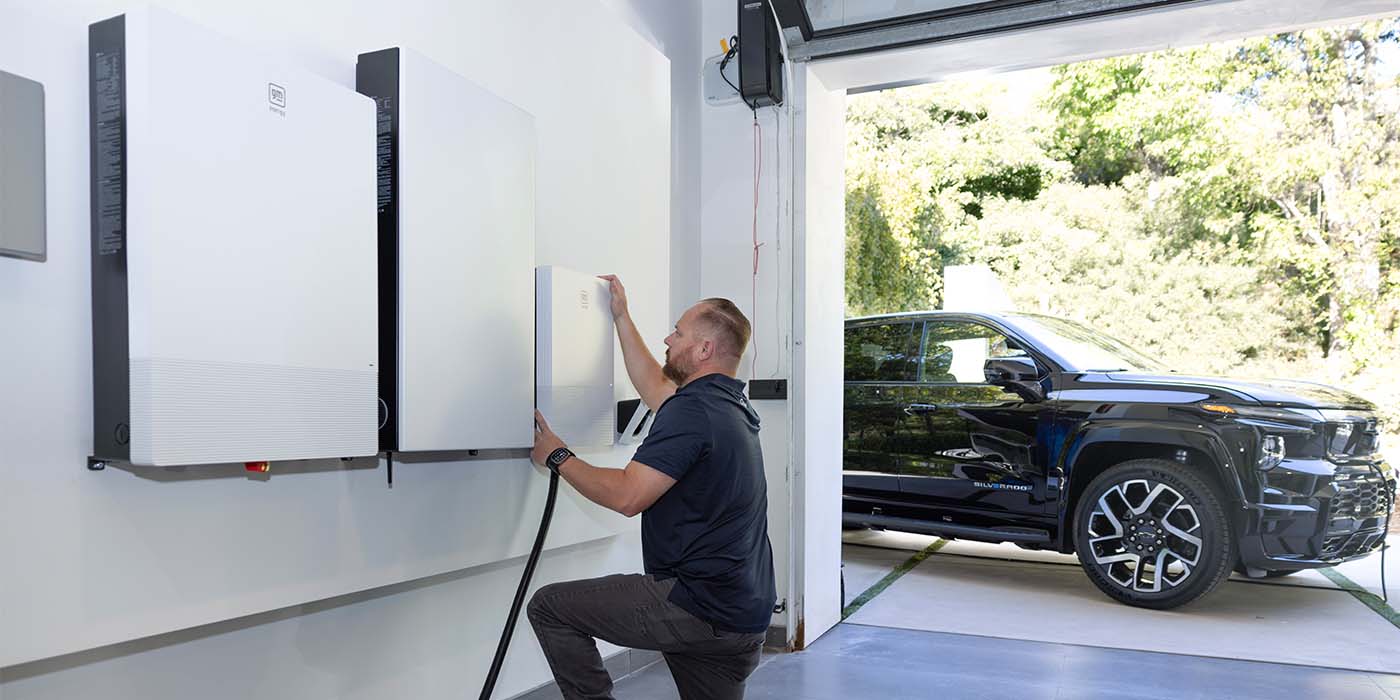
Senate Bill 913 is not just another piece of bureaucratic paperwork; it represents a fundamental shift in how we perceive the power grid. Traditionally, power plants were massive, polluting facilities located far from residential areas, controlled by monolithic utility companies. Under this new legislation, utilities and grid operators are being pushed to treat residential backup batteries as legitimate, decentralized power plants. This concept, often referred to as a Virtual Power Plant (VPP), allows the grid to tap into the thousands of kilowatt-hours stored in private homes across the Golden State.
When peak demand hits—usually during those sweltering summer afternoons when every air conditioner in the state is humming—the grid experiences immense strain. In the past, this led to rolling blackouts or the firing up of expensive and dirty ‘peaker’ plants. Now, with SB 913, the state can look to your home instead. By aggregating the energy from thousands of individual batteries, the grid gains a massive, clean reservoir of power that can be deployed instantly, preventing outages and lowering costs for everyone involved.
Turning Your Garage into a Literal Cash Cow
The most exciting aspect for the average consumer is the financial incentive. Imagine waking up to find that your home battery system has earned you enough money to cover your monthly grocery bill. That is the promise of programs enabled by this bill. Homeowners who opt-in to share their excess capacity during critical windows will be compensated for their contribution at market rates. This is a massive leap forward from standard net metering; it’s about being an active, paid participant in the energy market.
Industry experts suggest that this could drastically shorten the ‘payback period’ for home battery systems. Usually, a high-end storage system takes several years to pay for itself through avoided utility costs. With direct payments from grid operators, that timeline could be cut in half. This makes solar and storage accessible to a much wider demographic, fueling a green gold rush across California. You can find more details on current energy trends at the Department of Energy.
How Virtual Power Plants (VPPs) are Saving the Grid
The reliability of the California grid has been a hot-button issue for decades. From wildfires to extreme heatwaves, the infrastructure has been pushed to its breaking point. VPPs offer a level of resilience that centralized plants simply cannot match. If one part of the grid fails, the distributed nature of home batteries ensures that power remains available where it is needed most. This localized support can prevent the cascading failures that lead to widespread blackouts.
Furthermore, this legislation reduces the need for massive investments in new, invasive transmission lines. Instead of building billion-dollar projects to transport energy across the state, we can use the energy that is already stored in our neighborhoods. It is efficient, cost-effective, and remarkably sustainable. The environmental impact is equally significant; every kilowatt-hour drawn from a home battery is one less kilowatt-hour generated by fossil fuels. California is setting a precedent that the rest of the country will likely follow. As SB 913 moves forward, homeowners should prepare for a new era where their utility meter isn’t just a gauge of debt, but a ticker for profit.
- Homeowners can earn direct payments for sharing battery power.
- SB 913 classifies home batteries as official power plants.
- Virtual Power Plants increase grid reliability during heatwaves.
- Reduced reliance on fossil-fuel burning ‘peaker’ plants.