
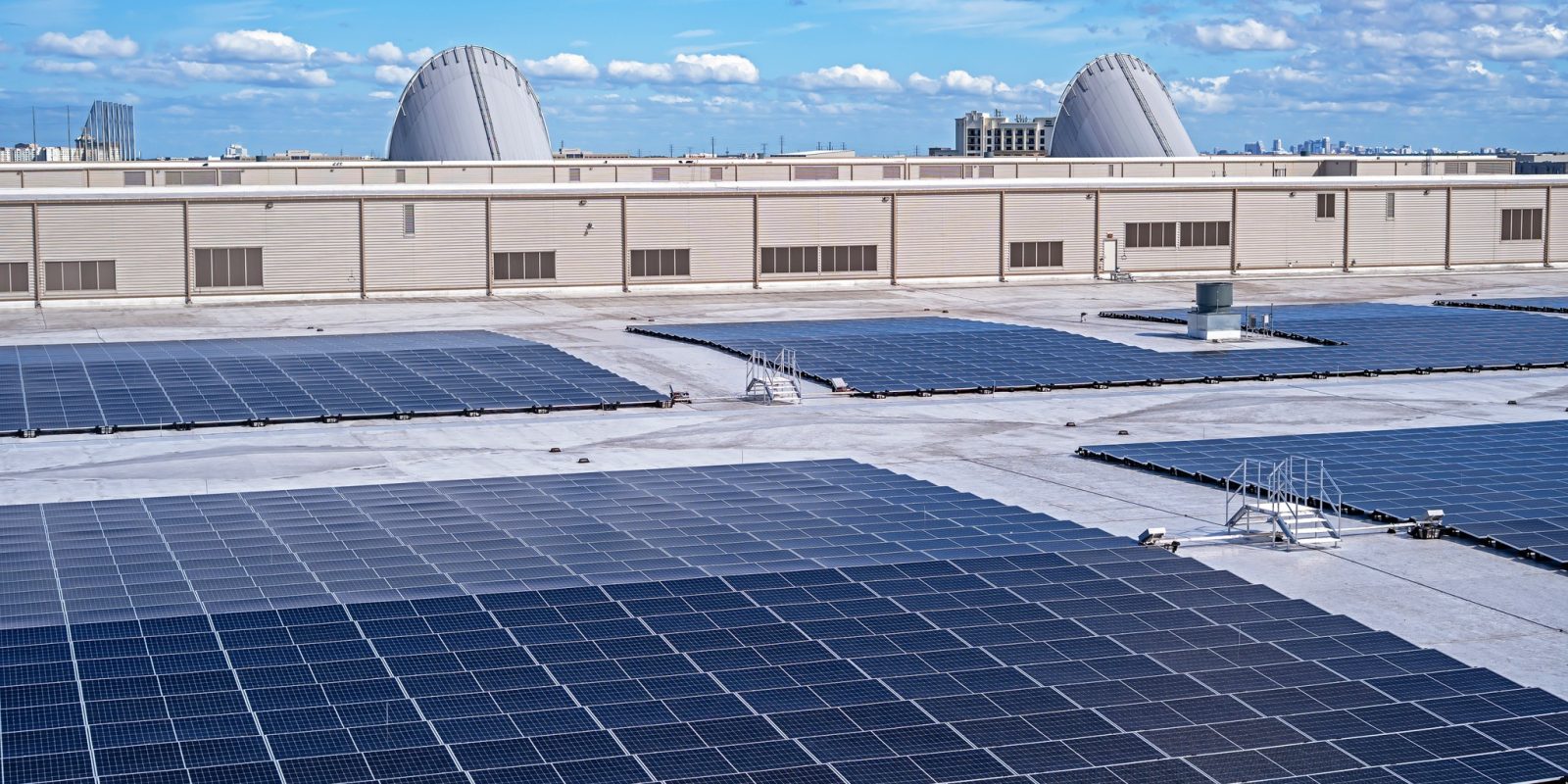
In a move that has sent shockwaves through the renewable energy industry, one of North America’s largest convention centers has achieved what many thought was physically impossible. The Orange County Convention Center (OCCC) in Orlando, Florida, has successfully doubled its solar energy output without occupying a single additional square inch of roof space or adding new panels to its massive footprint. This breakthrough marks a pivotal moment for urban solar development, proving that efficiency—not just expansion—is the key to the green energy revolution.
The Engineering Marvel of the Sunshine State
For years, the narrative around solar energy has been one of sprawl. To get more power, you needed more land, more glass, and more infrastructure. However, the latest upgrade at the OCCC turns this logic on its head. By utilizing cutting-edge optimization techniques and upgrading the internal components of their existing array, engineers have managed to squeeze twice the electrical juice out of the same solar footprint. This ‘repowering’ strategy is a masterclass in modern sustainability, showing that existing assets can be revitalized to meet the skyrocketing energy demands of the 21st century.
The OCCC has long been a leader in environmental stewardship, but this latest project sets a new global standard. By focusing on the ‘brain’ of the solar system rather than just the ‘body,’ the facility has avoided the massive costs and logistical nightmares associated with structural reinforcements and new panel procurement. It is a win-win scenario that has local taxpayers and environmentalists alike cheering for the future of Florida’s power grid.
How Science Defied Physical Space
The secret behind this dramatic increase in capacity lies in the rapid advancement of inverter technology and power optimization. Older solar installations often suffer from ‘bottlenecks’ where the energy captured by the panels is lost during the conversion process from DC to AC electricity. By swapping out legacy hardware for high-efficiency, AI-driven optimizers, the OCCC has eliminated these losses, ensuring that every photon hitting the roof is converted into usable power for the millions of visitors who walk through its doors annually.
Furthermore, the integration of advanced monitoring software allows the facility to detect and rectify minor performance dips in real-time. This level of granular control ensures that the system is always operating at its peak potential, regardless of cloud cover or seasonal shifts in sunlight. It is a level of precision that was simply unavailable when the original array was installed, highlighting just how far modern solar technology has come in a few short years.
The Economic Impact of Solar Efficiency
Beyond the environmental benefits, the financial implications of this upgrade are staggering. By doubling their output without the need for additional physical hardware, the OCCC has effectively halved their levelized cost of energy (LCOE) for this project. In an era where commercial electricity rates are volatile, having a stable, doubled source of free energy from the sun provides a massive competitive advantage. It allows the convention center to keep operational costs low, making it a more attractive venue for international events and trade shows.
- Zero additional roof structural reinforcement costs.
- Drastic reduction in carbon footprint without land acquisition.
- Enhanced grid stability for the Orlando metropolitan area.
- A blueprint for other massive commercial facilities worldwide.
As cities around the world struggle to find space for renewable energy projects, the OCCC’s model of ‘vertical efficiency’ offers a way forward. We are no longer limited by the boundaries of our rooftops; we are only limited by the technology we use to harvest the sun. This Florida miracle proves that the future of energy isn’t just about building bigger—it’s about building smarter. The OCCC has not just upgraded its power system; it has provided a glimpse into a future where every building can become a powerhouse of efficiency.