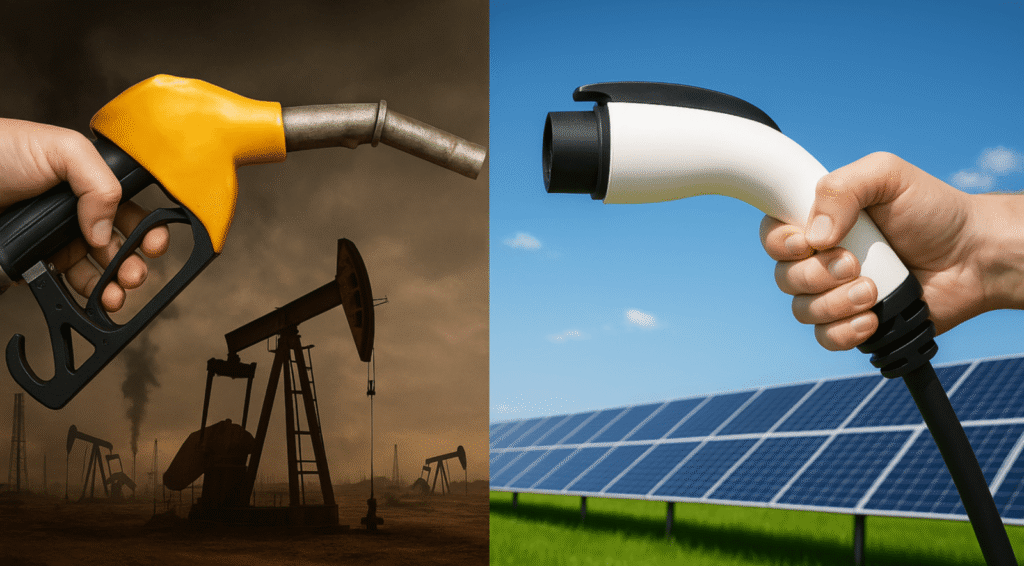
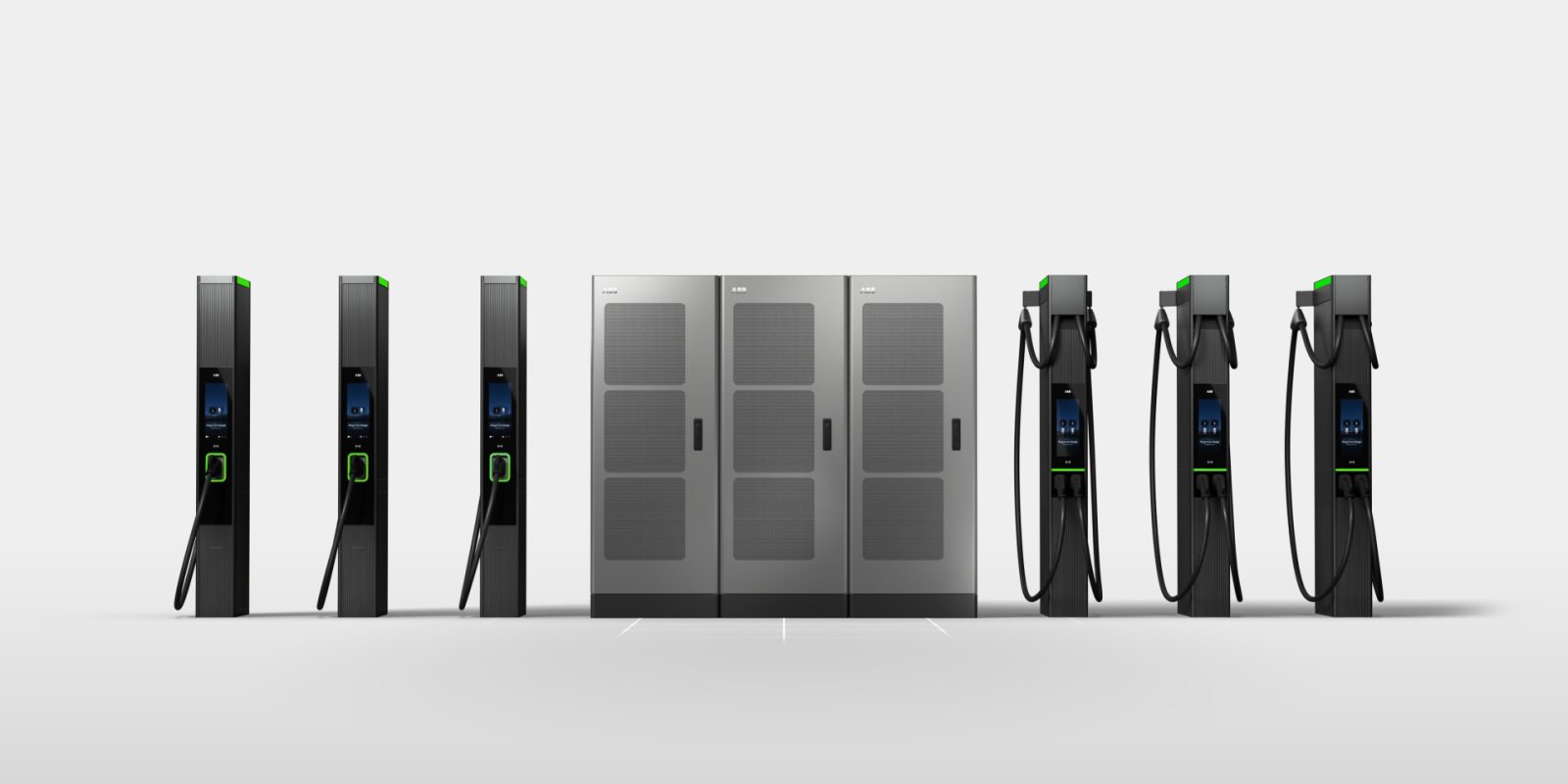
For years, the electric vehicle industry has been locked in a high-stakes arms race, with manufacturers and operators constantly chasing the dragon of ‘peak power.’ The headline-grabbing 350kW and 400kW figures have dominated the narrative, promising lightning-fast charging times that rival the convenience of a traditional gas station. However, ABB E-mobility has just shattered that paradigm with the debut of a new EV fast-charger system that prioritizes logic over hype. This isn’t just an incremental update; it is a total philosophical shift that could change how we fuel our cars forever.
The Shocking Truth Behind the Peak Power Myth
The obsession with peak power has long been the ‘holy grail’ of the EV sector, but for site operators, it has often become a financial and operational nightmare. Chasing the highest possible numbers requires massive investment in grid infrastructure, specialized cooling, and expensive hardware that is rarely utilized to its full potential. ABB E-mobility is calling ‘time-out’ on this unsustainable trend. Their new system acknowledges a truth that the industry has been whisper-quiet about: most vehicles currently on the road cannot even sustain peak charging rates for more than a few minutes.
By shifting focus away from these peak bursts, ABB is allowing operators to build sites that are smarter, more resilient, and—most importantly—profitable. Instead of building one massive ‘super-charger’ that drains the local grid, the new system focuses on dynamic power allocation and site-wide efficiency. This means more stalls, more consistent speeds, and a better experience for the average driver who just wants a reliable charge without the bells and whistles of a 400kW promise that their car cannot even handle.
Why Operators are Abandoning Mega-Watt Dreams
The reality of charging infrastructure is that the grid is a limited resource. When an operator installs a system designed purely for peak power, they are often hit with massive ‘demand charges’ from utility companies. These fees can make running a charging station economically unviable. ABB’s new approach utilizes a modular design that scales with the actual needs of the site. This allows for a much lower barrier to entry for businesses looking to enter the charging space. You can learn more about these innovations on the ABB official website where they detail the technical specifications of their modular architecture.
Furthermore, the reliability of these ‘over-clocked’ high-power chargers has historically been a pain point for the industry. High heat and extreme electrical stress lead to frequent downtime. ABB’s new system focuses on thermal management and component longevity, ensuring that when a driver pulls up to a station, the charger actually works. In the world of sensationalist tech, ‘reliability’ isn’t as sexy as ‘megawatts,’ but for the driver stranded with 5% battery, it is the only metric that matters.
A New Era of Scalable Infrastructure
What makes this debut truly viral is how it challenges the status quo. ABB E-mobility is essentially telling the world that the ‘specs war’ is over. We are entering the ‘utility phase’ of EV adoption. This new system is designed to be a workhorse, not a showpiece. It allows for future-proofing without the immediate need for massive grid overhauls, making it the perfect solution for urban centers and highway stops alike. As we look toward a future where EVs are the standard rather than the exception, the infrastructure needs to be invisible, ubiquitous, and reliable.
By killing the peak power hype, ABB is focusing on the ‘total cost of ownership’ for the people who actually build our world. This move signals to the competition that the era of vanity metrics is dead. If you want to survive the next decade of the EV revolution, you have to stop chasing the 400kW dragon and start building systems that actually serve the public grid and the consumer wallet. The industry is watching closely, and the shift is already beginning. This is the moment the EV charging market finally grew up.