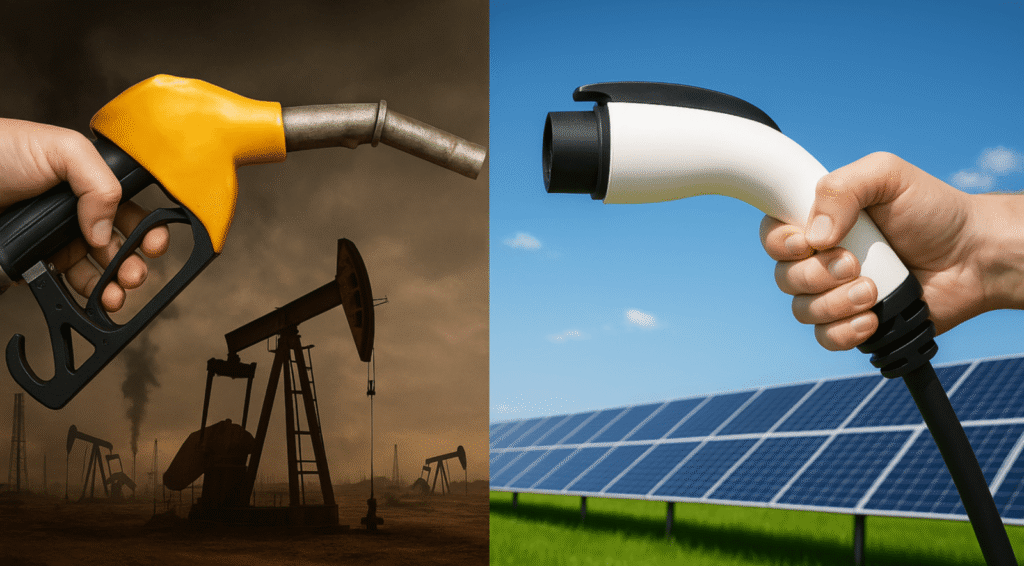

The landscape of American transportation is shifting under our feet in a way that critics never predicted. For years, the ‘range anxiety’ bogeyman haunted potential electric vehicle buyers, fueled by viral videos of stranded drivers and broken equipment. But as we barrel into 2026, the data tells a shocking story of unexpected stability. The US EV fast-charging network has finally hit a tipping point that is leaving the oil industry gasping for air.
New reports indicate that the chaotic ‘Wild West’ era of electric charging is officially over. In its place is a streamlined, efficient, and—most importantly—reliable infrastructure that rivals the traditional gas station experience. For the first time in history, EV owners are reporting a level of confidence that matches or exceeds that of internal combustion engine drivers. This isn’t just a minor improvement; it is a total transformation of how America moves.
The Death of Range Anxiety? Why 2026 is the Golden Era
While the early 2020s were marked by growing pains, technical glitches, and confusing pricing models, 2026 has emerged as the ‘Golden Era’ for the electric road trip. The statistics are undeniable: reliability is surging, pricing has stabilized, and utilization rates are holding in a perfect ‘Goldilocks’ range. This means chargers are being used enough to be profitable for operators, but not so much that drivers are forced to wait in long queues.
Industry insiders are calling this the ‘Stabilization Event.’ As more chargers come online, the redundancy of the network ensures that even if one station is down, three more are just around the corner. The secret to this success lies in the massive influx of private and federal investment that has forced charging providers to either shape up or go out of business. The result? A network that actually works for the common man, not just the tech-savvy early adopter.
Reliability and the New Infrastructure Standard
The real heroes of this story are the new high-capacity hubs being deployed by giants like IONNA and retail powerhouses like Casey’s. These companies are no longer just installing a single plug behind a dingy warehouse. Instead, they are building ‘charging destinations’—well-lit, safe, and amenity-rich locations that make the 15-minute charge feel like a luxury break rather than a chore. This shift in strategy has fixed the ‘broken charger’ crisis that plagued the industry for years.
Moreover, the integration of AI-driven maintenance systems means that issues are often fixed before a driver even pulls into the lot. The uptime for major networks has skyrocketed to over 98%, a figure that was laughed at just five years ago. This reliability is the final nail in the coffin for the ‘unreliable EV’ narrative. For more on the standards being set today, visit the Department of Energy site to see how federal guidelines are forcing this change.
The Pricing Paradox: Why Stable is Better than Cheap
Perhaps the most shocking development in 2026 is the end of price volatility. While gas prices continue to ride the roller coaster of geopolitical instability and international conflict, EV charging costs have remained remarkably flat. This predictability is a game-changer for American families. Being able to budget a cross-country move or a summer road trip down to the penny is a luxury that gas-car owners simply don’t have anymore.
We are seeing a total collapse of the old myths. Here is what the current landscape looks like for the average driver:
- Network uptime has surpassed the critical 98% threshold on all major corridors.
- Transparent, per-kWh pricing is now the mandatory industry standard.
- Ultra-fast chargers can now deliver 200 miles of range in the time it takes to grab a coffee.
- Seamless ‘roaming’ allows one app to control every charger in the country.
The 2026 data confirms that the infrastructure is not just surviving; it is thriving. The narrative of a struggling EV industry is dead. If you have been waiting for the right moment to ditch the pump and embrace the plug, the data says that moment is now. The grid is ready, the chargers are reliable, and the era of the electric road trip is here to stay.