The cycling world is currently reeling from a shockwave of innovation that threatens to render every bike in your garage obsolete. For over a century, the basic anatomy of the bicycle has remained stubbornly the same: two wheels, a frame, and a greasy, metal chain connecting your feet to the rear wheel. But that era is officially coming to a violent end. A radical new drive system is emerging from the shadows, promising to rip up the rulebook and replace heavy mechanical parts with something far more sophisticated: thin copper wires. This isn’t just a minor upgrade; it is a full-scale digital revolution that the industry giants didn’t see coming.
The End of the Chain: How Wires are Replacing Steel
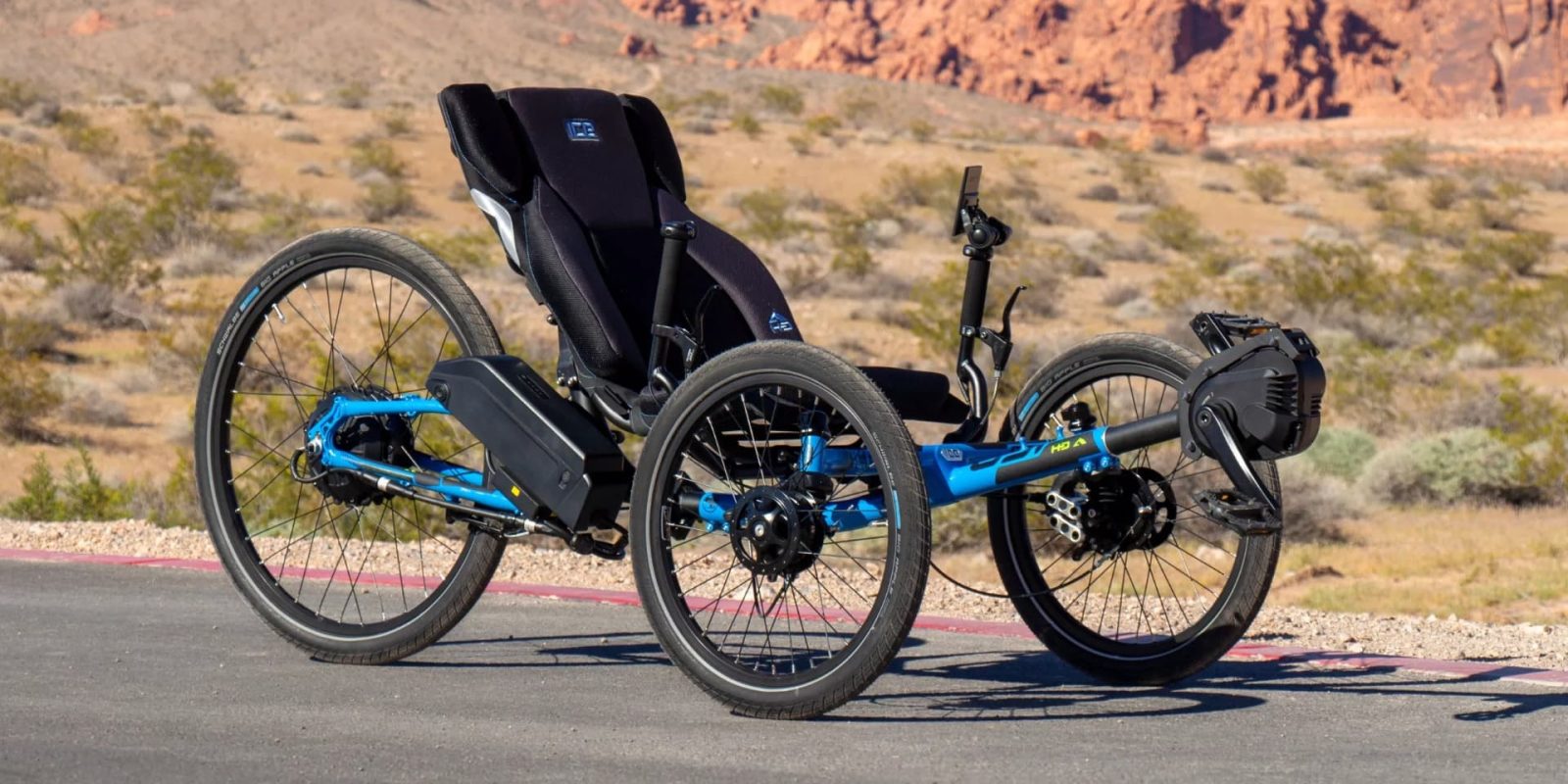
Imagine a world where you never have to deal with a dropped chain, a snapped belt, or the constant grime of a greasy derailleur. That world is closer than you think. The new pedal-by-wire e-bike system currently in development aims to do something truly radical: it removes the mechanical connection between the pedals and the rear wheel entirely. Instead of a physical link, your pedaling effort is captured by a generator at the crank, converted into electrical signals, and sent through wires to a motor at the wheel. This is the same technology used in modern fighter jets and high-end sports cars, now miniaturized for the two-wheeled market.
This breakthrough, spearheaded by innovators like those at Electrek, represents a paradigm shift in how we think about mobility. By ditching the chain, manufacturers are no longer constrained by the traditional geometry of the bicycle frame. Without the need for a straight line between the pedals and the hub, designers are free to create bikes that look like they belong in a sci-fi movie. We are talking about folding bikes that actually fit in a backpack and cargo bikes that can carry hundreds of pounds without the complexity of long, winding chains.
Why Your Next E-Bike Won’t Have a Chain
The benefits of a pedal-by-wire e-bike go far beyond just aesthetics. One of the biggest pain points for any cyclist is maintenance. Chains wear out, they stretch, and they require constant lubrication. In a wire-based system, these mechanical failure points are deleted from the equation. The digital transmission allows for infinitely variable gearing, meaning the bike can automatically adjust the resistance to match your heart rate or the incline of the hill, all without the clunky clicking of a traditional gear shifter. It is a seamless, ‘magic’ riding experience that makes traditional bikes feel like horse-drawn carriages.
Furthermore, the integration of software into the drivetrain allows for unprecedented levels of customization. Want your bike to feel like a 21-speed racer in the morning but a smooth cruiser in the afternoon? A simple firmware update or a toggle on your smartphone app can change the entire personality of the motor. This level of control is simply impossible with physical gears and metal chains. The industry is panicking because this technology lowers the barrier to entry for new riders who are intimidated by the complexity of traditional bicycle maintenance.
The Future of Urban Mobility and Maintenance
- Zero mechanical wear on the transmission system.
- Total design freedom for frame builders and engineers.
- Seamless digital shifting with no moving parts.
- Increased reliability for delivery and cargo fleets.
- Reduced weight by removing heavy steel components.
As we look toward the future of our cities, the pedal-by-wire e-bike stands out as the ultimate solution for urban congestion. Delivery fleets are already eyeing this technology with greed, realizing they could save thousands of dollars a year in repair costs. When a wire breaks, you simply plug in a new one. When a chain snaps on a heavy-duty cargo bike, you’re stranded. The reliability factor alone is enough to ensure that the chain’s days are numbered. We are witnessing the birth of the ‘smart bike,’ a vehicle that is more computer than machine, and the implications for our daily commutes are staggering. Prepare yourself, because the mechanical age of cycling is over, and the digital age is just beginning.