In a move that has sent shockwaves through the electric vehicle community, Tesla CEO Elon Musk has once again redefined the pace of automotive technological evolution. During the highly anticipated Q1 2026 earnings call, the visionary billionaire pulled back the curtain on a significant leap in computing power: the AI4.1 upgrade, also referred to as AI4 Plus. While Tesla enthusiasts are used to rapid iterations, this specific announcement carries a weight that feels different, signaling a massive shift in how the company approaches the hardware-software synergy required for true vehicular autonomy. The revelation comes at a time when the market is increasingly skeptical about the timeline for true Level 5 self-driving capabilities.
The AI4.1 Revolution: Doubling Down on Neural Processing
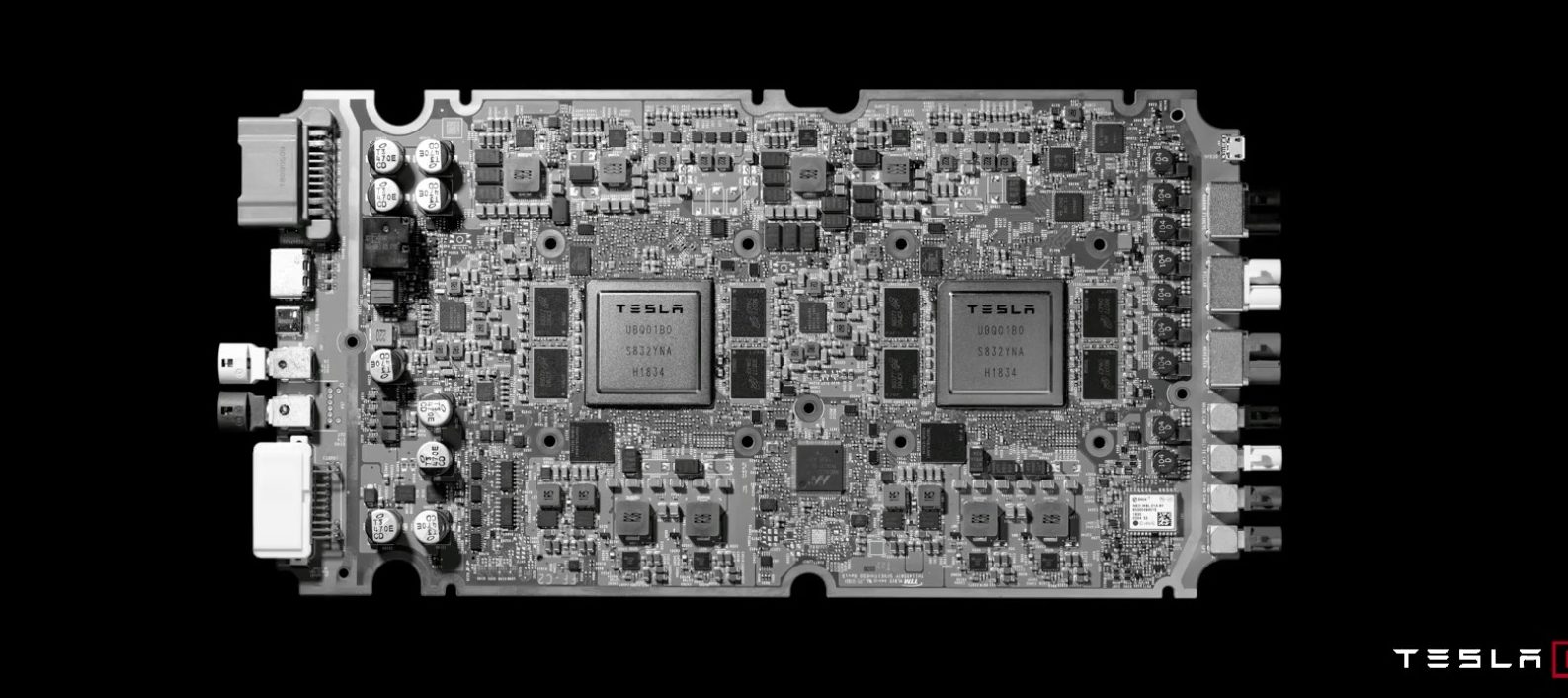
Musk detailed that the AI4.1 architecture will feature a staggering increase in system memory that dwarfs current standards. Specifically, the upgrade doubles the RAM from 16 gigabytes to 32 gigabytes per chip. With dual-chip redundancy, this brings the total system memory to a robust 64 gigabytes. This isn’t just a minor incremental update; it is a fundamental reconfiguration of the vehicle’s ‘brain.’ For context, high-end gaming rigs and professional workstations often operate within these memory ranges, highlighting the sheer computational demand of unsupervised Full Self-Driving (FSD). The jump to 64GB suggests that the neural networks required to navigate complex urban environments are growing more bloated and sophisticated than previously estimated.
The HW3 Heartbreak: A Cautionary Tale for Owners
The announcement of the Tesla AI4.1 upgrade comes at a sensitive time for the brand’s legacy. For years, Tesla sold vehicles equipped with Hardware 3 (HW3), assuring customers that the system was ‘feature complete’ for future autonomy. However, during the same earnings call, Musk finally confirmed what many independent researchers had feared: HW3 simply does not have the capability for unsupervised FSD. This admission effectively turns millions of vehicles into legacy products regarding the ultimate goal of a robotaxi fleet. The pivot to AI4.1 suggests that the computational overhead for safe, unsupervised driving is significantly higher than Tesla’s engineering team originally projected back in 2019.
- AI4.1 features 32GB of RAM per chip.
- Total system memory has been boosted to 64GB.
- HW3 officially lacks the capacity for unsupervised FSD.
- AI4 Plus is expected to become the new standard for robotaxi prototypes.
Is Your HW4 Tesla Already Outdated?
This leads to the most pressing concern for the current fleet of HW4 owners. If HW3 was abandoned for its lack of RAM and processing power, where does that leave the current Hardware 4 standard? The introduction of AI4 Plus so soon after HW4’s rollout suggests that even the latest models might face a technical ceiling sooner than expected. The doubling of RAM to 64GB in the AI4.1 variant implies that current HW4 units might struggle with the most complex edge cases required for true ‘eyes-off’ autonomy. Owners who recently took delivery of a Model S or Model X are now looking at their dashboards with a sense of trepidation, wondering if they are holding onto the next piece of obsolete tech. To stay updated on these rapidly developing changes, you can check more details at Electrek.
The implications of this hardware arms race extend beyond just the specs. It impacts resale value, software support timelines, and the fundamental trust between Tesla and its most loyal customers. As Tesla pushes the boundaries of AI, the gap between what is promised and what is physically possible continues to be bridged by expensive hardware upgrades. Whether AI4.1 is the final destination or just another stepping stone remains to be seen, but for now, the message is clear: the road to FSD is paved with silicon, and it requires more memory than anyone anticipated.