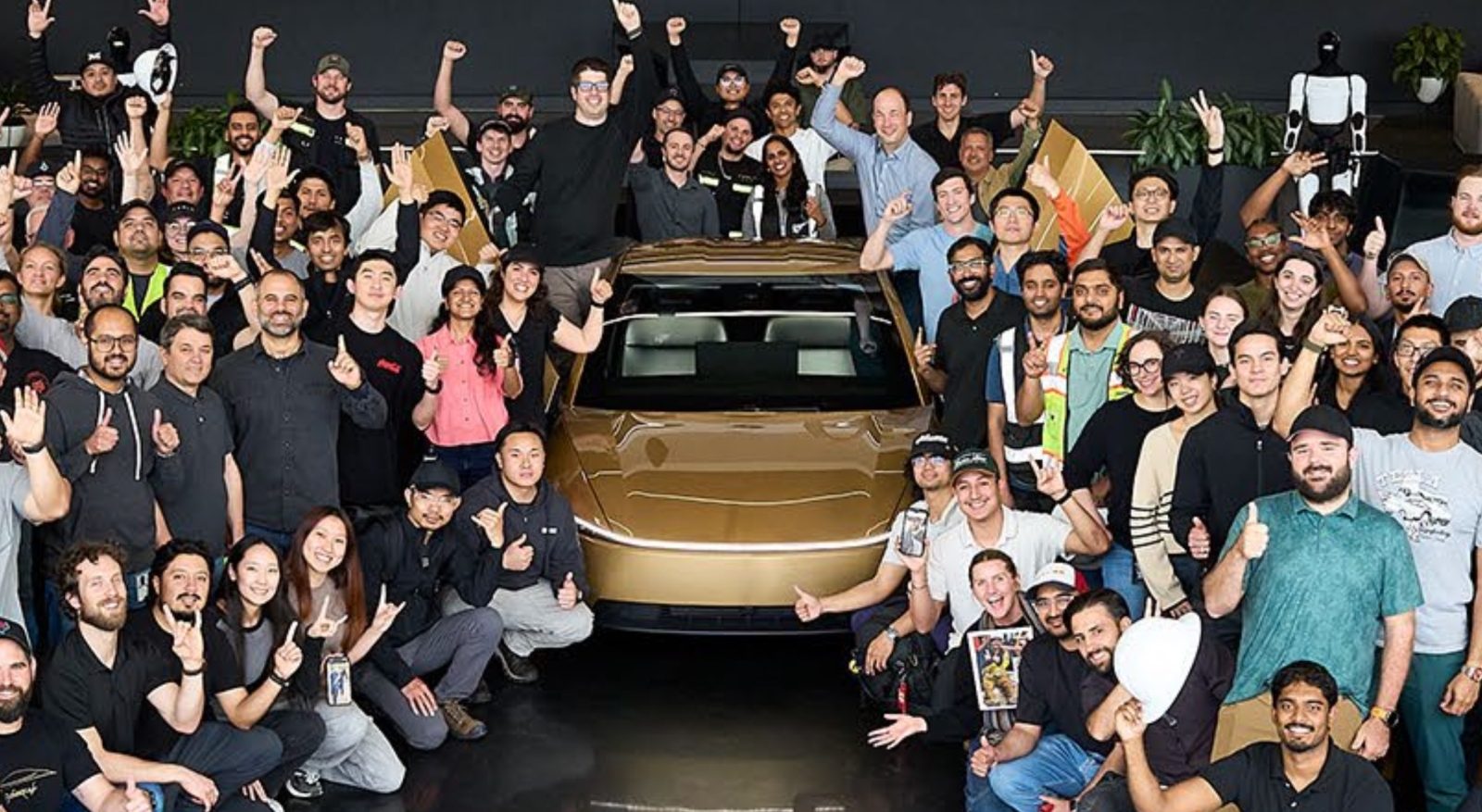
In a move that has sent shockwaves through the global automotive industry, Tesla CEO Elon Musk has officially pulled the trigger on the most anticipated vehicle of the decade. During the high-stakes Q1 2026 earnings call, Musk confirmed that the ‘Tesla Cybercab’ is no longer a futuristic dream—it is a reality currently rolling off the assembly lines at Giga Texas. This isn’t just another car launch; it is the beginning of a transportation apocalypse for traditional manufacturers who are still struggling to master basic electrification while Tesla leaps into the autonomous future.
Tesla Cybercab: The Autonomous Revolution Begins at Giga Texas
The announcement came as a bolt from the blue for investors and competitors alike. While the world was debating the feasibility of level 5 autonomy, Tesla was busy retooling Giga Texas to accommodate a vehicle that lacks a steering wheel, pedals, and mirrors. Elon Musk’s tone during the call was one of triumphant defiance, signaling that the years of research and development into Full Self-Driving (FSD) technology have finally culminated in a dedicated robotaxi platform that is ready for the mass market.
Giga Texas, already a marvel of modern engineering, has been transformed into a hive of activity. The ‘Cybercab’ production line is said to utilize the most advanced manufacturing techniques ever seen, including massive high-pressure die casting and a modular ‘unboxed’ assembly process that reduces costs by nearly 50% compared to traditional EVs. This efficiency is what Musk believes will allow Tesla to dominate the ride-hailing market, offering trips at a fraction of the cost of current services. The sheer scale of the operation suggests that Tesla isn’t just building a car, but a global infrastructure for autonomous transit.
Breaking the Chains: How Tesla Bypassed Production Limits
One of the most startling revelations from the call didn’t come from Musk, but from Lars Moravy, Tesla’s Vice President of Vehicle Engineering. For years, skeptics argued that autonomous vehicles without traditional controls would be crippled by the National Highway Traffic Safety Administration’s (NHTSA) production cap. Historically, companies were limited to producing just 2,500 autonomous vehicles per year under experimental exemptions, a number that would make a global robotaxi fleet impossible.
However, Moravy dropped a bombshell: the Tesla Cybercab will not be subject to this cap. This suggests that Tesla has successfully navigated the regulatory labyrinth, possibly by meeting existing Federal Motor Vehicle Safety Standards (FMVSS) in a way that no one expected, or through a massive shift in federal policy regarding autonomous transport. By bypassing the 2,500-vehicle limit, Tesla is cleared to produce hundreds of thousands, if not millions, of Cybercabs. This legal breakthrough is the ‘silver bullet’ that many thought would take another decade to achieve.
Industry analysts are scrambling to understand the implications of this regulatory victory. According to reports from Tesla’s official investor relations, the ability to scale without regulatory bottlenecks means the Cybercab fleet could realistically replace millions of privately owned vehicles within the next few years. The economic shift this represents is staggering, as the cost per mile for travel is expected to plummet, disrupting everything from car insurance to urban parking real estate.
The Future of Transportation: What This Means for You
What does a world filled with Cybercabs look like? For the average consumer, it means the end of car payments, insurance premiums, and maintenance headaches. The Cybercab is designed to be a ‘workhorse,’ a vehicle that operates nearly 24/7, returning to automated charging stations only when necessary. Musk has often spoken of the ‘Tesla Network,’ an app-based service where owners can add their vehicles to a fleet to earn passive income, but the Cybercab represents a dedicated, Tesla-owned fleet that could undercut every competitor on the planet.
- Unprecedented Safety: With hardware specifically tuned for FSD, Tesla claims the Cybercab is significantly safer than a human driver, utilizing a suite of cameras and AI processing.
- Zero Intervention: The vehicle is designed for a world where the passenger is just that—a passenger—allowing for productivity, sleep, or entertainment during transit.
- Economic Disruption: The low cost of operation could render public transport and traditional taxi services obsolete in urban environments almost overnight.
As production ramps up in Austin, the rest of the world is watching closely. Will other manufacturers be able to catch up, or has Tesla’s ‘unboxed’ manufacturing method and regulatory maneuvering left them in the dust? One thing is certain: the streets of 2027 will look nothing like the streets of today. The Cybercab is here, it is real, and it is rolling off the line right now at Giga Texas. The autonomous era hasn’t just started; it has accelerated into overdrive, and there is no turning back now.