Tesla’s Shocking Pivot: The Era of the Robot Begins
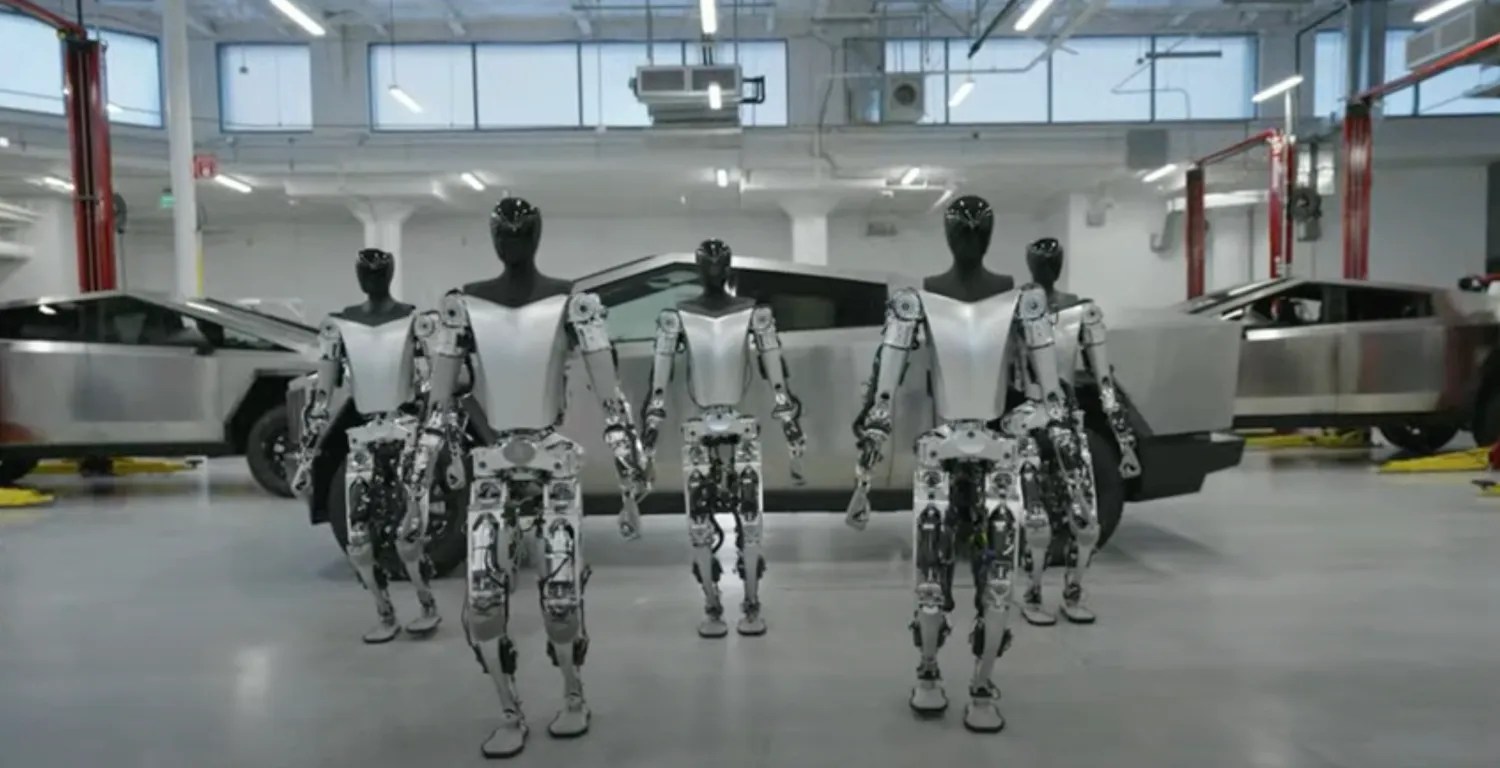
In a move that has sent shockwaves through the global economy and the tech industry alike, Elon Musk has officially declared the end of an era. During the Q1 2026 earnings call, the visionary—or perhaps mad scientist—confirmed that the iconic Fremont factory is undergoing a transformation that sounds like something ripped straight from a science fiction novel. The production lines that once birthed the revolutionary Model S and Model X are being dismantled to make way for something far more sentient: the Optimus humanoid robot. This isn’t just a minor update to a factory floor; it is a fundamental shift in what it means to be a manufacturing powerhouse. As the last Model S rolls off the line this May, the silence in the Fremont halls will be short-lived. By July or August, the clanking of gears and the hum of artificial intelligence will take over.
The world is watching, and for many, the prospect of a robot army being mass-produced in the heart of California is both exhilarating and terrifying. Musk is betting the entire house on the idea that humanoid robots will eventually eclipse the value of the electric vehicle market. Critics argue that this is another classic Musk distraction, but the timeline is set in stone. The transition marks a point of no return for Tesla, moving away from its roots as a car company to become the world’s leader in autonomous biological-replacement technology.
The 10,000 Part Engineering Nightmare
Musk, never one to shy away from hyperbole, was surprisingly candid about the difficulties ahead. He warned investors and the public that initial output would be ‘quite slow.’ But why the hesitation? According to the CEO, the Optimus robot is comprised of over 10,000 unique parts. To put that into perspective, your average internal combustion engine vehicle has about 30,000 parts, but those parts are stationary or rotating in predictable patterns. A humanoid robot must mimic the fluid, complex motions of a human being, requiring sensors, actuators, and software integration that have never been attempted at this scale.
Building a car is child’s play compared to building a synthetic human. Musk noted that it is ‘literally impossible to predict’ the exact production rate for the remainder of 2026. The complexity of the supply chain alone is enough to give any logistics expert a migraine. From custom-designed actuators to the AI ‘brain’ powered by Dojo, every single one of those 10,000 parts must work in perfect harmony. If one sensor fails, the robot falls. If the software glitches, the machine becomes a very expensive paperweight. This level of precision is why the ramp-up will be painfully slow, as the Tesla Investor Relations team prepares for a volatile fiscal year.
A New Economy: Will Robots Replace the Workforce?
The implications of this production shift are staggering. By replacing the production lines of luxury sedans with humanoid robots, Tesla is signaling that its future isn’t in transportation—it is in labor. Musk has previously stated that Optimus could eventually be more significant than the automotive side of the business. We are looking at a future where these machines could handle everything from warehouse work to household chores. But at what cost to the human worker? If a robot can work 24 hours a day without a union, a break, or a paycheck, the economic structure of the modern world will collapse and be rebuilt in Musk’s image.
As we look toward the end of the year, the question remains: is the world ready? The Fremont transition marks the first time a major automotive manufacturer has pivoted its primary real estate to robotics. It is a gamble of cosmic proportions. If Musk succeeds, he will have solved the labor crisis and potentially ushered in a post-scarcity economy. If he fails, the ‘10,000 part nightmare’ could become the anchor that drags the Tesla empire down. Regardless of the outcome, the age of the machine is no longer coming; it is already at the door.
- Optimus production starts late July/August 2026 at the Fremont facility.
- The historic Model S and X lines will be fully decommissioned by May.
- Each humanoid unit features over 10,000 specialized components.
- Musk admits production rates for 2026 are currently impossible to forecast.
The countdown has begun. In just a few months, the first production-ready Optimus units will step off the line. Whether they are the helpers of the future or the harbingers of a new industrial revolution, one thing is certain: Elon Musk has once again forced the world to pay attention. The streets of Fremont will never be the same again.