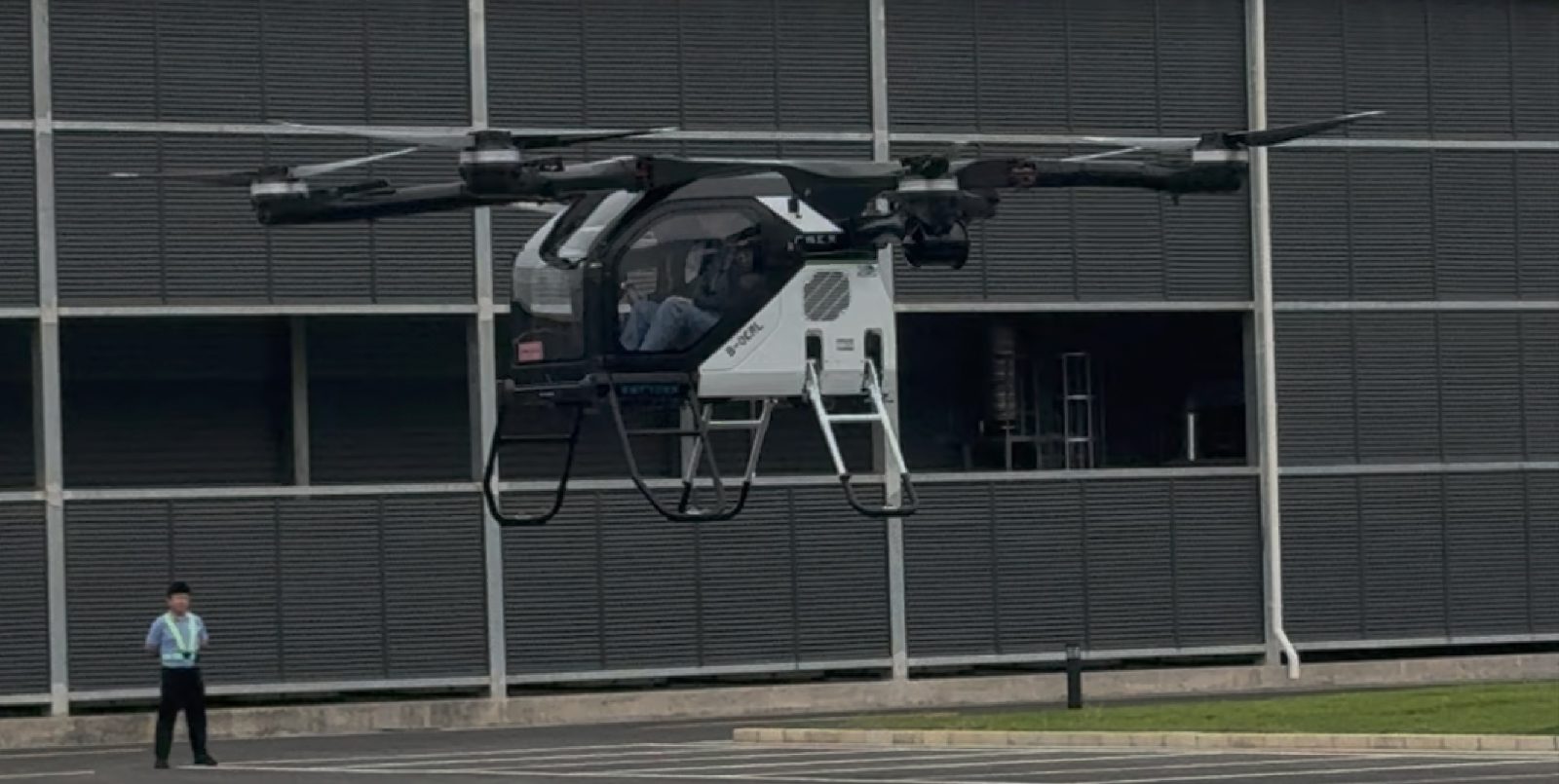
The era of the flying car is no longer a sci-fi dream relegated to the silver screen; it is happening right now in Guangzhou, China. Xpeng’s specialized aviation division, Aridge, recently pulled back the curtain on its gargantuan manufacturing facility, proving to the world that electric vertical takeoff and landing (eVTOL) vehicles are ready for prime time. This is not just a prototype lab; it is a full-scale production powerhouse designed to churn out flying machines at a rate that should terrify traditional aerospace giants. During a recent exclusive media tour, the sheer scale of the operation became undeniable. The facility is buzzing with activity, housing dozens of aircraft at various stages of completion. From raw carbon fiber shells that look like something out of a Batman movie to fully assembled units undergoing rigorous quality control checks, the Aridge factory is the beating heart of a new transportation revolution.
The Future Takes Flight: Inside the Aridge Mega-Factory
Walking through the doors of the Aridge plant is like stepping into the year 2050. The air is filled with the smell of high-grade composites and the rhythmic hum of precision machinery. Xpeng has successfully transitioned its expertise from ground-based electric vehicles to the three-dimensional realm of flight. The sheer audacity of the project is matched only by the technical sophistication on display. Unlike many startups in the eVTOL space that struggle to move past the rendering phase, Aridge has approximately 20 aircraft currently on the line. This physical evidence of progress signals a massive shift in the industry. The company is validating its manufacturing processes in real-time, ensuring that when the first commercial units roll off the line, they meet the highest safety standards required for manned flight.
Massive Production Scale Never Seen Before
The core of Aridge’s advantage lies in its vertical integration. By leveraging Xpeng’s existing supply chain and battery technology, they have managed to bypass many of the bottlenecks that plague other aviation startups. The use of carbon fiber is extensive, providing the necessary strength-to-weight ratio required to keep these electric birds aloft while maintaining a decent range. Each aircraft is a marvel of engineering, featuring redundant systems to ensure pilot and passenger safety. The factory floor is organized into specific zones: lamination, assembly, electronics integration, and final testing. Observing the technicians carefully install the multi-rotor systems onto the carbon fiber frames highlights the level of detail required for such a pioneering product. This is industrialization at its most ambitious scale, proving that China is determined to win the race for the skies.
When Can You Buy One? Deliveries Imminent
The question on everyone’s lips is: when will these hit the market? Xpeng and Aridge are not being shy about their timelines. Deliveries are planned for later this year, making them one of the first companies globally to put a consumer-grade flying car into the hands of owners. While the initial roll-out will likely face strict regulatory oversight, the groundwork is being laid for a future where your commute could involve a flight path rather than a highway exit. The global race for air supremacy in the urban mobility sector is heating up, and China is currently leading the pack. With support from local governments and a clear vision for the ‘low-altitude economy,’ Aridge is positioned to dominate a market that analysts predict will be worth billions in the coming decade. As we look toward the sky, it is clear that the roar of jet engines might soon be replaced by the silent whir of electric propellers. Visit Electrek for more EV news and stay updated on the latest breakthroughs in sustainable transport and flying cars.