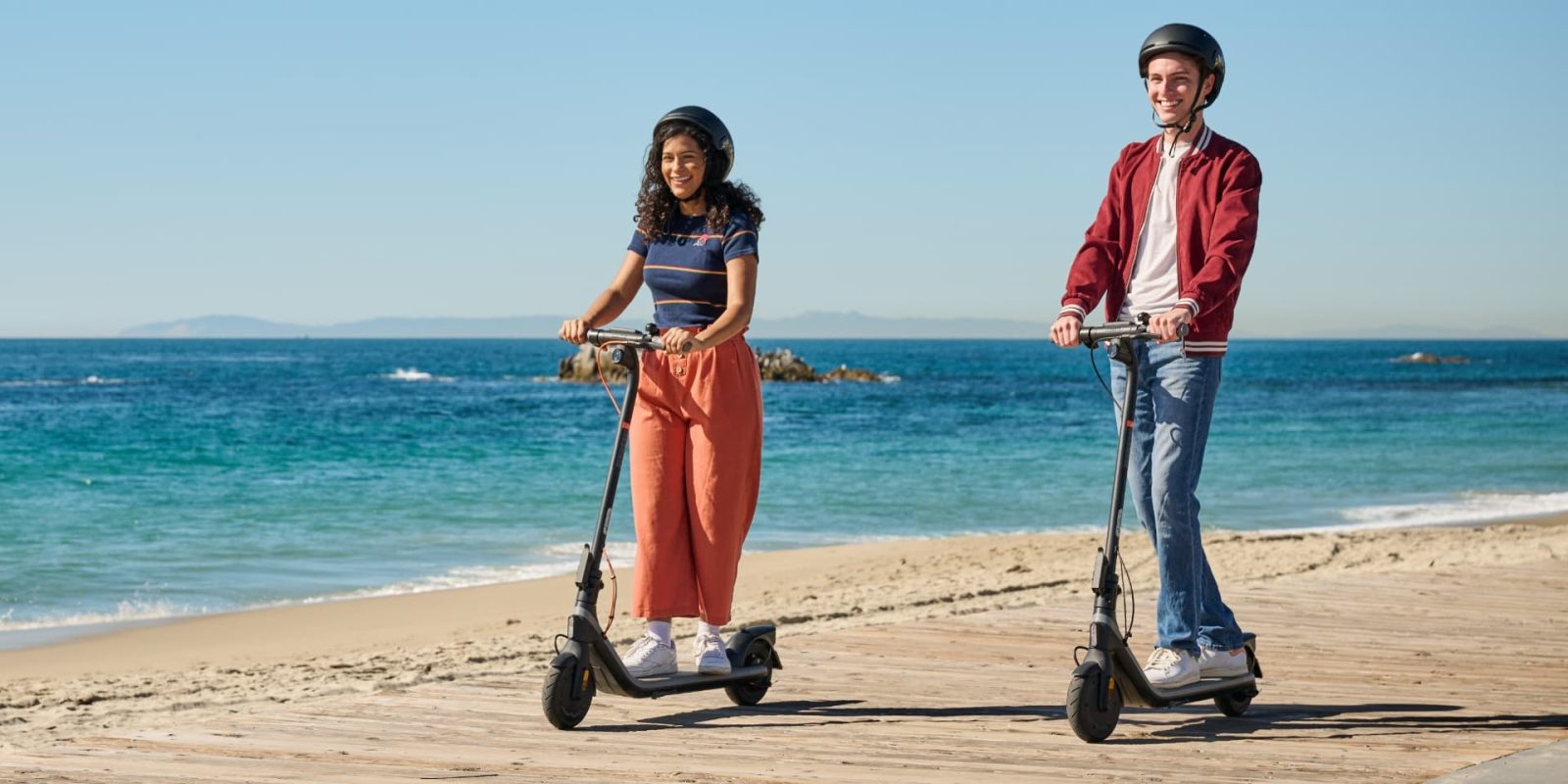
The micromobility landscape has just witnessed a seismic shift that few predicted but everyone is now talking about. Segway, the brand that once became synonymous with mall security and niche tourism, has officially cemented its status as the absolute king of the urban commute. The company recently announced a milestone that is sending shockwaves through the electric vehicle industry: they have officially sold over one million units of the Ninebot E2 series electric scooters worldwide. This is not just a sales figure; it is a full-blown cultural phenomenon that signals the beginning of the end for the gas-guzzling short-distance commute.
The Explosive Rise of the Segway Ninebot E2 Series
When the Ninebot E2 series was first unveiled to the public, many industry skeptics questioned whether the market was already saturated with budget-friendly electric scooters. However, Segway proved the doubters wrong by delivering a masterclass in engineering, affordability, and reliability. The E2 series was designed not just as a gadget or a toy, but as a legitimate, heavy-duty transportation tool for the modern urbanite. With its sleek design, robust frame, and intuitive controls, it successfully bridged the gap between expensive high-end commuters and flimsy entry-level models that often failed after a few months of use.
The sheer volume of sales—one million units for a single model series—speaks to a global demand for sustainable transport that many traditional automakers have failed to capture. In cities from Paris to New York, the Ninebot E2 has become a ubiquitous sight, weaving through gridlocked traffic and parking in spaces where traditional cars simply cannot fit. This milestone highlights the massive pivot towards personal electric vehicles (PEVs) as consumers look for ways to bypass rising fuel costs, parking fees, and crumbling public transit infrastructure. Segway has effectively democratized electric travel for the masses.
Why This Milestone Changes Everything for Micromobility
Selling a million units of a single model is a feat usually reserved for the likes of the iPhone or the Toyota Corolla. In the world of electric scooters, it is almost unheard of. This level of scale allows Segway to optimize its global supply chains, reduce manufacturing costs, and implement safety features that were previously considered too expensive for mass-market adoption. It proves that there is a massive, untapped market for ‘last-mile’ solutions that are both practical and stylish. For competitors, this is a wake-up call that Segway is not just participating in the market; they are defining it.
The success of the E2 series also forces city planners to rethink urban design. When one million people are riding the same model of scooter, the need for dedicated lanes, charging stations, and better road maintenance becomes impossible for local governments to ignore. Segway isn’t just selling hardware; they are lobbying for a future where the car is no longer the center of the city. You can find more updates on the latest in electric vehicle news here, where the industry continues to evolve at breakneck speeds.
The Secret Sauce: Engineering and Accessibility
What exactly made the E2 series so popular compared to its rivals? It comes down to a specific ‘Secret Sauce’ of accessibility and build quality. Segway focused on several key pillars that resonated with the average buyer:
- Large, puncture-resistant tires that handle city potholes and uneven sidewalks with ease.
- A powerful motor that provides consistent torque, ensuring riders don’t lose speed on moderate inclines.
- An integrated, high-visibility dashboard that provides real-time data without distracting the rider.
- Sophisticated battery management systems (BMS) that ensure long-term battery health and safety during charging.
By focusing on these essential features while keeping the price point accessible, Segway captured the hearts and wallets of college students, delivery workers, and office professionals alike. The E2 series isn’t just a scooter; it is a ticket to freedom in an increasingly congested world. As we look toward the future, the question isn’t whether Segway will continue to lead, but how far they can take this momentum. With one million units already on the road, the data Segway has gathered will undoubtedly fuel the next generation of micromobility innovations. The age of the electric scooter isn’t just starting—it is already here, and Segway is leading the pack.