A Seismic Shift in the Global EV Power Balance
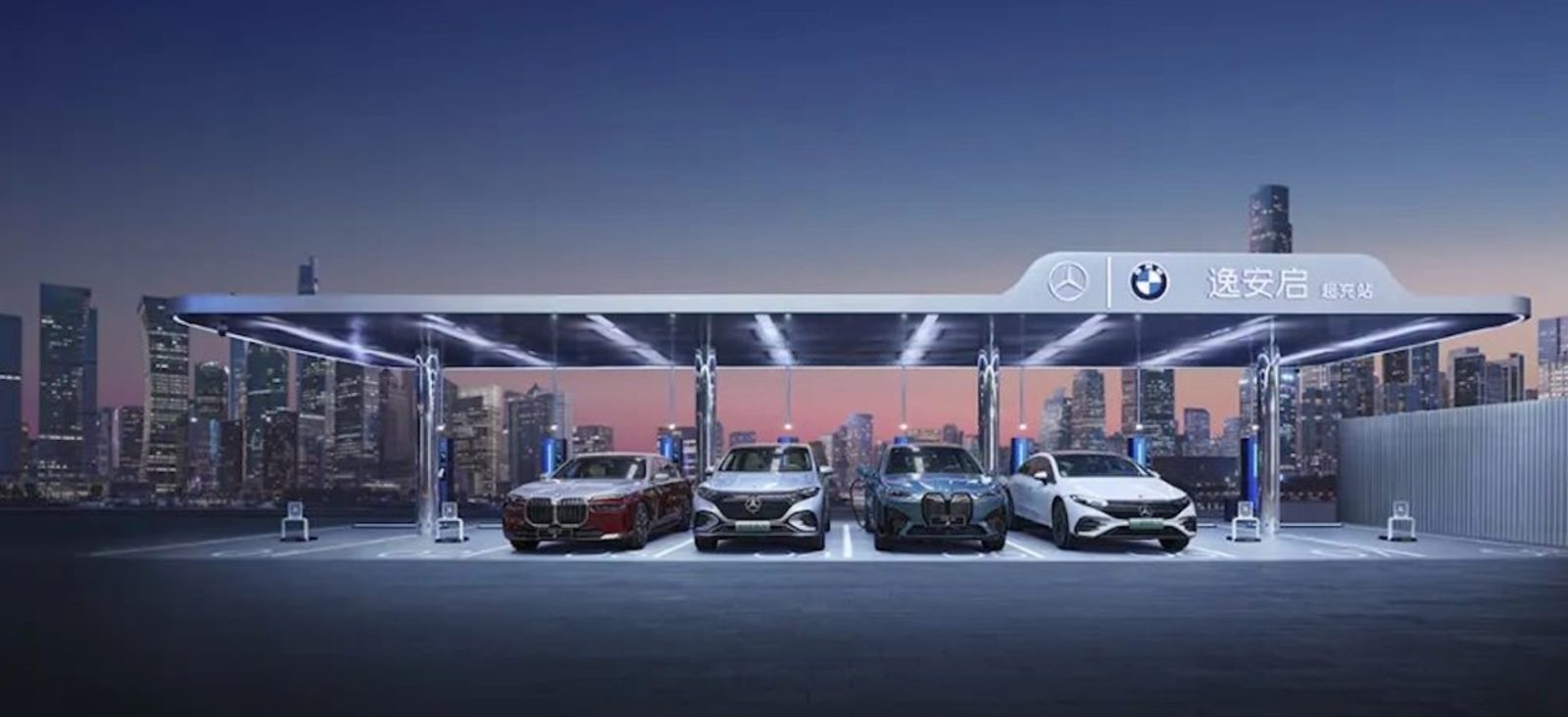
The landscape of the electric vehicle industry in China has been permanently altered. In a stunning reversal of European dominance, BMW and Mercedes-Benz have opened the doors of their prestigious IONCHI charging joint venture to a third, incredibly powerful player: the SERES Group’s AITO brand. This is not just a simple business transaction; it is a surrender to the changing tides of the luxury market where Chinese tech prowess is now on equal footing with century-old German engineering. The previous 50:50 partnership between the two German giants has been dismantled and restructured into a perfect 33.3% split, signaling that AITO—the brand famously powered by Huawei’s technology—is no longer an outsider. It is now a kingmaker in the world of premium infrastructure.
For decades, the German automotive industry has operated with a sense of untouchable prestige. However, the rise of domestic Chinese brands has forced even the most established players to reconsider their isolationist strategies. IONCHI was originally designed as an elite, high-speed charging network intended to protect the market share of BMW and Mercedes-Benz. By allowing AITO to join as an equal shareholder, the German brands are acknowledging that they can no longer dominate the Chinese landscape alone. This move is a clear indicator that the future of luxury travel in China will be built on collaborative, cross-border infrastructure rather than siloed, brand-specific silos.
The Death of the German Duopoly in China?
For years, industry analysts argued that German luxury could survive the EV transition by maintaining their superior brand prestige and mechanical excellence. However, in the Chinese market, prestige is increasingly defined by software, smart connectivity, and intelligent ecosystems—areas where Huawei’s deep influence on AITO has given the brand a massive competitive edge. By integrating AITO into the IONCHI framework, BMW and Mercedes-Benz are essentially admitting that they need Chinese local expertise and a broader customer base to make their infrastructure projects economically viable. This is a massive win for the SERES Group, which now gains direct access to the technical synergy and high-end locations originally scouted by the German marques.
AITO has seen meteoric growth recently, with its M7 and M9 models dominating the luxury SUV charts. This success has turned the brand into a formidable force that can no longer be ignored. The restructuring of the 50:50 joint venture into a three-way partnership is a historic concession. It proves that in the modern era, having a legendary badge like the three-pointed star or the blue-and-white roundel is no longer enough to win the infrastructure war. You need partners who understand the digital heartbeat of the modern Chinese consumer.
Premium Infrastructure as the Ultimate Power Weapon
The battle for EV supremacy is no longer just about who builds the fastest car; it is about who controls the energy ecosystem. As competitors like NIO continue to expand their battery-swapping networks and Tesla opens up its Supercharger network to third parties, the IONCHI JV represents the ‘old guard’ fighting back with ‘new blood.’ This partnership will likely see the rollout of ultra-fast liquid-cooled charging piles capable of delivering hundreds of kilometers of range in mere minutes, rivaling the best tech on the planet. For luxury car buyers, this move is a dream scenario, providing a unified, high-end charging experience across three of the most popular premium brands in the country.
According to industry reports and data from Reuters, this level of cooperation between direct competitors is rare and speaks to the strategic urgency of the current market. The sheer capital required to build a nationwide high-speed network is astronomical, and by splitting the costs three ways, BMW, Mercedes, and SERES can accelerate their deployment at a pace that would be impossible individually. However, for competitors, this alliance is a nightmare. With Huawei’s technical backend and the combined capital and prestige of BMW and Mercedes, IONCHI is poised to become the gold standard for charging in China, potentially locking out other players from the most lucrative urban locations.
Ultimately, this deal represents the new reality of the automotive world: a world where traditional powerhouses must share their table with the tech-driven giants of the East. Whether this leads to a permanent shift in how luxury cars are sold remains to be seen, but for now, the IONCHI JV is the most significant partnership in the industry. The era of the German duopoly is over, and the era of the global tech-auto alliance has officially begun.