The California Dream Turns into a Tesla Nightmare
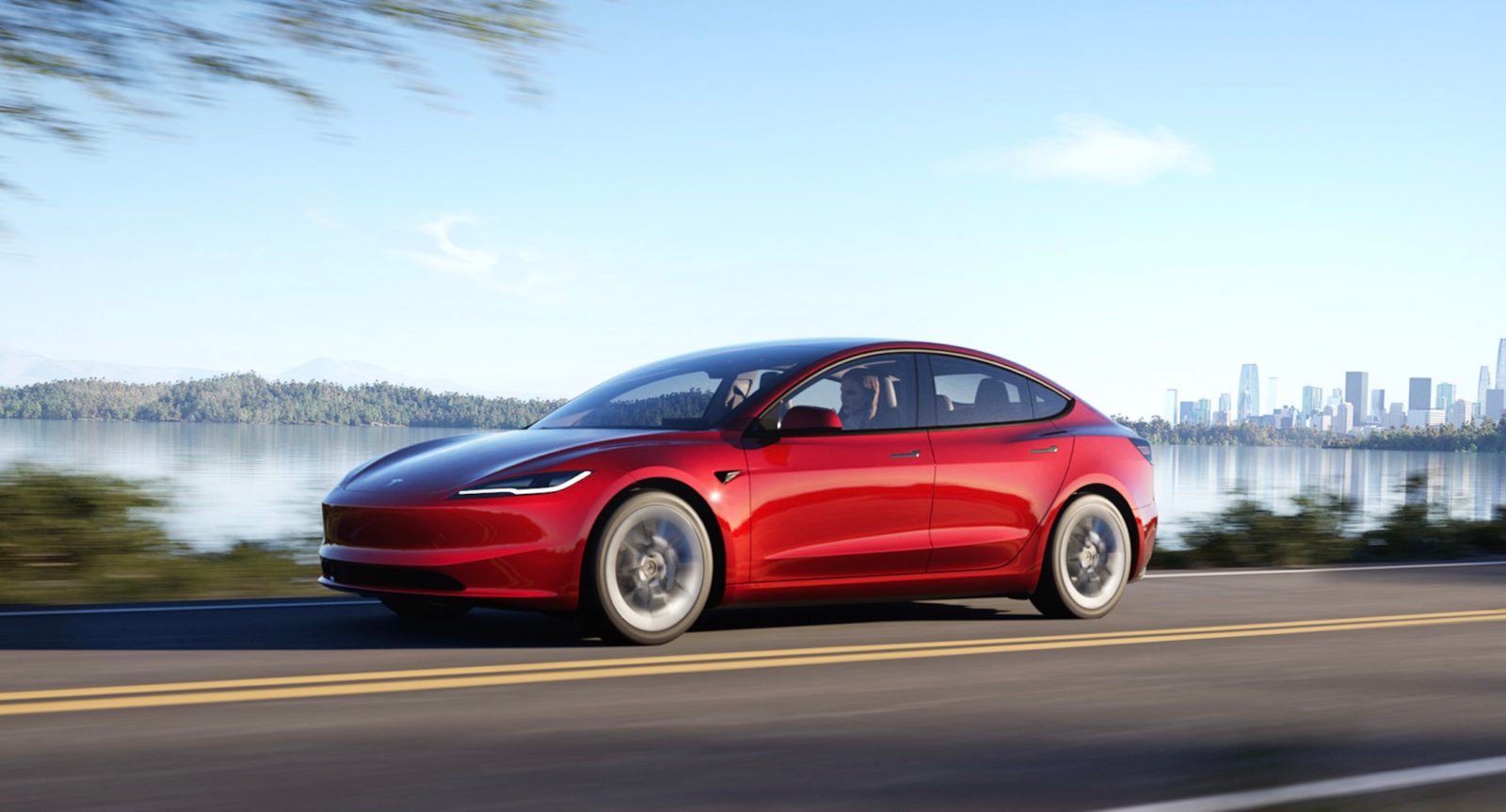
In a shocking turn of events that has sent shockwaves through the global automotive industry, Tesla’s once-unshakable dominance in the California market appears to be evaporating before our very eyes. Once the undisputed king of the Golden State’s highways, the electric vehicle titan is now facing a reckoning that few analysts dared to predict. According to the latest data released for the first quarter of 2026, registrations for Tesla vehicles have plummeted by a staggering 24.3%. This is not just a minor correction or a seasonal dip; it is a full-blown sales catastrophe for Elon Musk’s flagship company in its most vital territory.
The numbers provided by the California New Car Dealers Association (CNCDA) paint a grim picture of a brand in retreat. In just three short months, Tesla sold over 10,000 fewer vehicles compared to the same period in 2025. For a brand that has historically enjoyed exponential growth and cult-like devotion in the region, these figures represent a tectonic shift in consumer sentiment. The state that essentially birthed the modern EV movement and served as Tesla’s primary fortress is now showing signs of massive fatigue, leaving many to wonder if the world has finally reached ‘Peak Tesla.’
A Market in Freefall: The Numbers Don’t Lie
The Q1 2026 Auto Outlook report from the CNCDA is more than just a collection of industry statistics; it is a dire warning shot for the entire green energy sector. Not only is Tesla bleeding market share, but the entire zero-emission vehicle (ZEV) market in California is taking a massive hit. The report reveals that the state’s overall ZEV market share has plunged to a mere 13.7%. To put that into perspective, this is the lowest level recorded since the fourth quarter of 2021. The rapid adoption of electric cars, which once seemed like an unstoppable force of nature, has officially hit a brick wall.
Why is this happening now? For over a decade, California served as the ultimate testing ground and profit engine for Tesla. High gas prices, environmental consciousness, and generous state incentives created the perfect environment for EV adoption. However, the data suggests that the ‘early adopter’ phase is officially over, and the industry is failing to capture the ‘mass market’ consumer. The loss of 10,000 unit sales in a single quarter suggests that Tesla is losing its aspirational status among California’s car buyers. The ‘cool factor’ that once made a Model 3 or Model Y a mandatory status symbol in Silicon Valley and Los Angeles is clearly fading.
- Tesla registrations crashed by 24.3% in Q1 2026.
- More than 10,000 fewer units sold compared to the previous year.
- California’s total ZEV market share dropped to 13.7%.
- The lowest market penetration for EVs since 2021.
Why Are Californians Abandoning Elon Musk?
While the economic climate and high interest rates certainly play a role in slowing down car sales, industry experts point toward a more specific combination of brand fatigue and fierce new competition. Brands like Rivian, Lucid, and even legacy giants like Ford, Hyundai, and BMW are finally offering compelling alternatives that are eating into Tesla’s territory. Consumers who once felt that a Tesla was the only viable high-performance electric option now have a plethora of choices that often offer superior build quality and fresh, innovative designs. The Model 3 and Model Y, while revolutionary at launch, are starting to look dated and repetitive in a market that craves the ‘next big thing.’
Furthermore, the polarizing nature of Tesla’s CEO, Elon Musk, is increasingly cited as a deterrent. His controversial public persona and political involvement have alienated a significant portion of California’s historically progressive buyer base. In a state where brand values often dictate purchasing decisions as much as performance specs, the ‘Musk factor’ has transformed from a marketing asset into a significant brand liability. As reported by Electrek, the shift in the market is palpable, and the era of easy dominance for Tesla is officially over.
As we look toward the remainder of 2026, the question on every investor’s mind is whether Tesla can pivot and regain its momentum. The company has attempted to stimulate demand with aggressive price cuts throughout 2025, but those measures have clearly failed to produce the volume needed to sustain its growth targets. If California—the crown jewel of the EV world—is turning its back on Tesla, it may only be a matter of time before the rest of the global market follows suit. This 24.3% crash is the first real crack in the company’s armor, and the implications for the future of the electric vehicle industry are nothing short of revolutionary.
Analysts are now watching for the next move from Austin. Will the long-promised next-generation platform arrive in time to save the brand, or has the damage to Tesla’s reputation in California been done? With competitors ramping up production and consumer loyalty shifting toward more traditional luxury brands, the road ahead for Tesla looks more uncertain than ever. This isn’t just a sales report; it’s the end of an era for the company that once defined the future of transportation. California has spoken, and the message is loud and clear: the Tesla honeymoon is over.