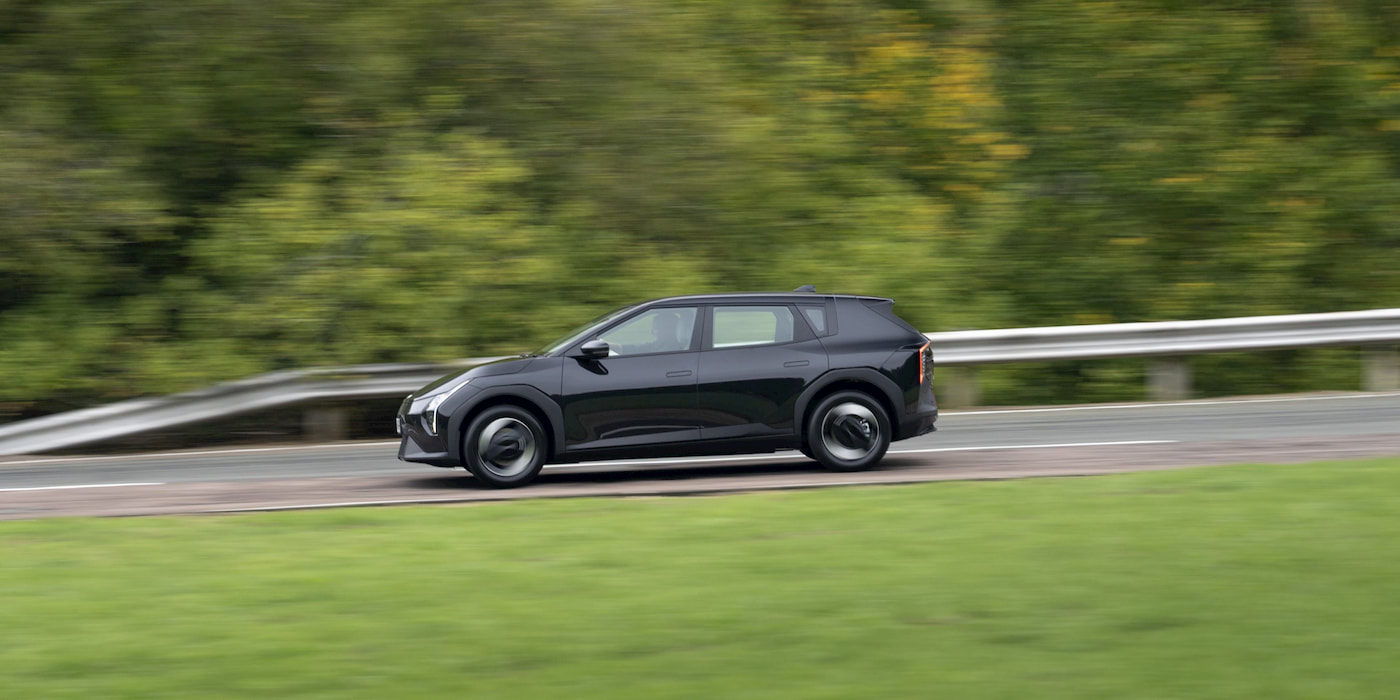
In a move that has sent shockwaves through the global automotive industry, Kia has officially declared an all-out price war. In what many are calling a desperate but brilliant tactical strike, the South Korean automaker has slashed the price of its highly anticipated EV4 by a staggering $10,000 in key markets. This isn’t just a minor adjustment; it is an economic earthquake designed to bury the competition and force every other manufacturer to rethink their strategy. For consumers, this is the moment they have been waiting for—the high barrier to entry for premium electric vehicles has finally been demolished by a sledgehammer of savings.
The timing of this announcement is no coincidence. Just days after Volkswagen attempted to seize the spotlight with the launch of its upgraded ID.3 Neo, Kia decided to pull the rug out from under the German giant. The electric vehicle sector is no longer a polite gathering of innovators; it has transformed into a high-stakes gladiator arena where only the most aggressive will survive. By cutting over $10,000 off the MSRP, Kia is making a clear statement: they are here to dominate the entry-level and mid-range EV segments, regardless of the cost to their profit margins in the short term.
The Shocking Truth Behind Kia’s Massive Price Reduction
Why would a company like Kia voluntarily sacrifice such a massive portion of its revenue per vehicle? The answer lies in the cutthroat nature of the current EV landscape. Industry insiders suggest that the rise of affordable Chinese EVs and the renewed pressure from legacy brands like Volkswagen have created a ‘do or die’ scenario. Kia isn’t just selling a car; they are fighting for market share in a world where brand loyalty is increasingly being replaced by value-driven decision-making. The EV4, which was already a formidable contender in terms of design and technology, has now become an untouchable value proposition.
The $10,000 price cut effectively moves the EV4 from a premium ‘aspirational’ vehicle into the territory of mass-market affordability. This move is expected to trigger a domino effect across the industry. If Kia can offer a vehicle of this caliber at such a drastically reduced price, how can competitors justify their current pricing models? We are witnessing the democratization of electric mobility, but it is coming at a price that some smaller manufacturers may not be able to pay. The ‘EV bloodbath’ that analysts predicted years ago has finally arrived, and Kia is currently holding the sharpest blade.
Why the Volkswagen ID.3 Neo Started This War
The catalyst for this sudden price massacre was undoubtedly the release of the Volkswagen ID.3 Neo. VW had hoped to reclaim its crown as the people’s car manufacturer by offering a refreshed, tech-heavy version of its flagship electric hatchback. The ID.3 Neo was designed to fix the software glitches and interior quality issues of its predecessor, positioning it as the gold standard for compact EVs. However, Kia’s response has completely overshadowed VW’s launch. While the ID.3 Neo offers incremental improvements, a $10,000 discount on a rival Kia model is a value argument that is impossible for most buyers to ignore.
Analysts believe that Volkswagen may now be forced to offer its own round of discounts or incentives to keep the ID.3 Neo relevant. This cycle of price-cutting, while beneficial for the end-user, puts immense pressure on manufacturing efficiency and battery supply chains. Kia’s ability to pivot so quickly suggests that they have achieved a level of production scale that their rivals are still struggling to match. The battle of the entry-level EVs is no longer about who has the best infotainment system; it is about who can survive a race to the bottom in pricing without going bankrupt.
What This Means for Your Wallet and the Future of EVs
If you have been sitting on the sidelines waiting for the right time to switch to electric, your patience has just been rewarded. The Kia EV4 price cut signifies a shift in the power dynamic between manufacturers and consumers. For the first time, the ‘EV tax’—the premium price traditionally paid for battery technology—is evaporating in real-time. This massive reduction makes the total cost of ownership for an EV significantly lower than a traditional internal combustion engine vehicle in many regions, especially when considering fuel savings and maintenance.
Looking forward, this event marks the end of the ‘early adopter’ phase of the electric revolution. We are now entering the era of mass-market saturation. As Kia leads the charge with these aggressive discounts, expect other players like Tesla, Ford, and Hyundai to respond with their own sensational offers. The market is currently a buyer’s paradise, but it remains to be seen how long these prices can stay this low before the industry reaches a breaking point. One thing is certain: the era of overpriced EVs is officially over, and Kia has just fired the shot that changed everything.