Tesla’s Secret Infrastructure: The Arizona Permitting Bombshell
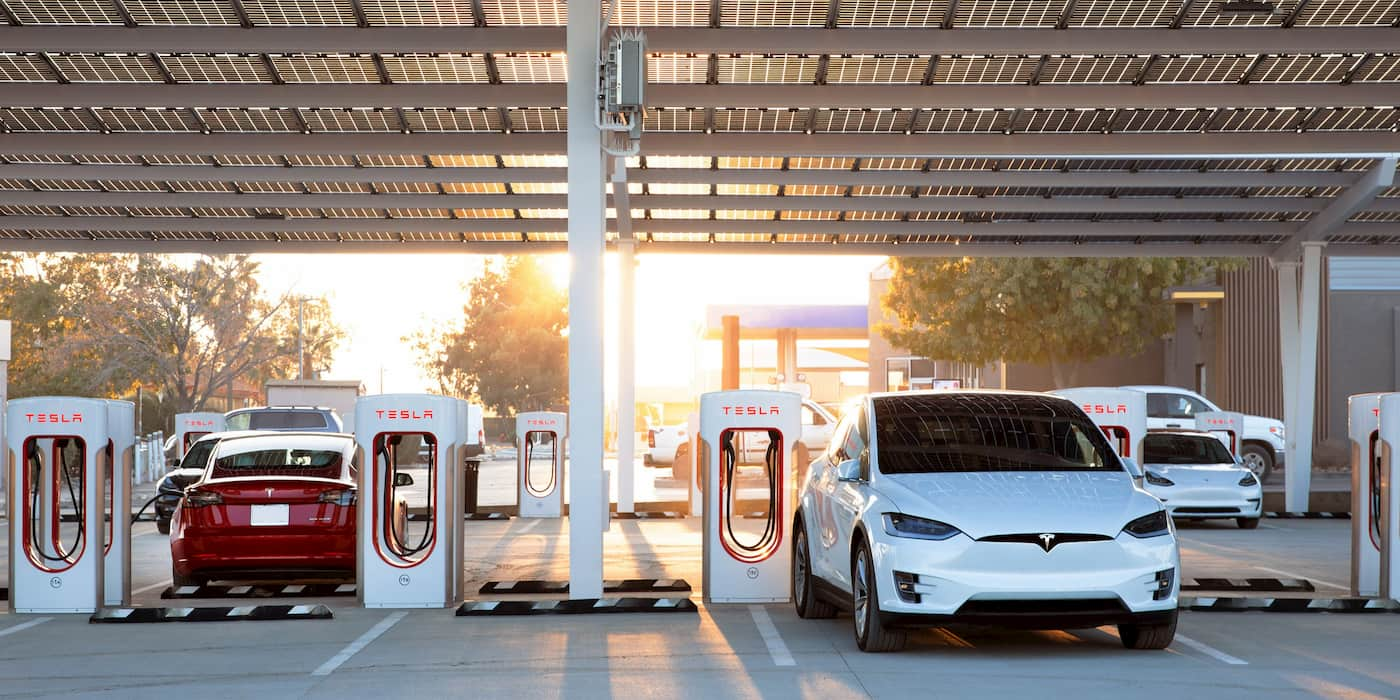
In a move that has sent shockwaves through the electric vehicle community and the stock market alike, Tesla has officially broken cover on its most ambitious infrastructure project to date. Deep in the heart of Arizona, the tech giant has filed permit applications that confirm what many had only whispered in the shadows: the era of the autonomous Robotaxi is no longer a distant dream—it is being built in concrete and steel right now. These are not your average Superchargers; these are the first-ever facilities dedicated exclusively to Tesla’s self-driving fleet.
Exclusive V4 Technology: No Humans Allowed
According to municipal records discovered in Chandler and Mesa, Tesla is deploying its latest V4 Supercharger technology. However, there is a catch that has public Tesla owners fuming. These stalls are strictly off-limits to the general public. For the first time in the company’s history, the Supercharger network is being segmented, creating a private tier of infrastructure designed solely to service the autonomous ‘Cybercab’ or Robotaxi fleet. This move signals a massive shift in Elon Musk’s strategy, prioritizing the lucrative ride-hailing market over the individual consumer experience.
The technical specifications of these V4 stalls suggest high-speed throughput designed for rapid turnaround. Since autonomous vehicles don’t need a driver to plug them in, these stations are likely equipped with automated charging arms or wireless inductive systems that have been teased in recent patent filings. This ensures that the Robotaxi fleet can operate 24/7 with minimal downtime, effectively turning these Arizona sites into the world’s first fully autonomous refueling hubs.
The End of Public Supercharging Dominance?
This development raises a chilling question for the millions of current Tesla owners: Is the public Supercharger network being sidelined? For years, Tesla’s greatest competitive advantage was its ubiquitous charging network. Now, as the company pivots toward an AI-first future, the concern is that prime real estate and power grid capacity will be diverted to these private ‘Robotaxi-only’ zones. If Chandler and Mesa are the testing grounds, it is only a matter of time before we see similar ‘keep out’ signs appearing in major hubs like Los Angeles, New York, and London.
Industry analysts are calling this the ‘Great Pivot.’ By controlling both the vehicle and the charging infrastructure, Tesla is creating a closed-loop ecosystem that competitors like Uber and Waymo will find nearly impossible to replicate. The vertical integration here is staggering. To see how this compares to other industry moves, check out the original reporting on Tesla’s Arizona filings. The implications for the future of urban transport are massive, potentially rendering traditional car ownership obsolete within the decade.
Furthermore, the choice of Arizona is no coincidence. The state has long been a regulatory haven for autonomous vehicle testing, with Waymo already operating a robust service there. Tesla is now planting its flag, ready to go head-to-head with the competition using a superior, private infrastructure network. The battle for the future of transportation has just shifted into high gear, and Tesla is making sure it has the power—literally—to win.
- Exclusive V4 Supercharger access for autonomous fleets only.
- Strategic placement in Chandler and Mesa, Arizona.
- Automated charging capabilities suspected for driverless operation.
- A massive blow to public access as resources shift to private fleets.
In conclusion, the ‘No Humans Allowed’ sign is being metaphorically hung at the gates of these new charging hubs. While Elon Musk has promised a future of cheap, autonomous travel, the path to that future involves a radical restructuring of how we perceive public infrastructure. If you are a Tesla owner today, you might want to look closely at these developments, as your favorite charging spot might soon be reserved for a car that doesn’t have a steering wheel—or a driver.