The era of unrestricted speed on two wheels is coming to a screeching halt in the North Star State. A new, controversial bill is making its way through the Minnesota legislature, and it has electric bike enthusiasts and manufacturers alike shaking in their boots. For years, riders have enjoyed a legal ‘gray area’ where high-powered electric machines—often masquerading as simple bicycles—have dominated trails and streets without the need for registration, insurance, or a motorcycle license. But those days are officially numbered as lawmakers crack down on what they call a public safety crisis.
The End of the Wild West: Minnesota’s War on E-Bikes
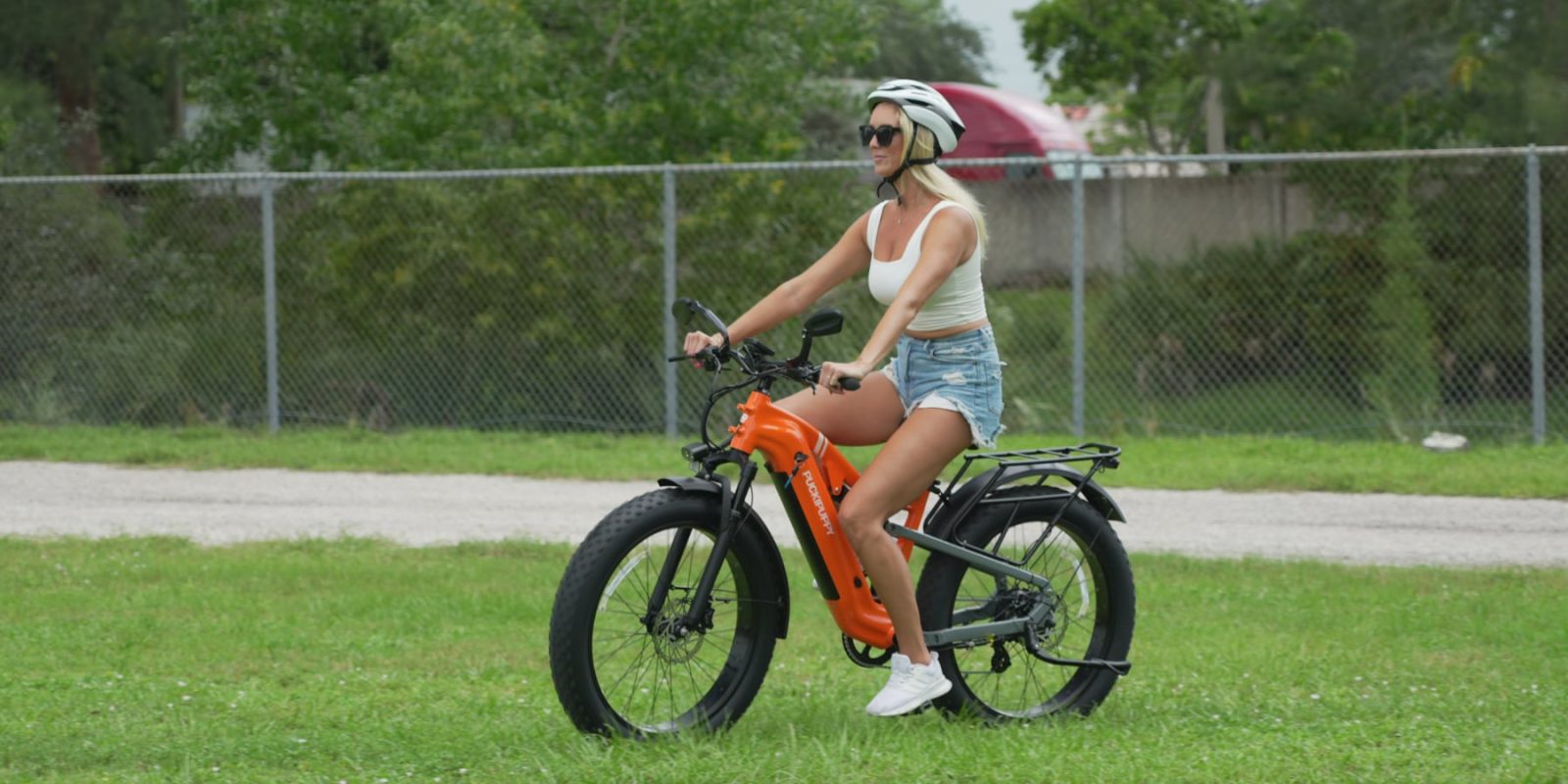
Legislators are arguing that the current micromobility landscape is a chaotic mess of unregulated power. We are seeing machines that can reach speeds of 40 or 50 miles per hour being sold as ‘class-exempt’ e-bikes, allowing teenagers to weave through traffic without a helmet or a single day of training. This new bill aims to categorize these high-powered two-wheelers exactly where many safety advocates believe they belong: in the motorcycle category. This is a massive shift that could effectively ban these vehicles from the very paths they were built to dominate.
The proposed law is not just a minor tweak; it represents a fundamental shift in how the state views electric propulsion. If passed, any electric bike capable of exceeding certain wattage or speed thresholds will no longer be allowed on traditional bike paths. This move is designed to protect pedestrians and standard cyclists, but it leaves owners of popular ‘hyper-bikes’ in a difficult position. Will they need to register these as mopeds? Will they be forced off the roads entirely? The uncertainty is fueling a massive debate across the state that shows no signs of slowing down.
The Loophole Closing on High-Powered Motors
For too long, manufacturers have utilized a loophole in federal and state definitions to sell what are essentially electric motorcycles without the red tape. These bikes often feature ‘off-road modes’ that unlock speeds far beyond the legal 20 or 28 mph limits of Class 1, 2, and 3 e-bikes. The new Minnesota bill specifically targets these software-unlocked capabilities, ensuring that a bike’s potential speed is treated the same as its advertised speed.
The impact will be felt by several groups across the cycling community:
- Commuters who rely on high-speed e-bikes to keep up with urban traffic and reduce travel time.
- Delivery workers who use modified bikes for maximum efficiency in congested city zones.
- Recreational riders who enjoy the power and torque of high-wattage mid-drive motors.
- Local retailers who currently have inventory that might become legally ambiguous or unsellable overnight.
Industry experts warn that this could stifle innovation in the green energy sector. According to a recent report on transportation technology, over-regulation often leads to a decrease in adoption of green transit alternatives. If the bar for entry is raised too high, people might just return to their gas-guzzling cars rather than navigating a complex licensing process for an electric bike.
Safety Revolution or Regulatory Nightmare?
Proponents of the bill argue that this is a necessary step for public safety. ‘We cannot have 100-pound machines traveling at highway speeds on paths where families walk their dogs,’ one advocate stated during a recent hearing. The increase in accidents involving high-speed e-bikes has prompted hospitals to call for stricter oversight. From traumatic brain injuries to high-speed collisions with pedestrians, the data suggests that these bikes are more dangerous than the general public realizes.
However, critics argue that the language of the bill is too broad and lacks technical clarity. It risks sweeping up legitimate commuters who use higher-end Class 3 bikes that are perfectly safe when operated responsibly. The complexity of the new rules could create a ‘regulatory nightmare’ where police officers are forced to check motor wattages and controller settings on the side of the road—a task they are neither trained for nor interested in performing. As the bill moves toward a final vote, the e-bike community is mobilizing. Petitions are circulating, and local bike shops are hosting town halls to educate riders on their rights. Whether this bill serves as a model for the rest of the country or a cautionary tale of government overreach remains to be seen. One thing is certain: the era of the ‘gray area’ e-bike is coming to a close, and the landscape of American micromobility will never be the same.