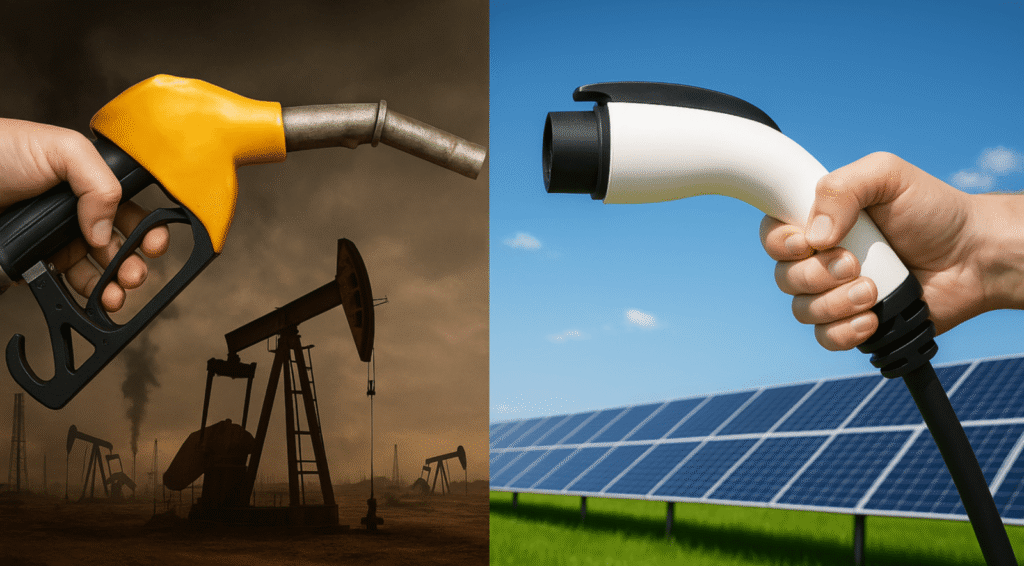
The global energy landscape is currently standing on the precipice of a massive transformation, one that is being fueled not just by environmental concerns, but by the sheer, unadulterated pain of rising costs at the gas station. For decades, the internal combustion engine has reigned supreme, defended by a legion of enthusiasts who claimed they would never, under any circumstances, switch to an electric vehicle. However, as the economic reality shifts, even the most hardened anti-EV hysterics are starting to sweat. We are witnessing a historic moment where the wallet is finally starting to speak louder than the roar of a V8 engine. The tension at the pump is reaching a boiling point, and the data suggests a radical shift is imminent.
The Breaking Point: When Gas Prices Crush Resistance
It is no secret that the cost of fossil fuels has been volatile. From geopolitical tensions to supply chain disruptions, the price per gallon has become a daily source of anxiety for millions of commuters. A recent, deep-dive survey conducted by industry experts at Electrek has shed light on the exact threshold of pain required to trigger a mass exodus from traditional vehicles. This survey, which garnered thousands of responses, reveals a startling consensus among the public: there is indeed a magic number that makes the internal combustion engine obsolete. This is not just a gradual change; it is a forced migration driven by financial necessity.
The psychology of car ownership is changing at a breakneck pace. In the past, the decision to buy a car was based on performance, brand loyalty, and the familiar convenience of gas stations on every corner. Today, that convenience is being rapidly overshadowed by the sticker shock at the pump. We are seeing a paradigm shift where the total cost of ownership is becoming the primary metric for the average consumer. The question is no longer if people will switch to electric, but when the price of gas becomes so unbearable that they have no other choice but to embrace the plug-in revolution.
Shocking Survey Results Revealed
The data from the survey indicates that for many, the tipping point is much lower than previously expected by market analysts. While some die-hard petrolheads claim they will drive gas cars until the day they die, the reality is that economic pressure is a powerful motivator that eventually overrides nostalgia and habit. According to the respondents, the transition isn’t just about saving the planet; it is fundamentally about financial survival in an era of inflating energy costs. Here are some of the key takeaways from the community feedback:
- A significant percentage of drivers would switch immediately if gas hit $6.00 per gallon.
- The psychological barrier of $10.00 per gallon would effectively end the era of gas dominance for 90% of the population.
- Incentives for EVs are becoming more attractive as gas prices remain unstable and unpredictable.
- Fear of being stranded by a lack of chargers is being replaced by the fear of being bankrupted by fuel costs.
This data highlights a critical vulnerability in the traditional automotive market. The reliance on a single, volatile commodity for transportation is a risk that more and more people are unwilling to take as they look toward their financial future. As the price of gas climbs, the value proposition of electric vehicles—with their lower maintenance costs and significantly cheaper refueling at home—becomes impossible to ignore even for the loudest skeptics.
The Future of Infrastructure and Charging
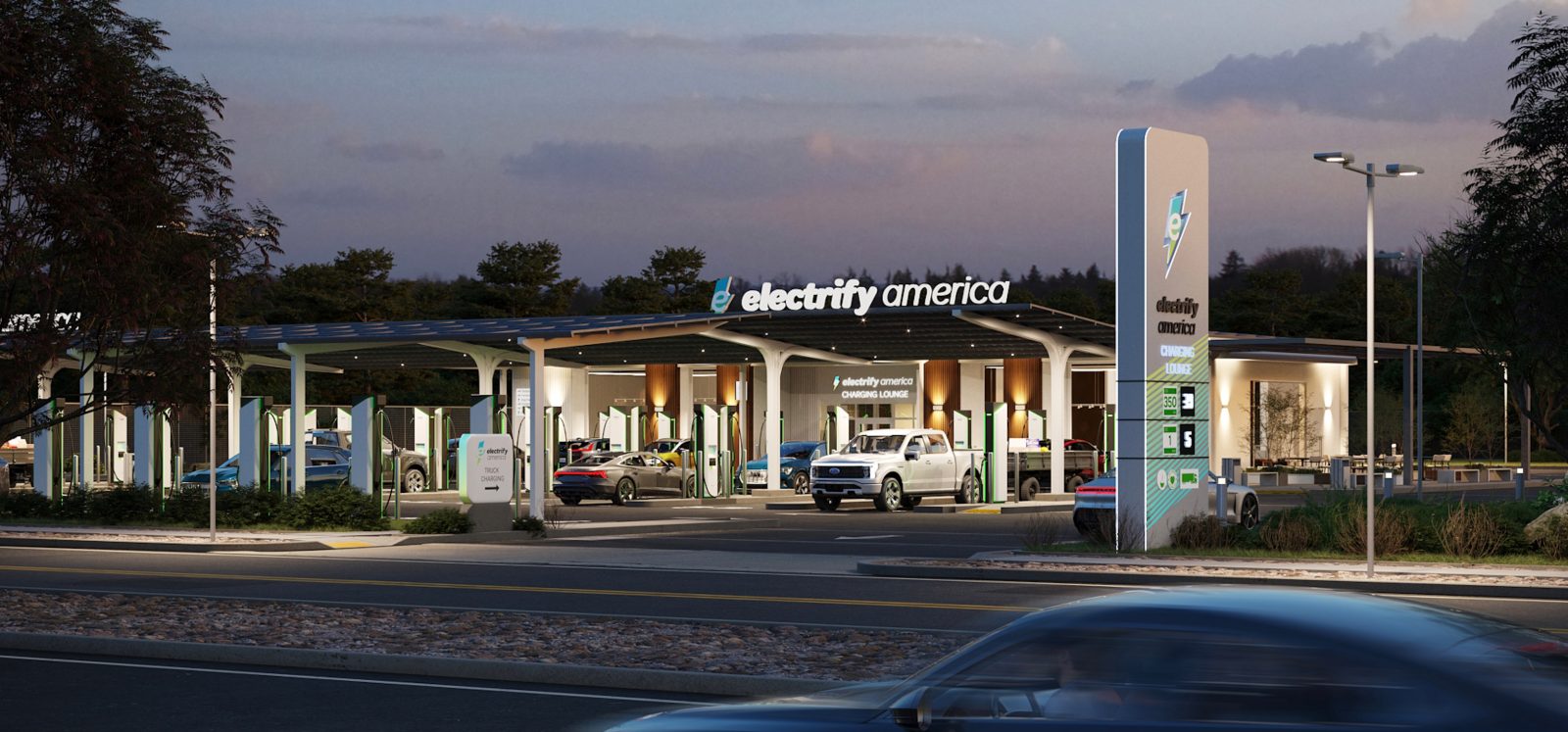
As the transition accelerates, the focus is shifting toward the infrastructure needed to support a world full of electric cars. Companies like Electrify America are rapidly expanding their networks, ensuring that high-speed charging is available to everyone, regardless of where they live or work. This expansion is crucial because even if gas prices hit record highs, the adoption of EVs depends on the availability of a reliable charging ecosystem. If the infrastructure isn’t there, the pain at the pump will simply result in a paralyzed public. However, the current momentum suggests that the infrastructure is finally catching up to the demand.
We are entering a new era of mobility that will be defined by efficiency and electricity. The sensationalism surrounding the death of gas is rooted in a very real economic trend. Governments are pushing for cleaner air, but the market is being pushed by the sheer cost of staying the same. Innovation in battery technology is lowering the entry price of EVs, while the price of gasoline continues its unpredictable climb. The convergence of these two factors is creating a perfect storm that will reshape our cities, our highways, and our wallets forever. Whether you love EVs or hate them, the financial reality is undeniable: the age of the gas guzzler is coming to an end, and it is the price tag at the pump that is pulling the trigger on the old guard.