
Ohio is currently making headlines as it accelerates its commitment to the green energy transition. By announcing a massive $51 million investment, the state is set to add 64 more high-speed EV charging sites to its already impressive network. This move comes as part of the National Electric Vehicle Infrastructure (NEVI) program, a federal initiative designed to create a seamless network of chargers across the United States. Ohio’s proactive approach has positioned it as a frontrunner in this national race, proving that the heart of the Midwest is ready for the electric future.
The Massive $51 Million Investment Reshaping Ohio’s Roads
The scale of this project cannot be overstated. With $51 million on the table, Ohio is not just adding a few plugs here and there; it is fundamentally altering the infrastructure of its highways. These 64 new sites will provide high-speed, reliable charging for thousands of drivers, significantly reducing range anxiety—the fear that an electric vehicle will run out of power before reaching a destination. This investment is a clear signal to both car manufacturers and consumers: Ohio is open for business, and that business is electric.
The funding, sourced through the NEVI program, focuses on Alternative Fuel Corridors. These are specific stretches of highway where charging infrastructure is most needed to support long-distance travel. By prioritizing these areas, Ohio ensures that EV owners can travel across the state with the same confidence as traditional gasoline vehicle owners. The program mandates that these stations must be spaced no more than 50 miles apart and located within one mile of the highway, ensuring maximum convenience for all travelers. Furthermore, each site must be equipped with at least four ports capable of simultaneous 150 kW charging, meaning drivers won’t have to wait hours to get back on the road.
Why Ohio Is Winning the National EV Infrastructure Race
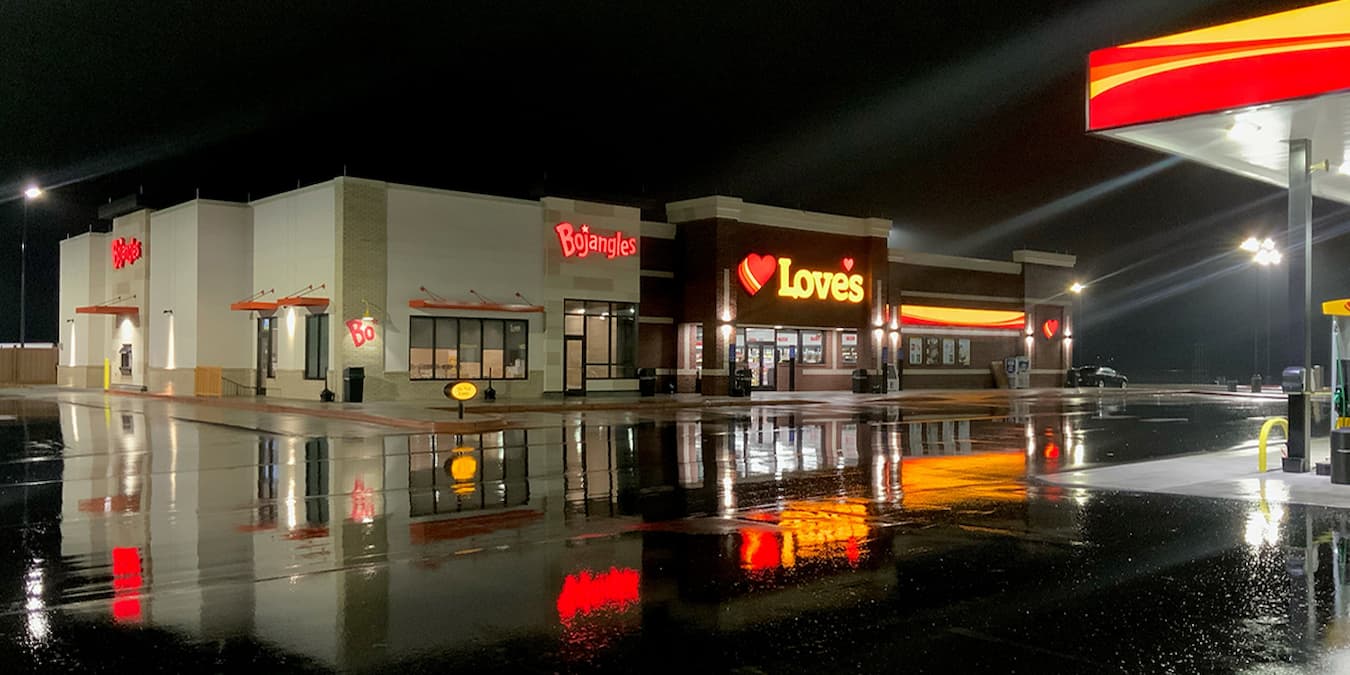
While many states are still in the planning phases of their NEVI buildouts, Ohio is already moving into the implementation stage. This efficiency is a testament to the state’s logistical prowess and its commitment to modernization. By securing these funds and selecting sites quickly, Ohio is attracting further private investment from various sectors. Businesses like Love’s Travel Stops and other major convenience store chains are partnering with the state to host these stations, creating a symbiotic relationship between public funding and private enterprise. This model serves as a blueprint for other states struggling to get their infrastructure off the ground.
The impact of this buildout goes beyond just the environment. It is a massive economic engine. The construction and maintenance of 64 new high-speed charging sites create high-tech jobs and drive foot traffic to local businesses. When a driver stops for 20 to 30 minutes to charge their car, they are likely to buy a coffee, eat a meal, or shop at the nearby convenience store. This shift in consumer behavior is a goldmine for retailers located along Ohio’s major thoroughfares. It transforms a simple pit stop into an economic opportunity for local communities.
The Strategic Placement of New Charging Hubs
The selection of these 64 sites was no accident. Each location was chosen based on its proximity to high-traffic areas and its ability to handle the massive electrical load required for DC fast charging. These are not your standard home chargers; they are powerful units capable of delivering hundreds of miles of range in under an hour. Many of these sites will be located at established travel centers, providing drivers with premium amenities like restrooms, food, and secure parking while they wait. This strategic placement ensures that the transition to electric mobility is as painless as possible for the average consumer.
As the world shifts away from internal combustion engines, states that fail to adapt will be left behind in the literal and figurative dust. Ohio, however, is leaning into the change with unprecedented vigor. This latest round of funding is just one piece of a much larger puzzle aimed at making the Buckeye State the premier destination for EV drivers in the United States. With a robust network of chargers, competitive electricity rates, and a growing market of EV owners, Ohio is setting the standard for what a modern transportation network should look like. For more updates on the latest in transportation technology and sustainable infrastructure, you can visit Electrek, the leading source for electric vehicle news. The future is electric, and thanks to this $51 million investment, Ohio is leading the way with bold action and vision.