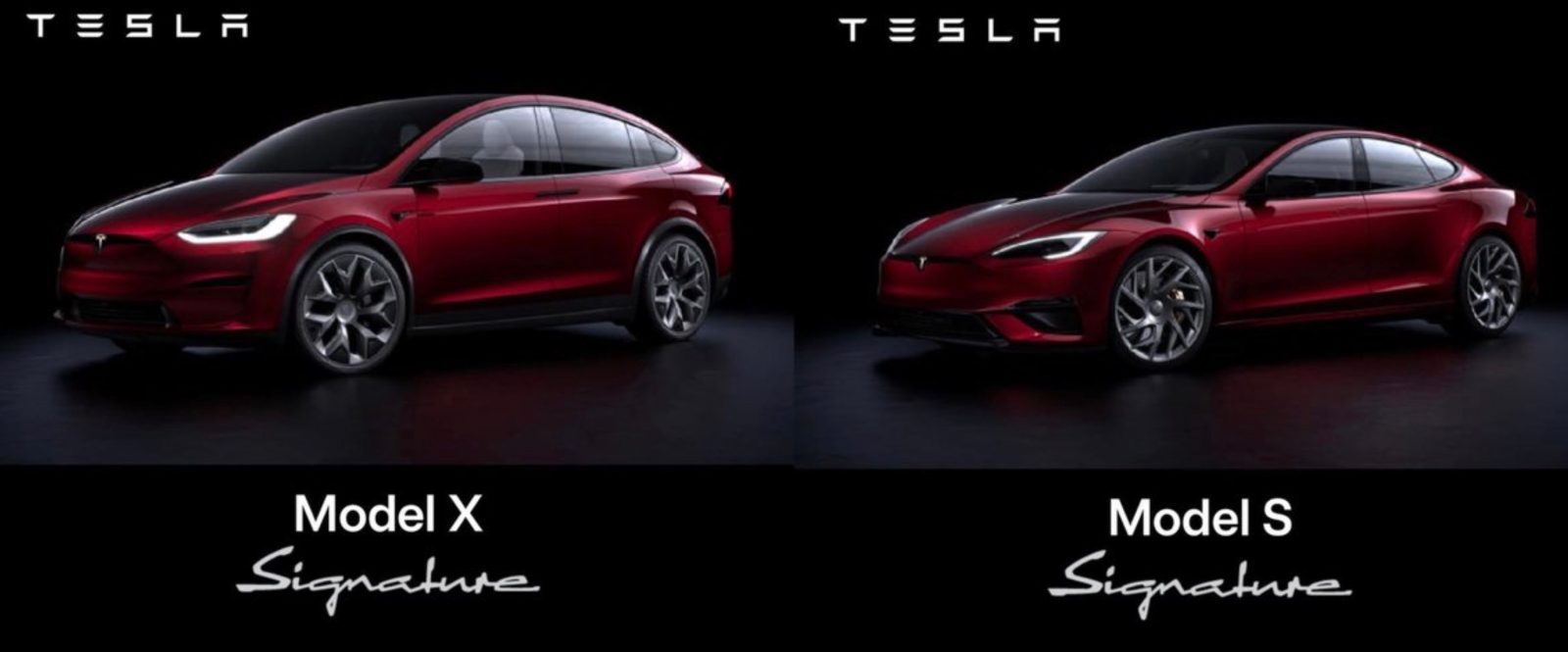
Tesla is making headlines again, but this time it isn’t for a record-breaking delivery quarter or a new software update. Instead, the EV giant is tightening its grip on owners of the exclusive Signature Edition Model S and Model X. If you were lucky enough to secure one of these limited-run beauties, you might want to read the fine print before you even think about putting it on the used market. Tesla is officially bringing back the ‘No Resale Agreement,’ a legal document that could cost you $50,000 or more just for selling your own property.
Tesla’s Shocking $50,000 Trap: The Return of the No Resale Clause
Elon Musk’s company is known for its unconventional approach to automotive retail, but this latest move has sent shockwaves through the enthusiast community. The agreement specifically targets the ‘Signature Edition’ models, which are billed as the final, ultra-premium versions of the current Model S and Model X platforms. According to leaked documents shared with industry insiders, buyers must sign a contract promising not to sell their vehicle for at least one year. If they break this promise? Tesla reserves the right to sue for ‘liquidated damages’ amounting to $50,000 or the full resale value of the car—whichever is higher.
This isn’t just a slap on the wrist. It’s a full-blown legal threat designed to stop flippers from profiting off the scarcity of these final editions. For many, this raises a massive red flag regarding consumer rights. Once you pay over six figures for a car, do you really own it? Or are you just a temporary custodian under Tesla’s thumb? The company has a history of controlling its ecosystem, from software locks to proprietary charging, but controlling the title of the vehicle is a new level of corporate oversight.
Why You Can’t Sell Your Own Car
The motivation behind this draconian policy is clear: Tesla wants to control the secondary market. In the past, high-demand vehicles have been flipped for massive profits on sites like Bring a Trailer or Cars & Bids within days of delivery. Tesla argues that this practice hurts genuine enthusiasts and inflates prices artificially. However, the heavy-handed nature of a $50,000 penalty feels like a massive overreach to many legal experts. You can read more about the evolving landscape of automotive industry news to see how other manufacturers are handling similar issues.
Imagine a situation where an owner faces a sudden financial crisis or needs a different type of vehicle for a growing family. Under this agreement, they are essentially locked into a depreciating asset unless they beg Tesla for permission to sell. Tesla’s ‘No Resale Agreement’ includes several specific and restrictive clauses:
- A mandatory one-year holding period from the date of delivery.
- A $50,000 minimum penalty for unauthorized sales or transfers.
- A permanent ban from purchasing future Tesla vehicles if the agreement is breached.
- An option for Tesla to buy the car back at a depreciated price if they approve the sale.
The Cybertruck Legacy Lives On
History repeats itself in the world of Tesla. This isn’t the first time the company has tried to handcuff its customers. We saw the exact same strategy deployed with the Cybertruck launch in 2023. Initially, the Cybertruck agreement featured the same $50,000 liquidated damages clause. After immense public backlash and several high-profile instances of people being ‘blacklisted’ from Tesla services, the company quietly backed down and removed the clause for standard models. It seems that was only a temporary retreat.
Why is it back now? The ‘Signature Edition’ represents a ‘Last Run’ of these specific chassis designs before a major overhaul. With extremely limited production numbers, the potential for a ‘flipping frenzy’ is higher than ever. Tesla is clearly betting that the exclusivity of these cars will outweigh the negative PR of the resale restriction. But for the average consumer, this sets a dangerous precedent. If Tesla can dictate when you sell your car, what’s next? Will other manufacturers like Ford or GM follow suit to ‘protect’ their brands from the secondary market? The legal battleground is set, and the first person to flip a Signature Edition might just find themselves in a multi-million dollar lawsuit.