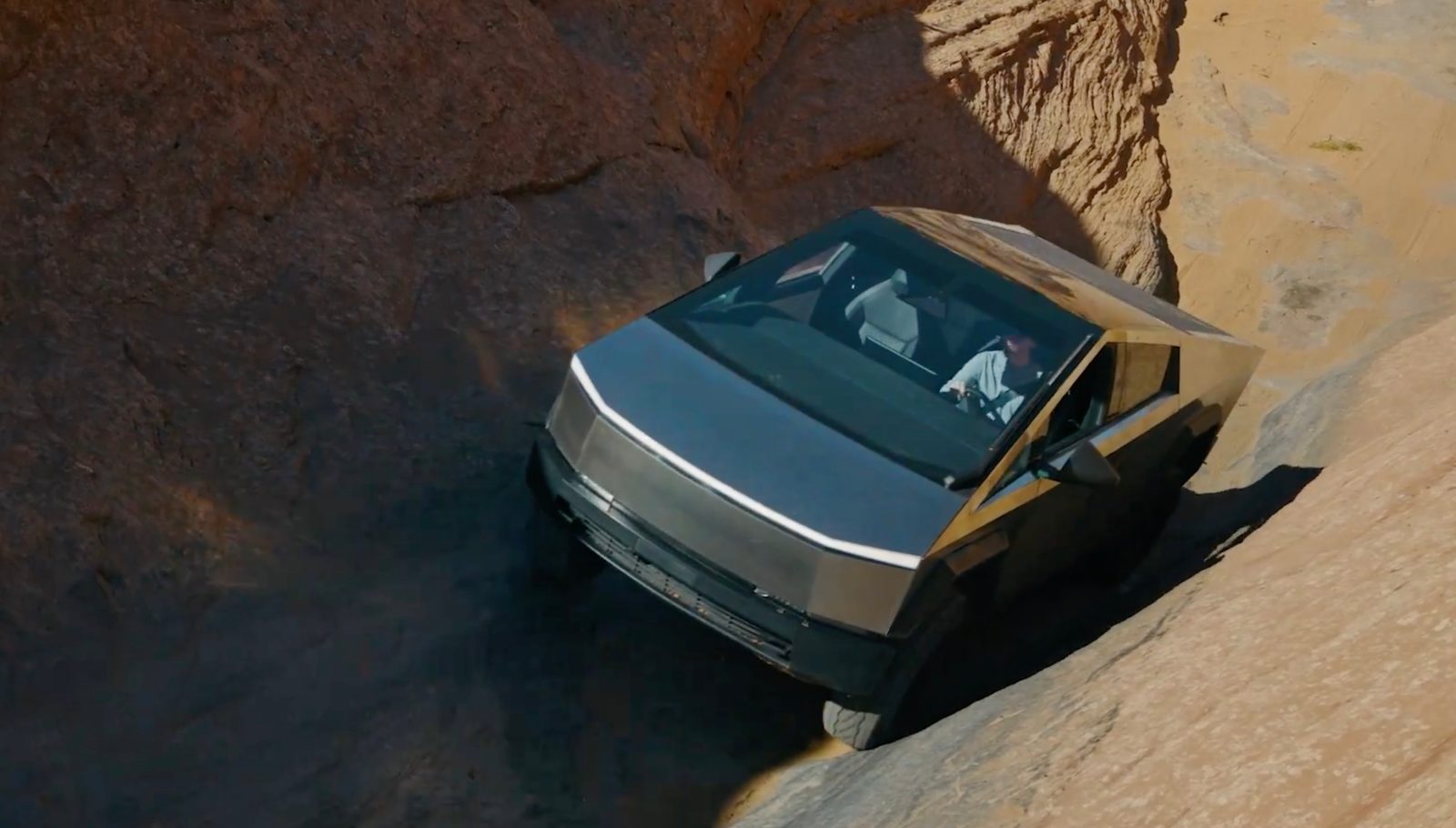
The automotive world was rocked this morning as new registration data peeled back the curtain on the Tesla Cybertruck’s supposedly record-breaking quarter. For months, industry analysts and skeptics alike have wondered how the polarizing, stainless-steel behemoth maintained its momentum in an increasingly cooling electric vehicle market. Now, the truth has finally emerged, and it is far more scandalous than anyone anticipated. It appears that the ‘revolution’ is being manufactured from within the Musk empire itself.
The Shocking Reality Behind Cybertruck Delivery Numbers
Data recently confirmed by industry watchdogs reveals a startling trend: Tesla’s Cybertruck sales figures are being heavily propped up by Elon Musk’s other corporate entities. While the public was led to believe that consumer demand was reaching a fever pitch, the registration numbers tell a story of internal redistribution rather than organic market growth. Specifically, SpaceX has emerged as the primary ‘customer’ keeping the Cybertruck assembly lines moving at full speed. This revelation raises serious questions about the transparency of Tesla’s reporting and the actual viability of the truck in the open market.
According to the latest filings, SpaceX alone was responsible for the purchase of 1,279 Cybertrucks in the fourth quarter of 2025. To put that into perspective, that single inter-company transaction accounted for a massive 18% of every Cybertruck registered in the United States during that period. Without the intervention of SpaceX’s checkbook, the narrative surrounding Tesla’s success would be drastically different. Instead of a triumphant quarter, the company would be staring down the barrel of a public relations nightmare.
SpaceX to the Rescue: A Billionaire Shell Game?
The mathematical gymnastics required to maintain Tesla’s stock price are becoming increasingly transparent. If we remove these inter-company purchases from the equation, Cybertruck registrations would have plummeted by a staggering 51% year-over-year. This is a far cry from the growth story that investors have been sold. This tactic, while technically legal, borders on a shell game where one hand of the Musk ecosystem washes the other to ensure the appearance of infinite demand.
Critics argue that using SpaceX funds to bolster Tesla’s delivery stats is a desperate move to stave off the reality of market saturation. The Cybertruck, with its high price point and unconventional design, was always expected to be a niche product, but these numbers suggest that the niche might be even smaller than originally feared. As reported by Electrek, this trend has been bubbling under the surface for over six months, but the Q4 data is the smoking gun that proves the scale of the manipulation.
Why This Matters for Tesla Shareholders
For the average investor, this data is a massive red flag. When a company relies on its sister organizations to buy up nearly a fifth of its inventory, it suggests that the general public is moving on. The EV market is currently flooded with more traditional and practical options from manufacturers like Ford and Rivian. If the Cybertruck cannot stand on its own two feet without a billionaire’s intervention, what does that mean for the long-term sustainability of the platform?
- Internal demand accounts for 18% of total Q4 registrations.
- Organic consumer interest shows a 51% year-over-year decline.
- SpaceX’s massive fleet purchase masked a significant sales slump.
- Market saturation for high-end electric trucks may have already been reached.
As the dust settles on this report, all eyes will be on Tesla’s next earnings call. Will Elon Musk address the SpaceX-sized hole in his sales strategy, or will the company continue to lean on internal synergies to paint a rosy picture for Wall Street? One thing is certain: the Cybertruck’s path to dominance is looking more like a calculated corporate maneuver than a grassroots revolution. The stainless steel dream might just be a house of cards held together by SpaceX rocket fuel.