
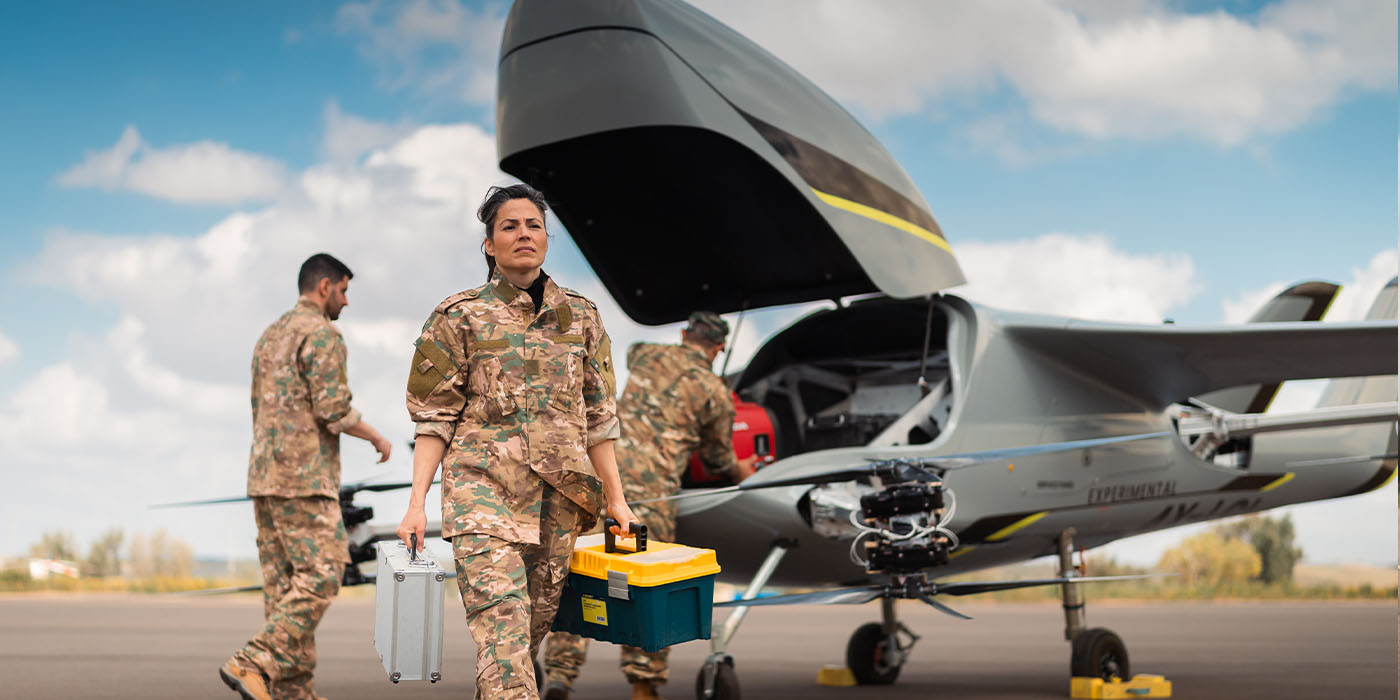
The sky is no longer the limit; it is the new highway for global commerce. This morning, the world of logistics was turned upside down as AIR, a pioneer in the electric vertical takeoff and landing space, announced a milestone that sounds like it was ripped straight from a science fiction blockbuster. The company has successfully completed the first flight of its heavy-lift cargo aircraft, a machine so massive it ranks as one of the largest unmanned eVTOLs in existence. This is not just a test flight; it is a declaration of war against traditional shipping methods.
The Dawn of the Heavy-Lift Aerial Revolution
Imagine a world where the roar of diesel trucks is replaced by the silent, efficient hum of electric rotors. That world just got a lot closer. AIR’s latest achievement is not just a technical win; it is a shot across the bow for every traditional logistics company on the planet. For years, the industry has talked about ‘last-mile delivery,’ but AIR is aiming for the ‘heavy-haul’ market, proving that electricity can move more than just small parcels. This massive drone is designed to carry substantial weight over significant distances, bypassing traffic jams, crumbling infrastructure, and human error.
The successful test flight marks a pivotal moment for the company, which has been working tirelessly to scale its proprietary flight technology. By moving from concept to a fully functional heavy-lift prototype, AIR has demonstrated that their platform is stable, scalable, and ready for the rigors of commercial use. The aviation community is buzzing with the implications: if you can move heavy payloads through the air without a pilot, the entire cost structure of global shipping is about to collapse and rebuild itself in a way that favors speed and sustainability over brute force and fossil fuels.
Breaking Records in the Unmanned Skies
What makes this specific eVTOL cargo drone so special? It is the sheer scale. Most drones we see today are toys or small delivery units meant for a single pizza or a bottle of medicine. AIR has gone in the opposite direction. This heavy-lift variant is built for the industrial sector, designed to transport heavy equipment, medical supplies in bulk, or even emergency relief gear to areas inaccessible by road. The engineering required to lift such a payload vertically and then transition into efficient forward flight is monumental, requiring advanced flight algorithms and high-density battery packs.
The test flight showcased the drone’s ability to handle complex maneuvers while maintaining the structural integrity necessary for heavy-duty operations. Experts suggest that the integration of eVTOL technology into the supply chain could reduce carbon emissions by up to 80 percent compared to traditional trucking and short-haul air freight. It is not just about speed; it is about a sustainable, automated future that does not rely on the limitations of ground-based transport.
Why Ground Logistics Are Officially Obsolete
The writing is on the wall: the ground is for people, and the sky is for cargo. With the rise of autonomous flight controllers and advanced battery density, the barriers to entry for aerial logistics are falling faster than anyone predicted. AIR’s milestone proves that we are no longer waiting for the technology; it is here, it is functional, and it is terrifyingly efficient. The next phase will involve navigating regulatory hurdles and airspace management, but the hardware is ready to work right now.
- Unprecedented payload capacity for an unmanned cargo drone.
- Zero-emission electric propulsion systems for green shipping.
- Autonomous flight capabilities reducing human overhead and risk.
- Ability to reach remote or disaster-stricken areas without roads.
- Reduced maintenance costs compared to traditional combustion aircraft.
As we look toward the end of the decade, the sight of these ‘flying warehouses’ will become commonplace. Companies that fail to adapt to this airborne shift will be left in the dust of the old world. AIR is currently leading the pack, showing that the future of freight is not on four wheels; it is on high-torque electric rotors. The era of the eVTOL cargo drone has officially begun, and there is no turning back from this skyward trajectory. We are witnessing the birth of a new era in human transportation where the logistics of the physical world finally catch up to the speed of the digital world.